
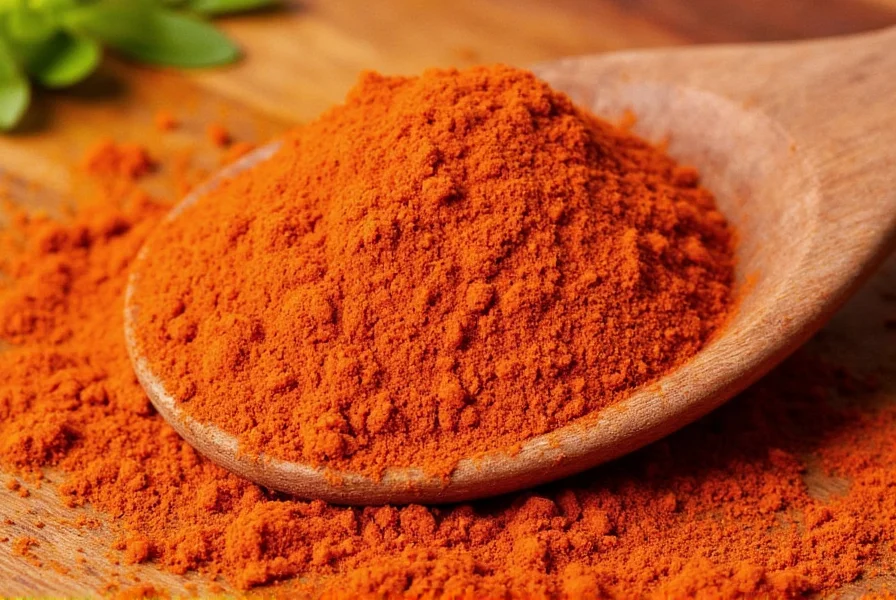
Spice Up Your Life: 7 Must-Know Mexican Chili Powder Secrets That’ll Change How You Cook Forever!
When it comes to unlocking flavor in the kitchen, few ingredients pack as much punch—or versatility—as Mexican chili powder. From smoky ancho to fiery arbol and earthy pasilla, these spice blends aren’t just for tacos anymore. Whether you're a home cook looking to up your weeknight game or a pro chef chasing complexity in your sauces, Mexican chili powders are your secret weapon.
In this article, we’ll explore everything from the origins of Mexican chili powder to how to use it like a pro, including our must-have buying guide that will help you pick the perfect jar for your pantry.
Table of Contents
- A Flavorful History of Mexican Chili Powder
- Types of Mexican Chili Powder and What They Bring to the Table
- 5 Surprising Ways to Use Mexican Chili Powder Beyond Tacos
- Buying Guide: How to Choose the Right Mexican Chili Powder
- Pro Tips for Storing and Using Mexican Chili Powder
- Comparison Table: Top Mexican Chili Powders Side by Side
- Final Thoughts: Make This Spice a Staple in Your Kitchen
A Flavorful History of Mexican Chili Powder
Mexican chili powder is far more than just a grocery store spice aisle staple—it’s a culinary cornerstone rooted deeply in Mexican culture and history. Long before Spanish colonization, indigenous peoples like the Aztecs and Mayans were drying, roasting, and grinding chilies into powders used for both food and medicinal purposes.
The modern blend known today as Mexican chili powder typically includes a mix of dried chilies (like ancho, pasilla, and chipotle), along with spices like cumin, garlic, and oregano. While store-bought versions might be less complex, traditional homemade mixes vary regionally, each bringing its own unique heat profile and depth of flavor.
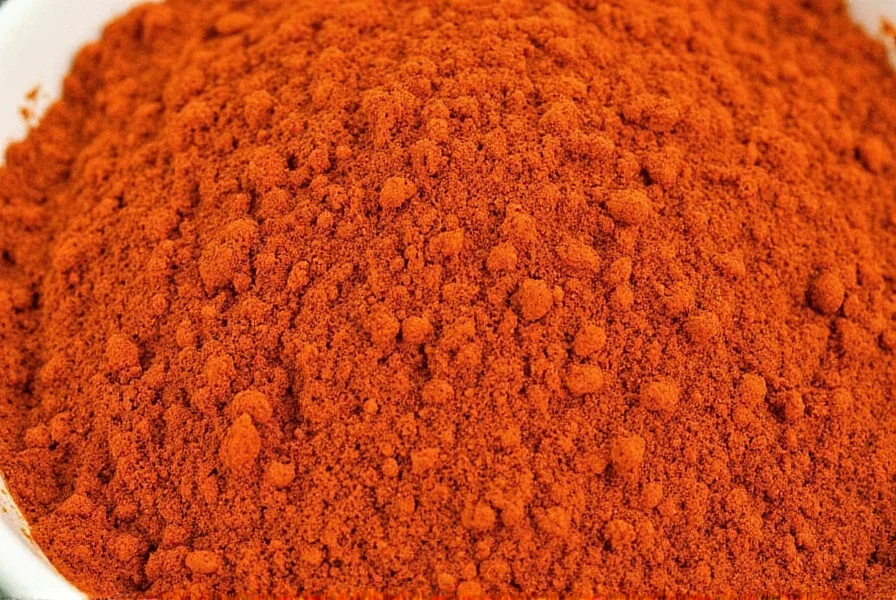
Types of Mexican Chili Powder and What They Bring to the Table
There’s no one-size-fits-all when it comes to Mexican chili powder. Here’s a breakdown of the most popular types you’ll encounter:
- Ancho Chile Powder: Made from dried poblano peppers, it offers a sweet, fruity flavor with mild heat—great for mole sauces and soups.
- Pasilla Negro: Rich and slightly bitter, with hints of raisin and licorice. Often used in salsas and stews.
- Guajillo Chile Powder: Balanced heat and tart berry notes. Perfect for marinades and red sauces.
- Chipotle Powder: Smoked and dried jalapeños—adds intense smokiness and moderate heat. Ideal for meats and rubs.
- Arbol Chile Powder: Hot and bright, often used in oil-based sauces and salsas for a fiery kick.
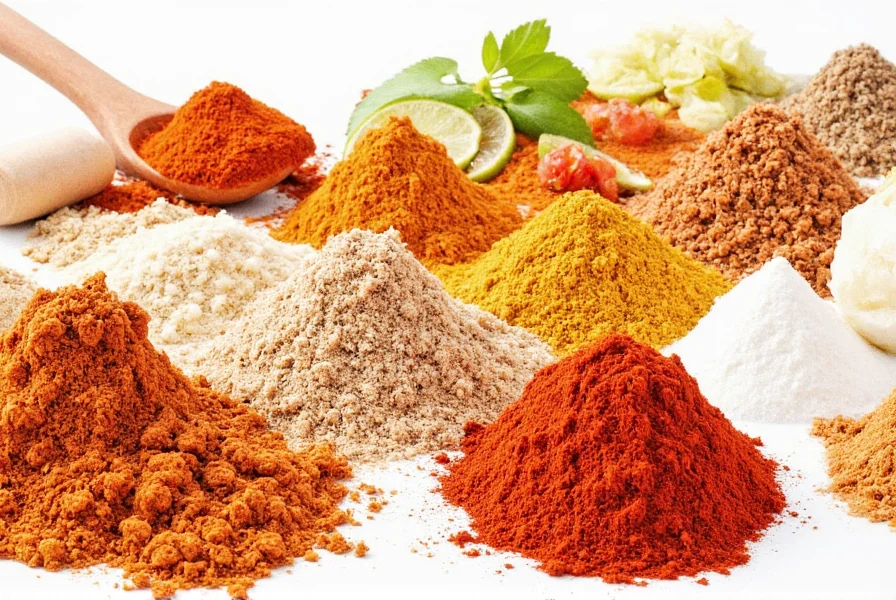
5 Surprising Ways to Use Mexican Chili Powder Beyond Tacos
While Mexican chili powder is famously used in tacos and enchiladas, don’t limit yourself! Here are five creative ways to bring this bold flavor into your everyday meals:
- Season Popcorn: A sprinkle of ancho or guajillo adds depth and a touch of warmth to buttered popcorn.
- Spice Up Chocolate: Mix a pinch into dark chocolate desserts for a spicy-sweet twist that’s pure magic.
- Enhance Grilled Cheese: Blend with mayo or butter for a smoky kick in your grilled cheese sandwiches.
- Boost Roasted Veggies: Sprinkle over roasted squash, carrots, or cauliflower for a rich, smoky finish.
- Upgrade Baked Goods: Try adding chipotle powder to cornbread or savory muffins for a spicy surprise.
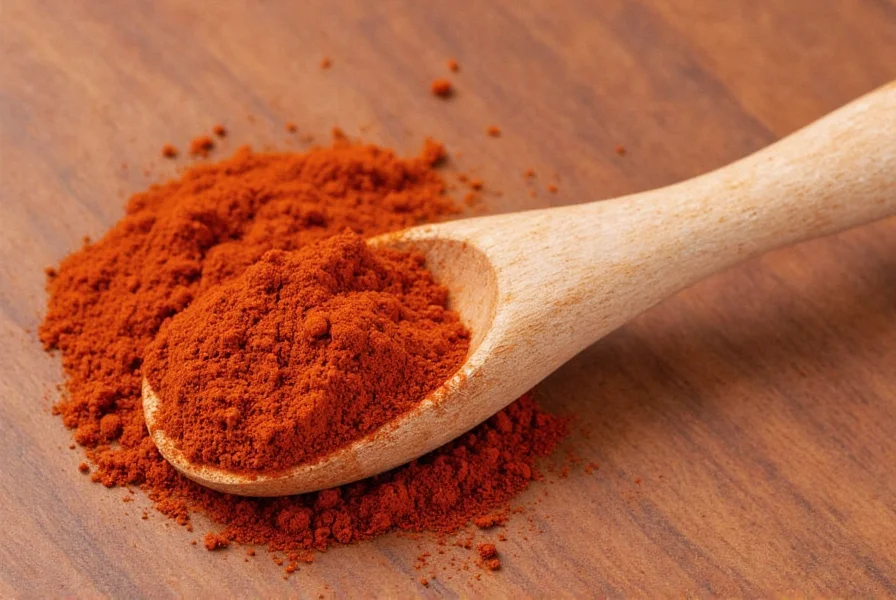
Buying Guide: How to Choose the Right Mexican Chili Powder
With so many options on the market, choosing the right Mexican chili powder can feel overwhelming. Here’s what to look for when selecting the best product for your needs:
1. Pure vs. Blends
- Pure Chili Powder: Contains only ground dried chilies—ideal for authentic recipes where you want full control over flavor balance.
- Blended Chili Powder: Includes other spices like garlic, cumin, and oregano. Great for quick dishes or Tex-Mex styles.
2. Heat Level
- Mild: Ancho, Pasilla
- Medium: Guajillo, Mole-style
- Hot: Arbol, Chipotle
3. Intended Use
- Sauces & Salsas: Guajillo, Arbol
- Marinades & Rubs: Chipotle, Cascabel
- Braising & Slow Cooking: Ancho, Pasilla
4. Packaging
Opt for resealable containers or glass jars to maintain freshness. Avoid bulk bins unless you’re going through large quantities quickly.
5. Brand Recommendations
We’ve tested several brands across different categories. Check out our comparison table below for the top picks.
Pro Tips for Storing and Using Mexican Chili Powder
Once you’ve invested in quality Mexican chili powder, keep it tasting fresh and vibrant with these expert tips:
- Store in a Cool, Dark Place: Light and heat degrade flavor quickly. Keep in a cupboard away from the stove.
- Avoid Moisture: Always use a dry spoon to scoop and make sure the lid is tightly sealed after use.
- Use Within 6–8 Months: For optimal flavor and potency, replace every six months.
- Bloom It First: Toast the powder in oil or fat to unlock its aromatic oils. Don’t skip this step if you want maximum flavor.
- Balance with Acid: A splash of lime juice or vinegar helps balance the richness of deep, roasted flavors.
Comparison Table: Top Mexican Chili Powders Side by Side
| Product | Type | Heat Level | Best Use | Flavor Profile |
|---|---|---|---|---|
| MexGrocer Ancho Powder | Pure | Mild | Mole, soups | Fruity, earthy, slight sweetness |
| La Morena Chipotle | Smoked Pure | Medium-Hot | Rubs, BBQ, dips | Smoky, peppery, bold |
| Don Julio Guajillo | Pure | Medium | Sauces, marinades | Tart, berry-like, balanced |
| El Yucateco Pasilla | Pure | Mild | Stews, moles | Rich, slightly bitter, raisiny |
| Tex Mex Fiesta Blend | Spiced Blend | Medium | Everyday cooking | Garlicky, warm, zesty |
Final Thoughts: Make This Spice a Staple in Your Kitchen
Mexican chili powder isn’t just for making things spicy—it’s about layering flavor, enhancing aroma, and transforming simple dishes into something extraordinary. Whether you're dipping into a traditional mole recipe or jazzing up your scrambled eggs, the right chili powder makes all the difference.
So go ahead—explore the world of Mexican chili powders, experiment with different varieties, and find your favorites. Once you do, there’s no turning back. The next time someone asks, “What’s that amazing flavor?” you’ll smile knowingly—and reach for your favorite jar.




 浙公网安备
33010002000092号
浙公网安备
33010002000092号 浙B2-20120091-4