
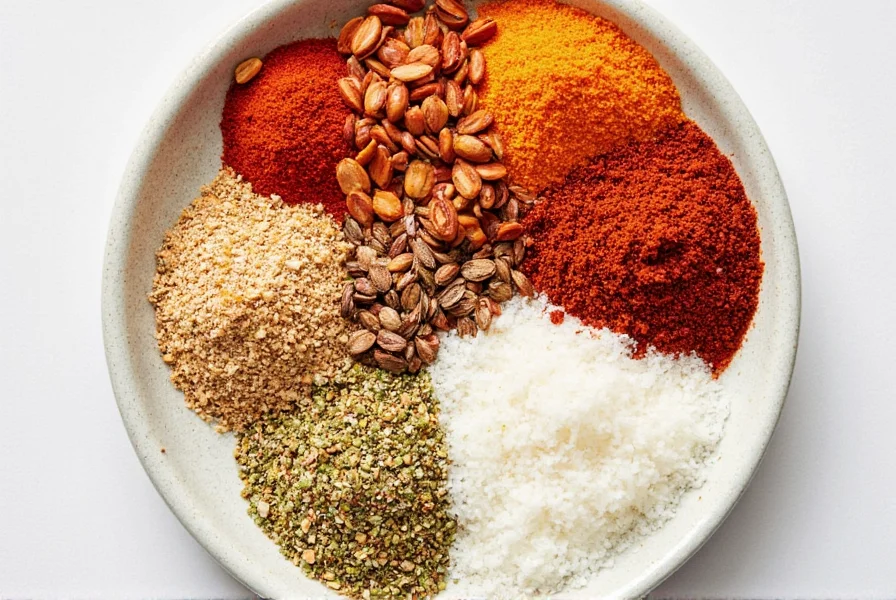
Spice It Up: A Flavorful Guide to Thai Seasoning Mix
Table of Contents
Introduction to Thai Seasoning Mix
If you've ever taken a bite of pad Thai, green curry, or even a spicy tom yum soup, you've likely tasted the magic of a Thai seasoning mix. This vibrant blend is more than just a flavor booster—it's the soul of Thai cuisine. Whether you're cooking at home or experimenting in a professional kitchen, understanding and using this mix can elevate your dishes from good to unforgettable.
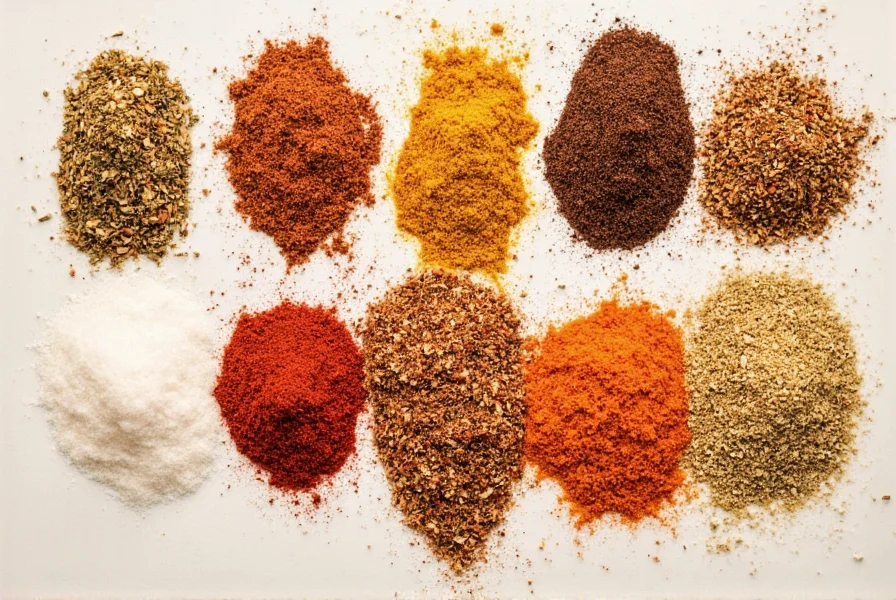
But what exactly is in it? How do you use it? And how does it compare to other global spice blends? In this guide, we'll dive into the world of Thai seasoning mix with a light-hearted approach, sharing tips, comparisons, and expert advice that both seasoned chefs and spice enthusiasts will love.
Understanding the Flavor Profile
A well-made Thai seasoning mix is a harmonious blend of sweet, sour, salty, bitter, and spicy notes—known as the five fundamental tastes in Thai cooking. This balance is what makes Thai food so unique and addictive.
Here’s a quick breakdown of the typical flavor profile:
- Sweetness: Often comes from palm sugar or coconut milk.
- Sourness: From lime juice or tamarind.
- Saltiness: Usually provided by fish sauce or salt.
- Bitterness: Sometimes from lemongrass or certain herbs.
- Spiciness: From chili peppers, which can range from mild to extremely hot.
The key is that no single flavor dominates. Instead, they work together to create a complex, layered taste that keeps you coming back for more.
Key Ingredients in a Thai Seasoning Mix
While the exact composition of a Thai seasoning mix can vary depending on the region or chef, there are several core ingredients that most mixes include. Let's take a closer look:
| Ingredient | Role in the Mix |
|---|---|
| Garlic | Provides a pungent, aromatic base |
| Galangal | Similar to ginger but sharper and more peppery |
| Shallots | Adds a mild sweetness and depth |
| Kaffir Lime Leaves | Gives a citrusy, fragrant aroma |
| Dried Chilies | Contributes heat and smokiness |
| Fish Sauce | Boosts umami and saltiness |
| Palm Sugar | Balance the spice with a touch of sweetness |
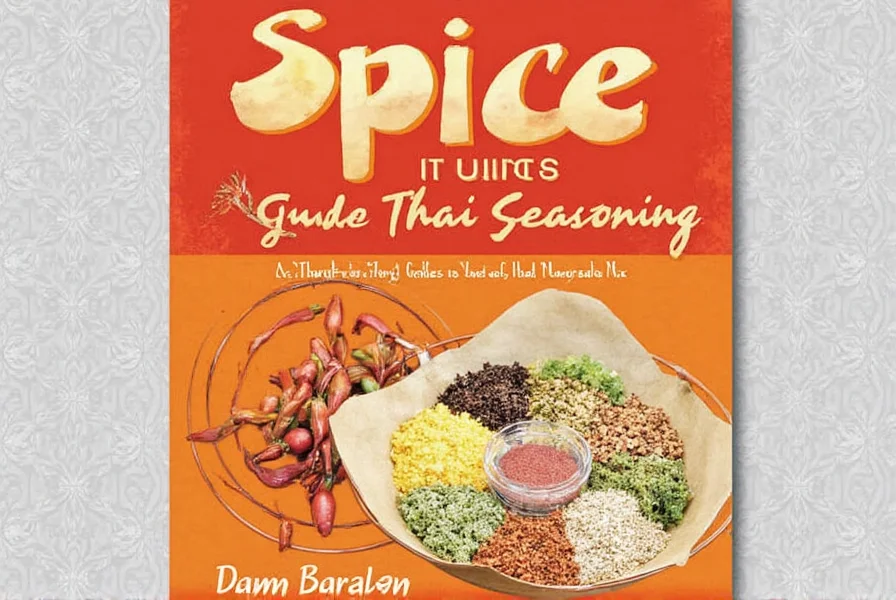
These ingredients come together to form a powerful, versatile seasoning that can be used in soups, curries, stir-fries, and even marinades. The best part? You don't need to be a master chef to make or use it.
Top 5 Usage Tips for Thai Seasoning Mix
Ready to start using your Thai seasoning mix? Here are some simple yet effective tips to get the most out of it:
- Use it as a base for curries: Add a spoonful of the mix to your coconut milk or broth before adding vegetables or protein.
- Marinate meats or seafood: The spices penetrate deep into the meat, making it tender and full of flavor.
- Stir-fry like a pro: Toss a bit of the mix into your wok while sautéing veggies or noodles for instant depth.
- Enhance soups and broths: A dash of the mix can transform a plain soup into something sensational.
- Make your own version: Experiment with ratios and ingredients to match your personal taste.
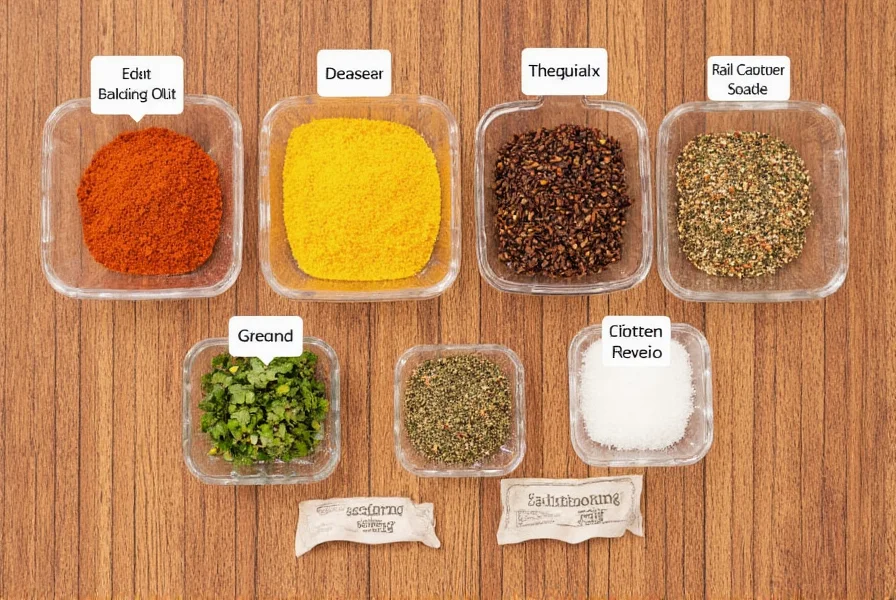
Remember, less is often more when it comes to seasoning. Start small and adjust as needed. After all, you want to highlight the natural flavors of your ingredients, not overpower them.
Thai vs. Other Global Seasoning Mixes
While Thai seasoning mix is undeniably special, it's interesting to compare it with other popular spice blends around the world. Here's a quick comparison table to help you understand how it stacks up:
| Seasoning Mix | Origin | Main Flavors | Best For |
|---|---|---|---|
| Thai Seasoning Mix | Thailand | Spicy, sour, sweet, salty | Curries, stir-fries, soups |
| Mexican Adobo | Mexico | Smoky, spicy, garlicy | Grilled meats, tacos, stews |
| Indian Garam Masala | India | Warm, earthy, aromatic | Vegetable dishes, rice, lentils |
| Mediterranean Za'atar | Middle East | Herby, tangy, nutty | Flatbreads, roasted vegetables, meats |
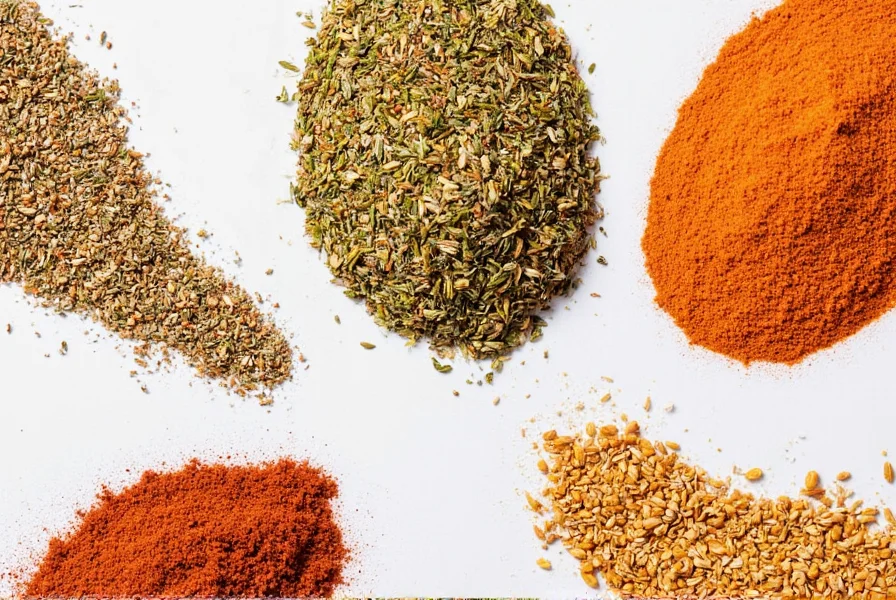
Each of these mixes has its own personality and purpose. But if you're looking for a bold, dynamic flavor that's perfect for a wide range of dishes, the Thai seasoning mix is hard to beat.
The Ultimate Buying Guide for Thai Seasoning Mix
If you're ready to bring the flavors of Thailand into your kitchen, here's a detailed buying guide to help you choose the right Thai seasoning mix:
Product Highlight: Thai Kitchen Thai Seasoning Mix
Features: This pre-made mix includes garlic, galangal, kaffir lime, and chilies—perfect for anyone who wants convenience without sacrificing quality.
Advantages: Easy to use, great for beginners, and consistent in flavor.
Use Cases: Ideal for making curries, stir-fries, and soups at home.
Target Audience: Home cooks, busy professionals, and those new to Thai cuisine.
Suitable Occasions: Weeknight dinners, potlucks, and casual gatherings.

Product Highlight: Maesri Thai Seasoning Mix
Features: Made with traditional ingredients like lemongrass, shallots, and shrimp paste, this mix offers a more authentic experience.
Advantages: Offers a deeper, more complex flavor compared to mass-produced versions.
Use Cases: Best for recipes that require a stronger, more traditional taste.
Target Audience: Foodies, experienced cooks, and those who enjoy homemade Thai dishes.
Suitable Occasions: Special meals, dinner parties, and holiday feasts.

Product Highlight: Nam Prik Pao (Thai Chili Paste)
Features: While not a seasoning mix per se, this chili paste is often used similarly to add heat and depth to dishes.
Advantages: Highly versatile and can be mixed with other seasonings for extra flavor.
Use Cases: Great for marinating, dipping, or mixing into sauces and dressings.
Target Audience: Those who love spicy food and want to experiment with different levels of heat.
Suitable Occasions: Grilling, snacking, and enhancing everyday meals.

When choosing a Thai seasoning mix, look for products with minimal additives and high-quality ingredients. If possible, opt for organic or artisanal options for a richer, more authentic taste.
Conclusion
In conclusion, the Thai seasoning mix is more than just a collection of spices—it's a gateway to the rich and diverse world of Thai cuisine. With its perfect balance of sweet, sour, salty, bitter, and spicy, it brings a unique depth to every dish it touches.
Whether you're a seasoned chef or a curious home cook, experimenting with this mix can open up a whole new realm of flavor possibilities. From stir-fries to curries, from soups to marinades, the versatility of a Thai seasoning mix makes it a must-have in any kitchen.
So why wait? Grab a bag of Thai seasoning mix and start transforming your meals today. Who knows? You might just discover your new favorite way to cook.




 浙公网安备
33010002000092号
浙公网安备
33010002000092号 浙B2-20120091-4