
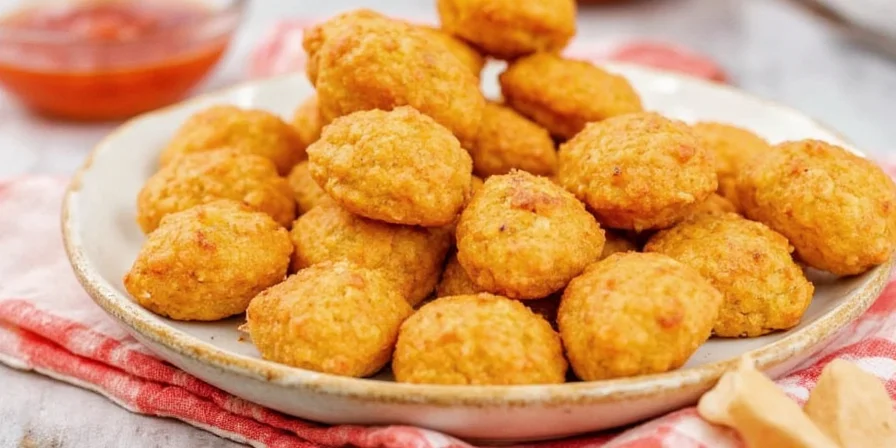
Spice, Crispy Love: A Hilariously Spicy Guide to Making Puerto Rican Pastelillos
Table of Contents
- Introduction: What the Spice is a Pastelillo?
- A Taste of Tradition: The History Behind Pastelillos
- The Spice List: Essential Ingredients
- Step-by-Step: From Dough to Delicious
- Top 5 Tips: Spice It Up, Fry it Right!
- Pastelillo Variations: Go Wild with Flavor
- Spice Talk: Caribbean Heat & Herb Harmony
- Conclusion: Crispy Love in Every Bite
Introduction: What the Spice is a Pastelillo?
If you haven't had a Pastelillo, are you even living your culinary life? Think of it as the Puerto Rican version of an empanada—but better. Crispy golden shell, spicy meaty goodness inside—it’s like your tastebuds throwing a tropical party and everyone's invited.
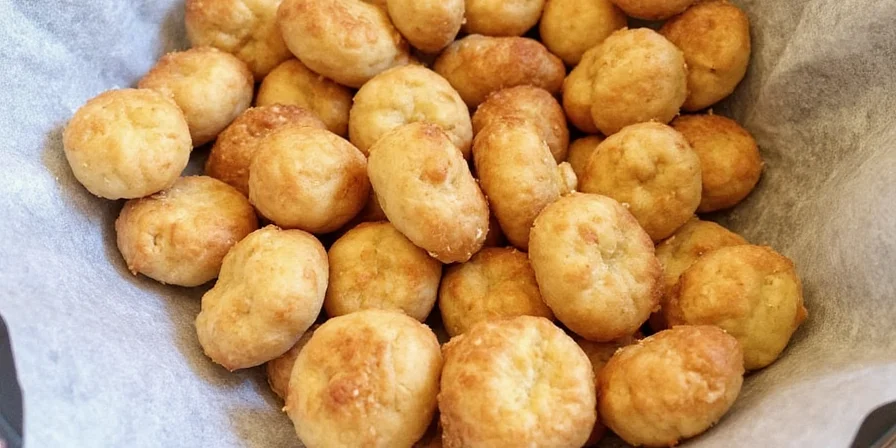
A Taste of Tradition: The History Behind Pastelillos
Pastelillos have roots that stretch back through generations of Puerto Rican kitchens. Originally inspired by Spanish croquetas and Moorish influences, these little bundles evolved into something uniquely island-born. Today, they're more than just street food—they’re a symbol of celebration, community, and serious spice game.
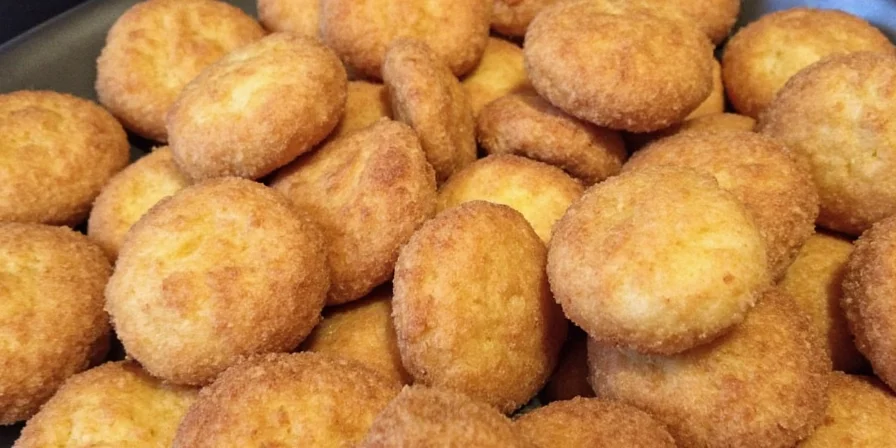
The Spice List: Essential Ingredients
Here’s what you’ll need to make authentic Puerto Rican pastelillos (serves 8–10):
- For the Filling:
- Ground beef – 1 lb
- Onion – 1 small, finely chopped
- Garlic cloves – 2, minced
- Green bell pepper – ½, diced
- Salt – 1 tsp
- Black pepper – ½ tsp
- Adobo seasoning – 1 tsp
- Cumin – ½ tsp
- Olive oil – 2 tbsp
- Tomato sauce – ¼ cup
- Beef broth – 3 tbsp
- Green olives with pimientos – ¼ cup, sliced
- For the Dough:
- All-purpose flour – 2 cups
- Baking powder – 1 tsp
- Salt – ½ tsp
- Butter – ½ cup (cold, cubed)
- Egg – 1 large
- Milk – ½ cup
- Oil – for frying
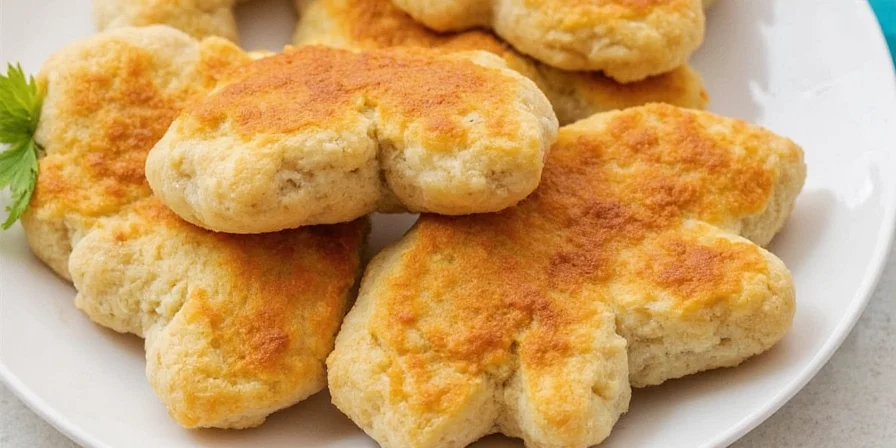
Step-by-Step: From Dough to Delicious
Let’s get cooking! Here's how to assemble these crispy cuties without burning your kitchen down:
- Make the Filling: In a pan over medium heat, sauté onions, garlic, and peppers in olive oil until soft. Add ground beef and cook until browned. Stir in tomato sauce, spices, and let simmer for 5 minutes. Add olives and beef broth. Let cool completely.
- Prepare the Dough: In a bowl, combine flour, baking powder, and salt. Cut in cold butter using a pastry cutter or fork until crumbly. Whisk egg and milk together, then mix into dough until it forms a soft ball. Wrap in plastic wrap and refrigerate for 30 minutes.
- Shape Each Pastelillo: Roll out dough on a floured surface. Use a glass or round cutter to create circles (~4-inch diameter). Spoon filling onto one half of each circle. Fold over and seal edges tightly, crimping with a fork.
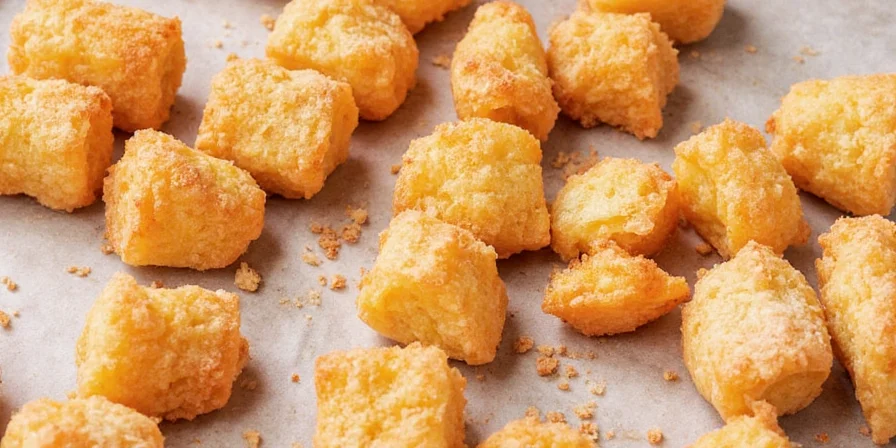
- Fry Until Golden: In a deep pot, heat oil to 350°F (175°C). Carefully fry pastelillos in batches until golden brown—about 2–3 minutes per side. Drain on paper towels.
Top 5 Tips: Spice It Up, Fry it Right!
To avoid ending up with sad soggy snacks, follow these pro tips:
| Tips | Description |
|---|---|
| Keep the Filling Dry | Too much moisture = sogginess. Make sure the mixture isn’t wet before assembling. |
| Use Cold Butter | Keeps the dough flaky and prevents it from becoming tough. |
| Double Sealing Saves Lives | Crimp twice to ensure no leaks during frying! |
| Fry at the Right Temp | Use a thermometer! Too hot = burnt outsides; too cold = oily mess. |
| Let Them Rest | Resting for 5–10 minutes after frying lets flavors settle and crispness lock in. |
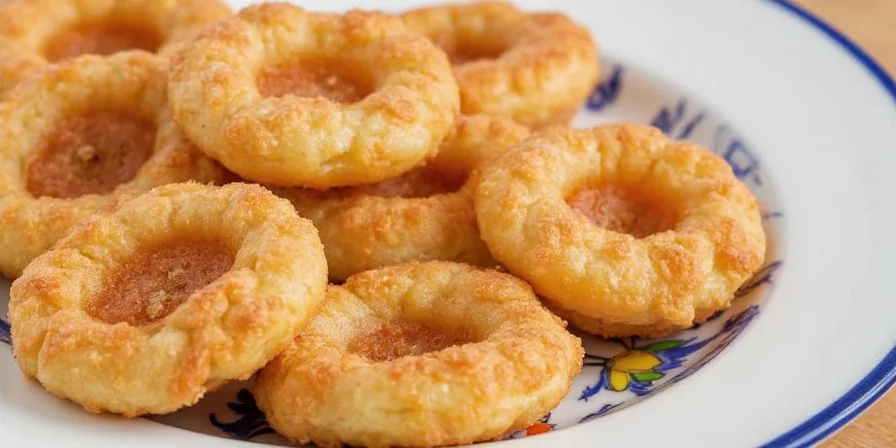
Pastelillo Variations: Go Wild with Flavor
If you're feeling adventurous (and we know you are), here are some fun twists:
- Vegan Vibes: Swap beef for jackfruit or mushrooms seasoned with adobo and soy sauce.
- Seafood Surprise: Shredded crab or shrimp makes a luxurious twist.
- Breakfast Bombs: Fill with scrambled eggs, cheese, and chorizo for a morning pick-me-up.
- Caribbean Heat: Add Scotch bonnet pepper or hot sauce for extra fire.
Spice Talk: Caribbean Heat & Herb Harmony
Puerto Rican cuisine is all about balance between fresh herbs and bold spices. Here’s a quick breakdown:
| Spice/Herb | Flavor Profile | Why It Works |
|---|---|---|
| Adobo Seasoning | Savory, garlicky, slightly citrusy | Signature Puerto Rican flavor base |
| Cumin | Earthy, warm, nutty | Adds depth to meats and fillings |
| Black Pepper | Peppery, sharp bite | Kicks up the savory factor |
| Scotch Bonnet | Super hot with fruity undertones | Adds island-level fire (use sparingly!) |
| Garlic | Pungent, earthy, aromatic | The soul of every good Puerto Rican dish |
Conclusion: Crispy Love in Every Bite
Making Puerto Rican pastelillos isn’t just about the food—it’s about connecting with culture, sharing love through layers of dough, and dancing to the rhythm of island spices. Whether you stick to the classic recipe or go wild with variations, one thing’s for sure: you’re going to want seconds… and thirds.
Now grab your apron, your favorite playlist, and start frying. Your kitchen just got a whole lot spicier—and deliciously happier too!




 浙公网安备
33010002000092号
浙公网安备
33010002000092号 浙B2-20120091-4