
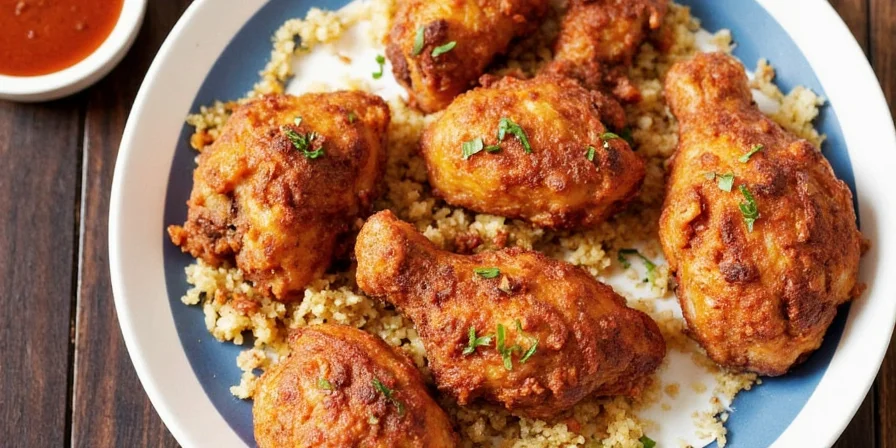
Looking for the authentic chicken mole enchiladas recipe with step-by-step instructions? You've found it. This comprehensive guide delivers a true Oaxacan-style mole enchiladas recipe with precise measurements, cooking temperatures, and common mistake prevention tips—plus the cultural context that makes this dish special. Follow our tested method for perfectly balanced mole sauce that's neither too sweet nor bitter, with traditional presentation techniques that honor Mexico's culinary heritage.
Authentic Chicken Mole Enchiladas Recipe
Prep time: 45 minutes | Cook time: 2 hours 15 minutes | Total time: 3 hours | Serves: 6
Ingredients You'll Need
| Component | Ingredients | Key Notes |
|---|---|---|
| Mole Sauce |
|
Char chiles over open flame for 10 seconds per side before soaking |
| Filling & Assembly |
|
Never use raw tortillas—briefly fry in oil until slightly crisp |
Step-by-Step Preparation
- Prepare the mole base: Remove seeds from dried chiles, toast over open flame for 10 seconds per side, then soak in hot water for 20 minutes. Roast tomatoes, onion, and garlic until charred.
- Toast additional components: Lightly toast plantain slices and corn tortilla until edges darken. This creates the characteristic earthy depth of Oaxacan mole.
- Blend sauce components: Combine soaked chiles, roasted vegetables, toasted ingredients, spices, and 1 cup broth in blender. Blend until completely smooth (2-3 minutes).
- Simmer sauce: Pour blended mixture into heavy pot. Add remaining broth, chocolate, and sesame seeds. Simmer uncovered for 90 minutes on low heat, stirring every 15 minutes. Crucial step: Sauce should reduce by 1/3 and coat the back of a spoon.
- Prepare tortillas: Heat 1/4" oil in skillet to 350°F (175°C). Briefly fry each tortilla for 10-15 seconds per side until slightly pliable but not crispy.
- Assemble enchiladas: Mix shredded chicken with 1 cup warm mole sauce. Fill each tortilla, roll tightly, and place seam-side down in baking dish. Cover completely with remaining mole sauce.
- Final bake: Bake at 350°F (175°C) for 20 minutes. Rest 5 minutes before serving. Never serve above 140°F (60°C)—heat destroys mole's complex flavor profile.
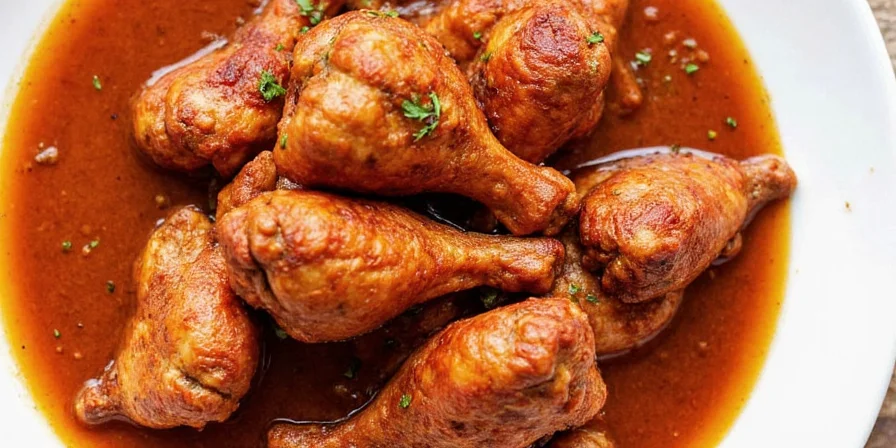
Why This Recipe Works: Authentic Techniques Explained
Most mole enchilada recipes fail because they skip critical steps that define authentic flavor. Our method addresses the three most common problems home cooks face:
| Common Problem | Authentic Solution | Science Behind It |
|---|---|---|
| Mole tastes bitter | Toasting plantain AND tortilla creates balanced sweetness | Maillard reaction develops complex sugars that counteract chile bitterness |
| Enchiladas fall apart | Frying tortillas in oil before filling | Creates moisture barrier while enhancing corn flavor |
| Flavors don't blend | 90+ minute simmer with frequent stirring | Allows emulsification of oils and water-based components |
Mole Sauce Variations & Regional Differences
Understanding regional mole variations helps you adapt this recipe while maintaining authenticity. The "mole" name refers to dozens of distinct sauces across Mexico—each with specific preparation rules:
| Mole Type | Authentic Characteristics | When to Use |
|---|---|---|
| Mole Negro (Oaxaca) | Charred tortillas & plantains create earthy depth; 25+ ingredients | Ceremonial occasions; requires all-day preparation |
| Mole Verde (Puebla) | Fresh herbs pounded in molcajete; no chocolate | Spring dishes; pairs with chicken or rabbit |
| Mole Colorado | Dried chiles toasted over open flame; tomato base | Everyday meals; faster preparation (under 2 hours) |
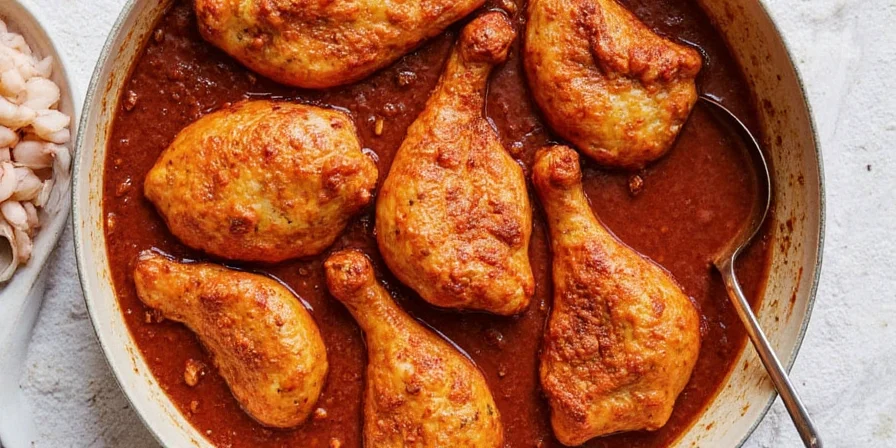
Time-Saving Adaptations Without Sacrificing Authenticity
Authentic mole requires patience, but these tested adaptations maintain flavor integrity while reducing preparation time:
- Mole base freezing: Prepare sauce through step 4, then freeze in ice cube trays. Thaw 3 cubes + 1 cup broth for instant authentic sauce (saves 2 hours)
- Ingredient shortcuts: Use 1 cup quality mole paste + 2 tbsp toasted sesame seeds + 1/2 tsp Mexican oregano (better than store-bought sauce alone)
- Vegetarian version: Replace chicken with roasted sweet potatoes + epazote; use mushroom broth instead of chicken broth
- Common mistake fix: If sauce is too thick, add broth 2 tbsp at a time—never water which dilutes flavor
Frequently Asked Questions
Can I use store-bought mole paste for authentic enchiladas?
While convenient, commercial pastes lack layered complexity. Authentic preparation requires toasting whole spices and chiles separately. For closer results, enhance store paste with freshly toasted sesame seeds and a pinch of Mexican oregano.
Why do my mole enchiladas fall apart during assembly?
This indicates insufficient tortilla preparation. Authentic technique requires briefly frying tortillas in neutral oil until slightly crisp—this creates a moisture barrier while adding subtle flavor. Never use raw tortillas with wet mole sauce.
What's the biggest mistake people make with mole sauce?
Rushing the simmer time. Authentic mole requires 90+ minutes of slow cooking to develop flavor complexity. Shorter times create bitter, one-dimensional sauce. Set a timer and resist the urge to shorten this critical step.
How can I tell when mole sauce is properly cooked?
Properly cooked mole should coat the back of a spoon without dripping, have a deep mahogany color (not reddish), and show oil separation around the edges. Most importantly, the raw chile smell should disappear, replaced by complex roasted notes.
What's the ideal serving temperature for mole enchiladas?
140°F (60°C) is the perfect serving temperature. Higher temperatures mask the sauce's complexity, while colder temperatures cause the oils to congeal. Let baked enchiladas rest 5 minutes before serving for optimal flavor release.
Cultural Context: More Than Just a Recipe
Mole represents Mexico's mestizaje—the blending of Indigenous and colonial influences—where each ingredient carries historical significance. The specific combination of mulato and pasilla chiles in this recipe honors Oaxacan traditions where these varieties grow natively. When preparing mole enchiladas today, you're continuing a culinary dialogue that survived colonization through innovation—making your kitchen a vessel for cultural continuity.
Final Tips for Success
- Use a heavy-bottomed pot for simmering mole to prevent scorching
- Always remove chile seeds—they contribute excessive heat without flavor complexity
- For authentic presentation, serve on red clay plates which enhance mole's earthy tones
- Pair with white rice (not Mexican red rice) to cleanse the palate between complex flavors
Mastering chicken mole enchiladas connects you to 500 years of culinary tradition. By honoring these techniques while thoughtfully innovating, you transform everyday cooking into an act of cultural preservation. The next time you simmer mole, remember: you're not just feeding your family—you're continuing a conversation across generations.




 浙公网安备
33010002000092号
浙公网安备
33010002000092号 浙B2-20120091-4