
Pollo al Mole Poblano: The Spicy Love Letter Mexico Wrote to the World
Welcome, spice lovers and curious foodies! If you’ve ever wondered how a sauce could become a national symbol, then buckle up — we’re diving deep into one of Mexico’s most cherished culinary treasures: pollo al mole poblano. This dish isn’t just food; it’s a flavor-packed celebration of history, culture, and seriously bold spices.
Table of Contents
- What Is Pollo al Mole Poblano?
- The Spice Profile: What Makes Mole So Special?
- A Brief History of Mole Poblano
- How to Make It at Home: A Step-by-Step Guide
- Buying Guide: Best Ingredients for Authentic Mole
- Modern Twists & Serving Suggestions
- Conclusion: Why You Should Fall in Love with Mole Poblano
What Is Pollo al Mole Poblano?
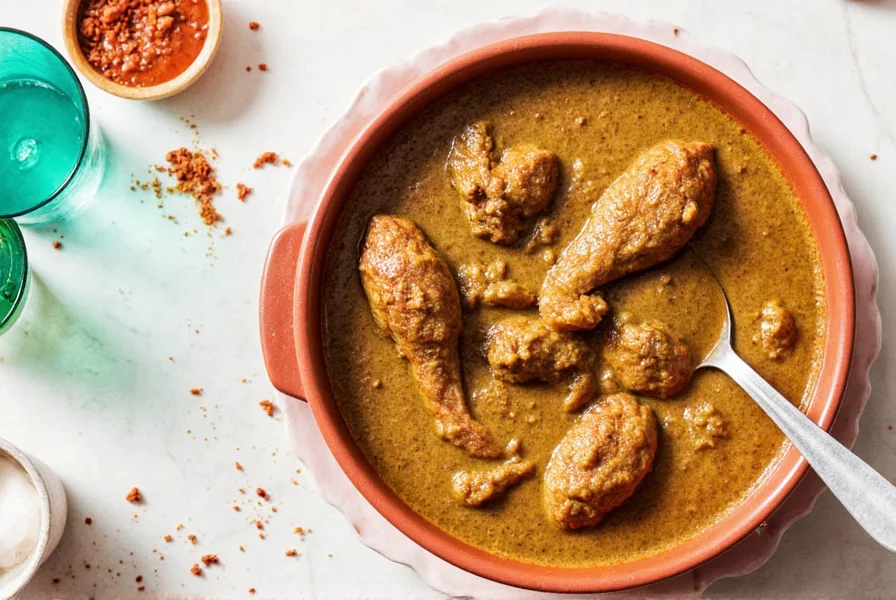
At its core, pollo al mole poblano is chicken (pollo) bathed in a rich, complex sauce called mole poblano, originating from Puebla, Mexico. This sauce is a masterful blend of dried chiles, spices, nuts, seeds, and even chocolate — yes, you read that right!
Unlike your average tomato-based sauces or simple chili blends, mole is layered like a fine wine, offering notes of earthy, smoky, nutty, bitter, sweet, and spicy all in one bite. And when paired with tender, slow-cooked chicken, it becomes a soul-warming experience that deserves every bit of its legendary status.
The Holy Trinity of Mole Poblano
- Ancho chilies: Mild heat with raisin-like sweetness.
- Chocolate: Adds depth and balances the spice.
- Spices: Cinnamon, cloves, anise, and more create complexity.
The Spice Profile: What Makes Mole So Special?
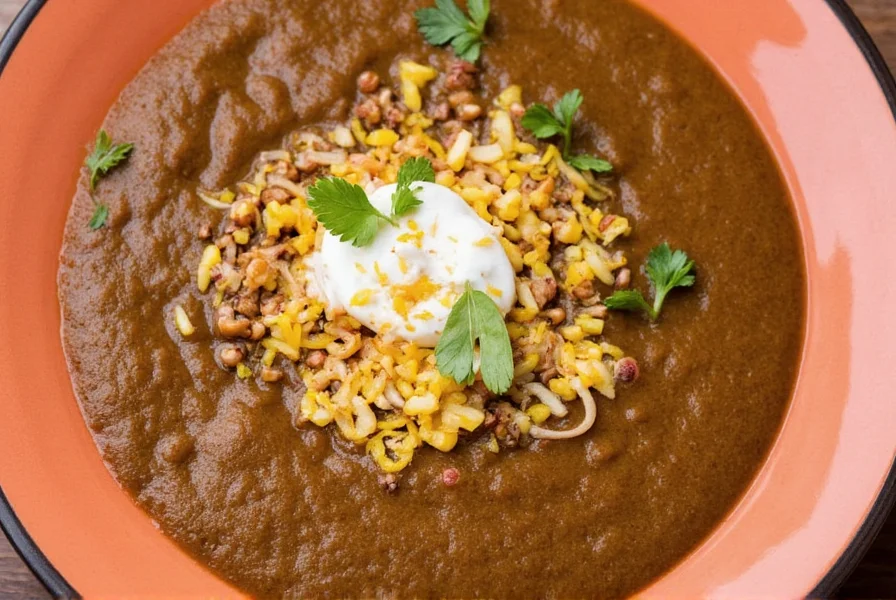
Mole isn't just a sauce — it's a symphony of flavors. Let’s break down what gives mole poblano its signature flair:
| Ingredient | Flavor Contribution | Heat Level |
|---|---|---|
| Ancho Chile | Sweet, fruity, earthy | Low (1,000–2,000 SHU) |
| Pasilla Chile | Berry-like, dark, slightly bitter | Medium (2,500 SHU) |
| Cinnamon | Warm, aromatic backbone | 0 |
| Almonds / Pepitas | Nutty richness | 0 |
| Chocolate | Velvety finish, bitterness balance | 0 |
Pro Tip: Spice Balancing Act
To get that perfect mole, you must balance heat, sweetness, acidity, and bitterness. Here’s a cheat sheet:
- Too spicy? Add a touch of sugar or more chocolate.
- Too bitter? Add a splash of vinegar or citrus juice.
- Too thick? Thin with chicken broth or water.
A Brief History of Mole Poblano
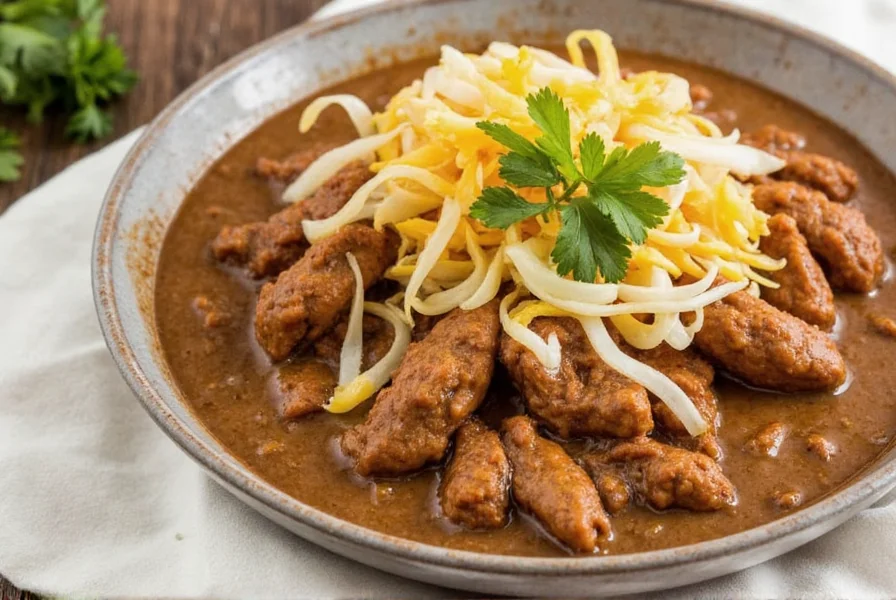
Legend has it that mole poblano was created by accident — or perhaps divine intervention — in a convent in Puebla during the 17th century. According to popular lore, nuns were preparing for a visit from a bishop and combined whatever they had on hand: chilies, spices, stale bread, and even a bar of chocolate.
Little did they know, they had crafted a masterpiece. Over time, this humble creation evolved into the iconic mole poblano we know today — now celebrated as Mexico’s national dish.
Mole Across Mexico
Mole comes in many regional varieties, each telling a different story through its ingredients:
| Type of Mole | Region | Signature Ingredient |
|---|---|---|
| Mole Poblano | Puebla | Chocolate |
| Mole Negro | Oaxaca | Smoked chilies |
| Mole Verde | Oaxaca | Herbs (cilantro, pumpkin seeds) |
| Mole Amarillo | Oaxaca | Yellow chilies |

How to Make It at Home: A Step-by-Step Guide
Ready to make mole poblano from scratch? Don’t be intimidated — it’s totally doable with a little patience and love. Here’s a simplified version you can try in your own kitchen:
- Toast and soak the chilies: Ancho, pasilla, and mulato chilies are soaked in hot water until soft.
- Roast the aromatics: Onion, garlic, tomatoes, and tomatillos go into a pan until charred and fragrant.
- Grind everything: Use a blender to turn the soaked chilies, aromatics, nuts, and spices into a smooth paste.
- Cook the sauce: Simmer everything together with broth, stirring constantly to prevent burning.
- Add chocolate: Stir in unsweetened chocolate near the end of cooking.
- Season and serve: Taste, adjust salt and spices, and pour over shredded or whole chicken.

Time-Saving Hack: Use a Blender!
Forget old-school grinding stones — modern blenders work just fine. If you want that restaurant-grade texture, strain the sauce through a sieve before simmering.
Buying Guide: Best Ingredients for Authentic Mole
If you’re new to making mole, sourcing the right ingredients can be tricky. Here’s a curated list of must-have items, with pro tips for choosing the best ones:
Chilies
- Ancho: Dried poblano pepper, mild with a sweet, prune-like flavor.
- Pasilla: Also known as “chili negro,” adds depth and slight bitterness.
- Mulato: Slightly sweeter than ancho, with coffee-like undertones.
Spices
- Cinnamon: Mexican cinnamon (Cinnamomum loureiroi) is preferred for its strong aroma.
- Cloves: Use sparingly — too much will overpower everything else.
- Allspice: Adds warmth and earthiness.
- Coriander Seeds: Toasted for nuttiness.
Nuts & Seeds
- Almonds: Toasted for maximum flavor.
- Pepitas (Pumpkin Seeds): Optional but add a nice crunch and green contrast.
Chocolate
- Unsweetened Chocolate: Mexican tablets (like Abuelita) are ideal. Avoid overly sweet brands.
Broth & Liquid
- Chicken Broth: For classic versions. Vegetable broth works for vegan mole.
Top Picks for Mole Lovers
| Product | Features | Best For | Where to Buy |
|---|---|---|---|
| Abuelita Unsweetened Chocolate Tablets | Perfect chocolate base without excess sugar | Authentic mole recipes | Supermarkets or Latin grocery stores |
| La Costeña Ancho Chilies | Fleshy, easy to rehydrate, consistent quality | Beginners and pros alike | Online spice retailers |
| McCormick Ground Cinnamon | Strong aroma, reliable brand | Daily use or small batches | Grocery stores |
| Vitamix Blender | Blends tough chilies smoothly | Perfect texture in record time | Kitchen appliance stores |

Modern Twists & Serving Suggestions
While tradition is beautiful, there’s no rule saying you can’t play around with mole poblano. Try these fun variations and serving ideas:
- Mole Tacos: Spoon over warm tortillas with shredded chicken and avocado.
- Mole Empanadas: Fill pastry pockets with mole-soaked chicken for a handheld delight.
- Mole Pizza: Swap tomato sauce for mole, top with mozzarella, olives, and pickled jalapeños.
- Mole Grilled Cheese: Yes, really. Spread mole inside grilled cheese for a surprising twist.
- Mole Ice Cream: For dessert lovers — rich chocolate mole swirls into vanilla ice cream.
Serving Tips
- Serve with rice, tortillas, or tamales to soak up every last drop.
- Garnish with sesame seeds or chopped cilantro for color.
- Pair with a cold horchata or mezcal cocktail to cool the palate.
Conclusion: Why You Should Fall in Love with Mole Poblano
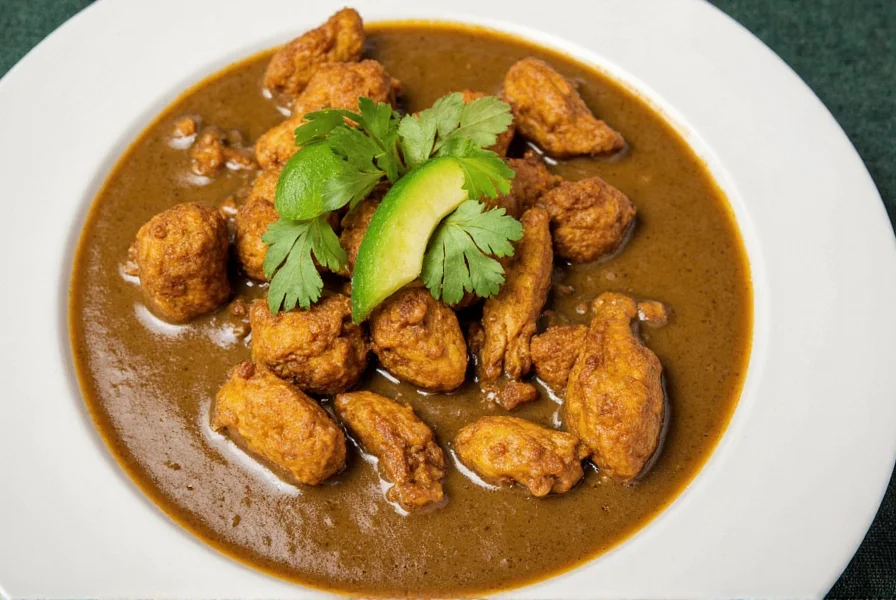
Pollo al mole poblano is more than a dish — it’s a cultural icon, a flavor explosion, and a testament to the power of spice. Whether you're a seasoned chef or a weekend warrior in the kitchen, mastering this recipe opens the door to a world of rich traditions and bold tastes.
So go ahead, embrace the chilies, melt the chocolate, and let mole bring a little warmth to your dinner table. Who knows — you might just find your new favorite comfort food.




 浙公网安备
33010002000092号
浙公网安备
33010002000092号 浙B2-20120091-4