
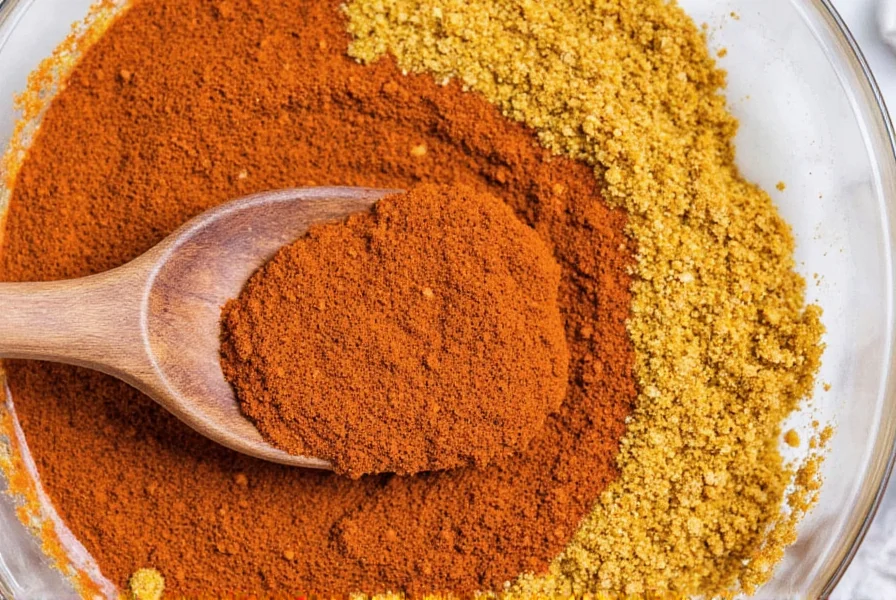
Is Aji Panca Sauce the Secret Weapon in Your Spice Cabinet? Let’s Find Out!
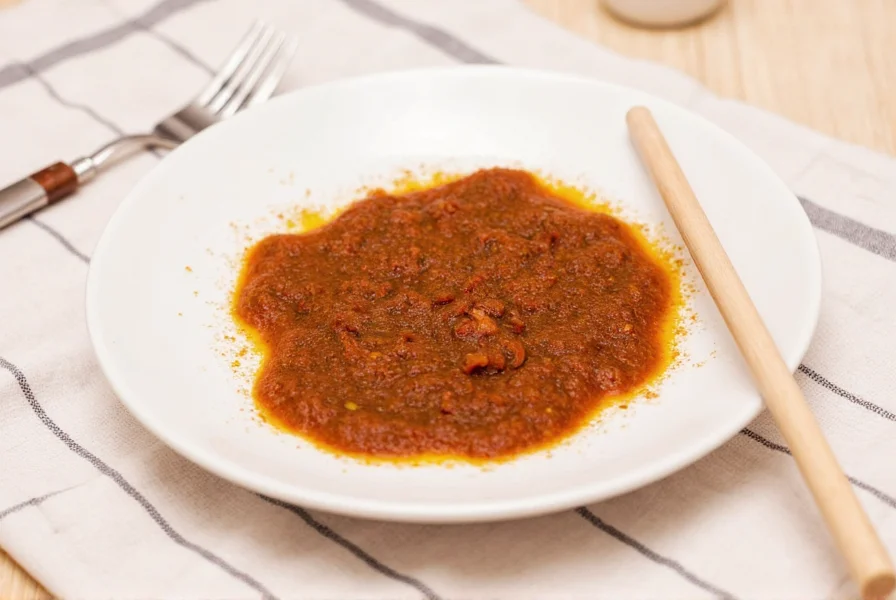
In the ever-evolving world of global spices, few ingredients have gained as much cult status in recent years as aji panca sauce. If you haven’t tried it yet, you might be missing out on one of the most complex, fruity, and mildly spicy flavor boosters from Peru.
This article will take you on a flavorful journey through the history, taste, and usage of aji panca sauce. Whether you’re a professional chef or a home cook looking to spice up your meals, we’ve got everything you need to know — plus some practical tips, buying advice, and even a side-by-side comparison table to help you choose the best product for your needs.
Table of Contents
- What is Aji Panca Sauce?
- History & Origin
- Flavor Profile: What Does It Taste Like?
- Culinary Uses Around the World
- 5 Tips to Cook with Aji Panca Like a Pro
- Buying Guide: How to Choose the Best Aji Panca Sauce
- Product Comparison Table
- Pairings & Recipes You Must Try
- Final Thoughts
What is Aji Panca Sauce?
Aji panca sauce is made from the aji panca chili pepper, a deep red, medium-heat pepper native to Peru. Known for its rich color and smoky aroma, this sauce is often used in Peruvian cuisine to add both heat and depth without overpowering other flavors.
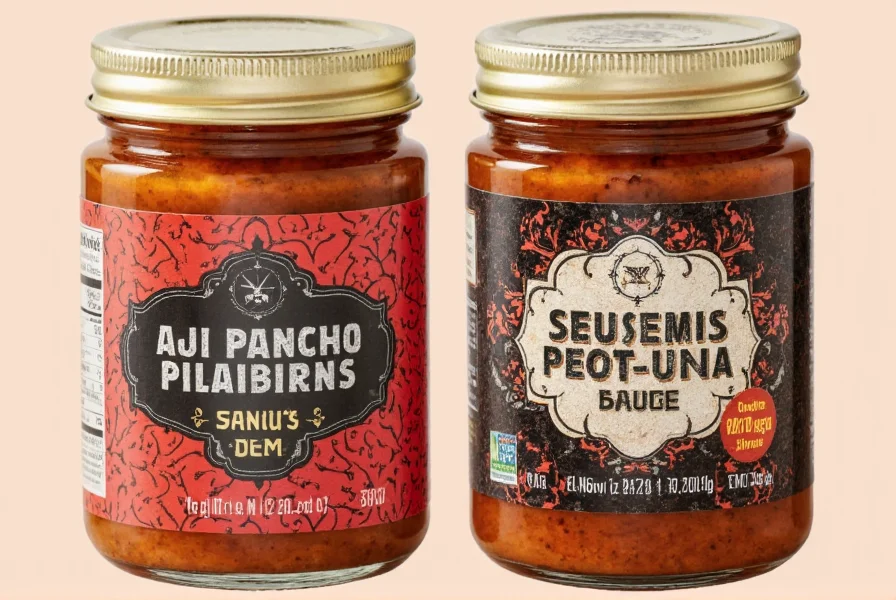
The peppers are dried and ground into paste form, then often mixed with vinegar, salt, garlic, and sometimes other spices to create a versatile condiment that can be used as a marinade, base for sauces, or finishing touch.
History & Origin
The roots of aji panca run deep in Peruvian culinary tradition. Used for centuries by indigenous communities, it became a staple ingredient in dishes like pescado a la veracruzana, lomo saltado, and rocoto relleno.
Historically, these peppers were sun-dried and stored for long periods, making them an essential ingredient during times when fresh produce was scarce. Today, thanks to globalization and the popularity of Latin American cuisines, aji panca sauce has found its way into kitchens around the globe.
Flavor Profile: What Does It Taste Like?
If you imagine a sweet bell pepper meeting a mild habanero, you’ll start to get a sense of the flavor profile of aji panca sauce. It's not just about heat — though it does bring a gentle kick — but more about the layers of flavor.
- Fruity notes: Think dried berries, cherries, and raisins.
- Earthy undertones: With hints of cocoa and tobacco.
- Smoky finish: That lingers on the tongue.
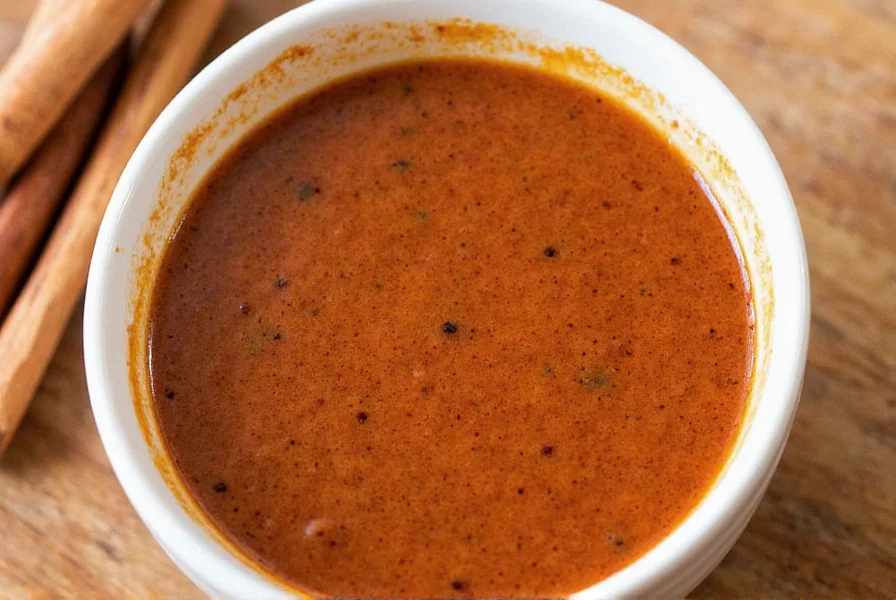
The Scoville rating usually ranges between 1,000 to 2,000 SHU (Scoville Heat Units), placing it somewhere between poblano and jalapeño in terms of heat intensity. But what really sets it apart is its complexity — it’s not just hot, it’s deliciously nuanced.
Culinary Uses Around the World
While originally rooted in Peruvian cooking, aji panca sauce has found its way into fusion dishes across the globe. Here’s where it shines:
- Latin America: In Peru, it’s used to marinate meats, flavor soups, and top ceviche.
- North America: Popular in gourmet tacos, burger sauces, and avocado toast.
- Europe: Mixed into aioli, drizzled over roasted vegetables, or added to pasta sauces.
- Asia: Experimentally used in stir-fries, noodle dishes, and rice bowls.
5 Tips to Cook with Aji Panca Like a Pro
- Start small. Because it’s packed with flavor, a little goes a long way. Add gradually and adjust to taste.
- Mix it with mayo or sour cream for a quick dip or sandwich spread.
- Marinade meats like chicken, pork, or steak for at least 30 minutes before grilling or roasting.
- Add it to soups or stews near the end of cooking to preserve its fresh aroma.
- Blend it with citrus — like lime or orange — to balance the earthy notes with brightness.
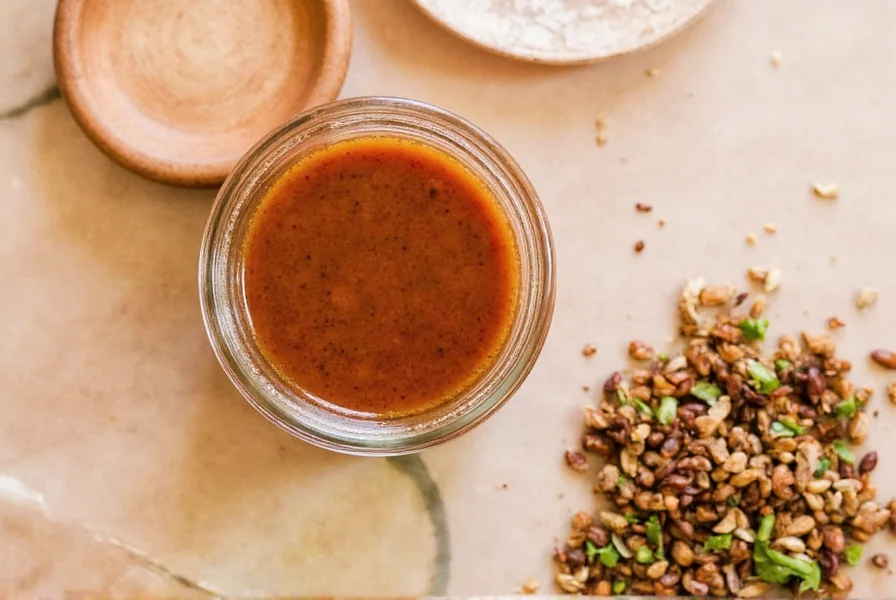
Buying Guide: How to Choose the Best Aji Panca Sauce
Not all aji panca sauces are created equal. From texture to shelf life, here’s what to look for when shopping:
- Natural Ingredients: Avoid additives like preservatives, artificial colors, or high-fructose corn syrup.
- Texture: Should be smooth but not watery. Some brands include seeds or pulp for extra texture.
- Heat Level: Check the label if you want milder or spicier versions.
- Packaging: Glass bottles are better for preserving flavor than plastic.
- Origin: Authentic Peruvian brands tend to use traditional methods and higher quality peppers.
If you're buying online, look for customer reviews mentioning consistency, flavor, and authenticity. Also, consider whether you prefer a pure aji panca paste or a blended version with garlic, vinegar, etc.
Product Comparison Table
| Brand | Ingredients | Texture | Shelf Life | Best For | Price Range |
|---|---|---|---|---|---|
| Tierra del Sol | Aji panca, vinegar, garlic, salt | Thick and creamy | 18 months unopened | Marinades and sauces | $6–$8 |
| Mistura Latina | Pure aji panca paste | Coarse and chunky | 12 months unopened | Cooking from scratch | $7–$9 |
| PeruGourmet | Aji panca, olive oil, herbs | Smooth and pourable | 24 months unopened | Dipping and finishing | $9–$12 |
| Kallpa Organics | Organic aji panca, sea salt | Velvety and rich | 18 months unopened | Health-conscious cooks | $10–$14 |
| Amazonia Naturals | Aji panca, water, citric acid | Thin and fluid | 12 months unopened | Cheap everyday use | $5–$6 |
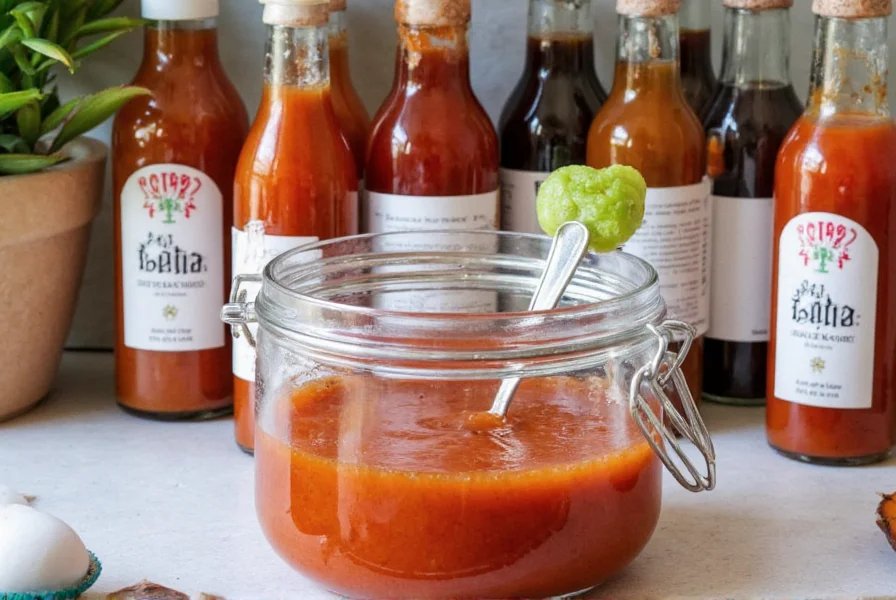
Pairings & Recipes You Must Try
To truly appreciate the versatility of aji panca sauce, try these pairings and recipe ideas:
- Aji Panca Aioli: Mix 2 tbsp aji panca sauce with 1/2 cup mayonnaise, a squeeze of lime, and minced garlic.
- Peruvian Chicken Skillet: Sauté onions, garlic, and bell peppers, then stir in shredded cooked chicken and a couple tablespoons of aji panca sauce.
- Spicy Sweet Potato Fries: Toss fries in olive oil, sprinkle with paprika and a dash of aji panca powder before baking.
- Aji Panca Guacamole: Blend ripe avocado with lime juice, cilantro, onion, and a teaspoon of aji panca sauce.
- Grilled Salmon with Aji Glaze: Combine aji panca sauce with honey, soy sauce, and a bit of lemon zest for a glaze.
Final Thoughts
Aji panca sauce isn’t just another hot sauce — it’s a gateway to the bold, colorful world of Peruvian flavor. Whether you’re using it to elevate a weeknight dinner or impress guests at a dinner party, its unique combination of fruitiness, earthiness, and subtle heat makes it stand out in any spice lover’s pantry.
So next time you’re browsing the spice aisle or planning a meal, don’t overlook this hidden gem. With a little experimentation, aji panca sauce could become your go-to flavor booster.




 浙公网安备
33010002000092号
浙公网安备
33010002000092号 浙B2-20120091-4