
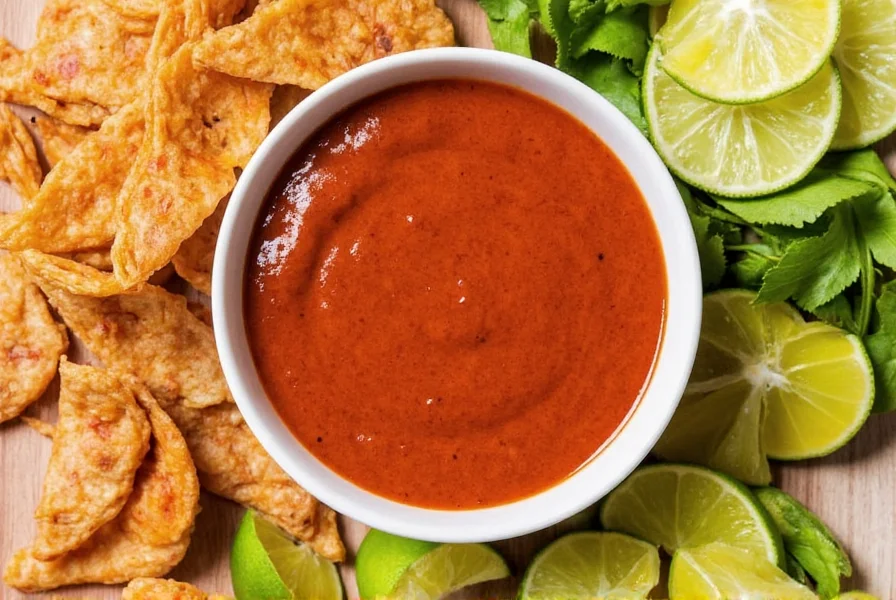
Guajillo Sauce: The Smoky Secret Behind Mexico’s Most Versatile Chili Condiment
Welcome to the fiery world of chile guajillo sauce, where smoky undertones meet just the right amount of heat. Whether you’re a home cook or a spice-savvy pro, this sauce is your ticket to authentic Mexican flavor. In this article, we’ll explore everything from its rich cultural roots to modern-day kitchen hacks.
Table of Contents
- A Taste of Tradition: The History of Guajillo Chile
- Flavor Profile and Heat Level
- What Makes the Perfect Guajillo Sauce?
- Creative Ways to Use Guajillo Sauce in Your Kitchen
- Buying Guide: How to Choose the Best Guajillo Sauce
- DIY at Home: Easy Guajillo Sauce Recipes for Every Occasion
- Guajillo Beyond Borders: International Flavors with a Mexican Twist
- Final Thoughts: Is Guajillo Sauce Worth the Hype?
A Taste of Tradition: The History of Guajillo Chile
The story of chile guajillo sauce begins long before it hit your pantry shelf. Originating in Mexico, specifically in regions like Oaxaca and Zacatecas, guajillo chiles were used by the Aztecs as early as 2000 BCE. These dried chilies have evolved into a culinary cornerstone, playing starring roles in mole sauces, marinades, and soups.
Flavor Profile and Heat Level
What sets chile guajillo sauce apart is its unique blend of earthy sweetness and moderate heat. On the Scoville scale, guajillo peppers typically range between 2,500 to 5,000 SHU—making them milder than jalapeños but spicier than bell peppers.
| Attribute | Guajillo Chile | Jalapeño | Bell Pepper |
|---|---|---|---|
| Heat Level (SHU) | 2,500–5,000 | 2,500–8,000 | 0 |
| Sweetness | Moderate | Low | High |
| Common Use | Mole, salsas, marinades | Tacos, nachos, pickled dishes | Salads, stir-fries, stuffing |
What Makes the Perfect Guajillo Sauce?
Creating the perfect chile guajillo sauce isn’t just about mixing chili powder with water. It’s a delicate balance of flavors that highlights the depth of the guajillo’s taste profile. Here’s what to look for:
- Smokiness: A slight charred aroma that enhances meats and vegetables.
- Sweet Undertones: Natural sugars in the chilies add complexity.
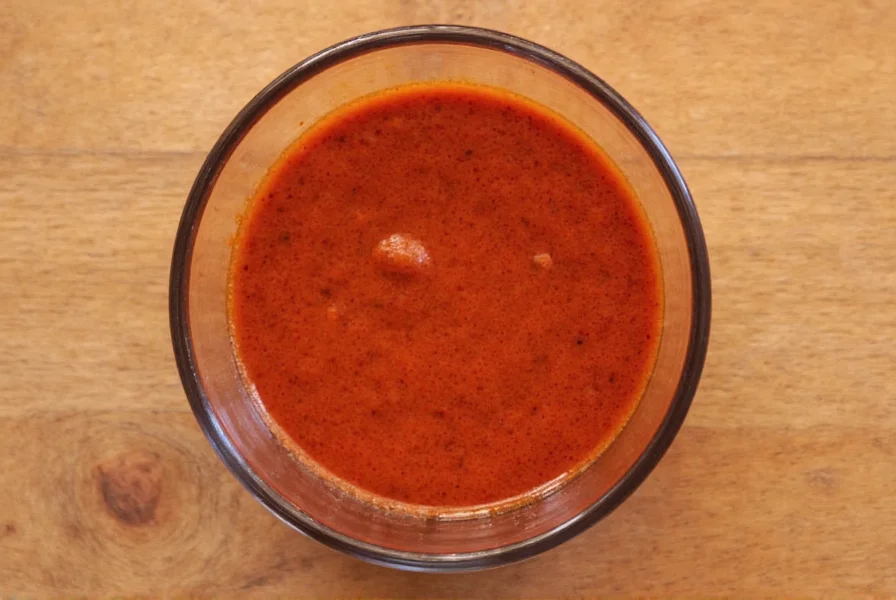
- Smooth Texture: Whether creamy or thin, it should coat your tongue without grit.
- Acidic Kick: Often achieved with lime juice or vinegar to brighten the overall flavor.
Creative Ways to Use Guajillo Sauce in Your Kitchen
From tacos to grilled cheese, here are five unexpected ways to incorporate chile guajillo sauce into your daily meals:
- Taco Drizzle: Elevate your street tacos with a quick drizzle of guajillo-lime crema.
- Marinade Magic: Mix with olive oil, garlic, and cumin for a zesty meat rub.
- Dipping Delight: Blend with sour cream or mayonnaise for a spicy chip dip.
- Breakfast Boost: Stir into scrambled eggs or spoon over avocado toast.
- Grilled Cheese Upgrade: Add a few drops to your cheese mixture for a smoky twist.
Buying Guide: How to Choose the Best Guajillo Sauce
When shopping for chile guajillo sauce, not all bottles are created equal. Here's a breakdown of top products on the market, tailored to different needs:
| Brand | Flavor Notes | Use Case | Best For |
|---|---|---|---|
| El Yucateco Guajillo | Classic smoky and tangy with a touch of vinegar | Taco toppings, bean dips | Casual cooks looking for authenticity |
| Don Pepe Salsa de Chile Guajillo | Thicker texture with roasted garlic notes | Pasta sauces, enchiladas | Chefs seeking versatility |
| Ranchero Guajillo Hot Sauce | Bright acidity with subtle sweetness | Scrambled eggs, burrito bowls | Health-conscious eaters |
| La Costeña Salsa Guajillo en Vasito | Mild and balanced, great for beginners | Snacking with chips or on sandwiches | Kids and mild-spice lovers |
| Los Poblanos Artisan Guajillo | Complex, layered flavors with herbal hints | Fine dining, gourmet dishes | Foodies and culinary pros |
DIY at Home: Easy Guajillo Sauce Recipes for Every Occasion
If you prefer to make your own, here’s a simple yet flavorful chile guajillo sauce recipe you can tweak to suit your taste:
Classic Homemade Guajillo Sauce
- 6 dried guajillo chilies (stemmed and seeded)
- 2 cloves garlic
- 1 small onion
- 1 tsp ground cumin
- 1 tbsp apple cider vinegar
- Salt to taste
- 1 cup water
- Toast chilies in a dry pan until fragrant (about 2 minutes).
- Soak in hot water for 20 minutes.
- Blend all ingredients until smooth.
- Strain through a fine mesh sieve for a silky texture.
- Store in a sealed jar for up to two weeks in the fridge.
Guajillo Beyond Borders: International Flavors with a Mexican Twist
Spices know no borders—and neither does chile guajillo sauce. Try these global-inspired recipes that give a nod to international cuisines while keeping that signature guajillo kick:
- Guajillo Goulash: Swap paprika with guajillo sauce for a smoky Hungarian stew.
- Thai-Style Guajillo Curry: Use as a base in green curry for an extra layer of flavor.
- Moroccan Meets Mexican: Stir into couscous or lentil stews for warmth and depth.
- Italian Fusion Pasta: Toss with olive oil, cherry tomatoes, and guajillo sauce for a spicy twist.
- Asian Glazed Ribs: Combine with soy sauce and honey for a savory-sweet glaze.
Final Thoughts: Is Guajillo Sauce Worth the Hype?
There’s a reason why chile guajillo sauce has stood the test of time. From ancient markets to modern kitchens, its versatility and rich flavor make it a must-have in any spice lover’s arsenal. Whether you buy it off the shelf or whip it up at home, one thing’s certain: this sauce adds more than just heat—it brings history, culture, and soul to every bite.
Ready to spice up your cooking? Grab a bottle (or make your own), and let the magic of guajillo take center stage in your next meal!




 浙公网安备
33010002000092号
浙公网安备
33010002000092号 浙B2-20120091-4