
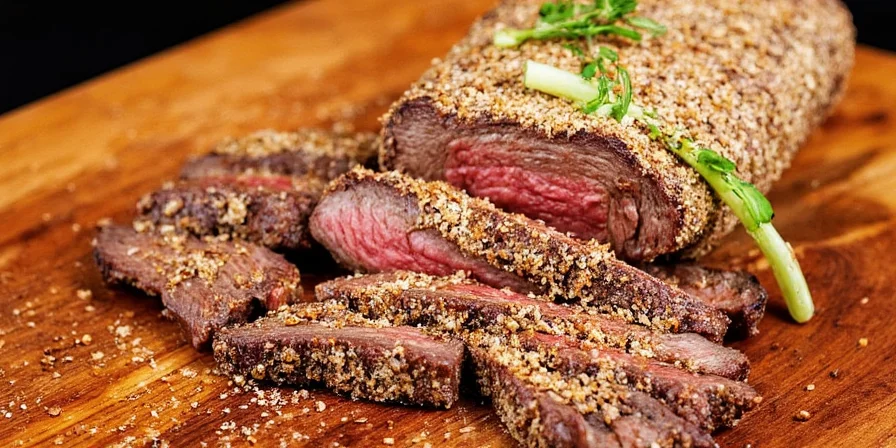
From Spice Cabinet to Sizzle: The Secret Behind Montreal Steak Seasoning
Description
Welcome to a savory journey through the aromatic world of spices with our focus on one of the most beloved seasonings in modern cuisine — Montreal Steak Seasoning. In this article, we’ll explore not only its rich history but also how you can easily recreate this flavorful blend at home. Whether you’re a professional chef or an adventurous home cook, this recipe is sure to elevate your next steak night!
Table of Contents
- What Is Montreal Steak Seasoning?
- Ingredients You Will Need
- Step-by-Step Recipe
- Tips and Variations
- Why It Works So Well
- Pairing with Food
- Storage and Shelf Life
- Final Thoughts
What Is Montreal Steak Seasoning?
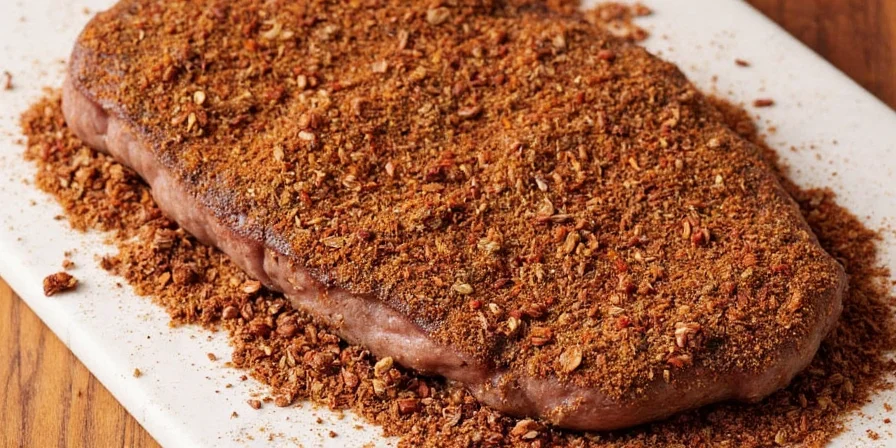
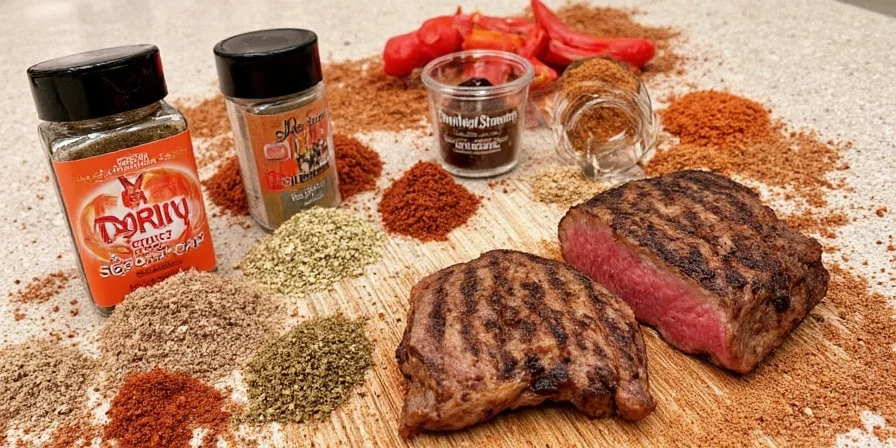
Made famous by the iconic Steak Frites found in Montreal bistros, this seasoning blend combines a perfect balance of salt, pepper, garlic, onion, coriander, and crushed red pepper flakes. The result? A punchy, garlicky, slightly spicy mixture that enhances the flavor of any cut of meat without overpowering it.
A Brief History
Born out of the Jewish delis and steakhouses of Montreal in the 1940s and 50s, this seasoning was originally used to make thin, grilled flank steaks more exciting. Over time, it became so popular that it was commercialized and exported globally. Today, chefs and home cooks alike swear by its bold flavor profile.
Ingredients You Will Need
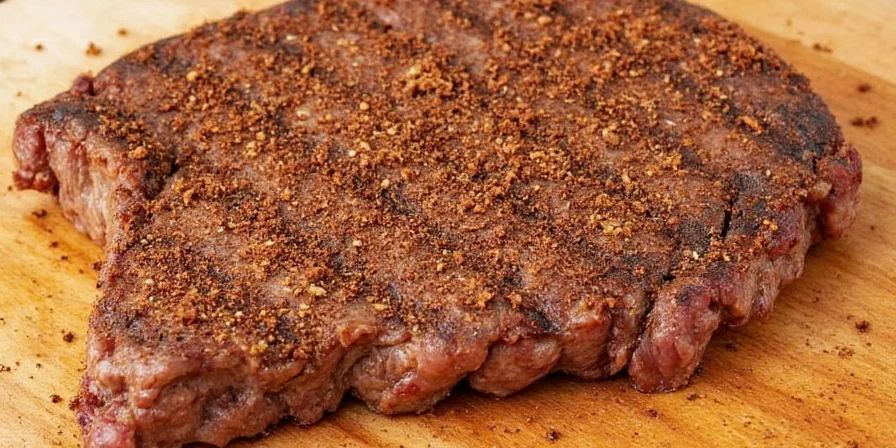
This homemade version keeps things simple yet flavorful. Here’s what you’ll need:
- Salt (coarse sea salt recommended)
- Black pepper (freshly ground for best results)
- Garlic powder
- Onion powder
- Coriander seeds (ground)
- Dried mustard powder
- Crushed red pepper flakes (adjust to taste)
Variation Alert!
If you want to get creative, some versions add paprika, thyme, or even a dash of lemon zest for brightness. More on variations later!
Step-by-Step Recipe
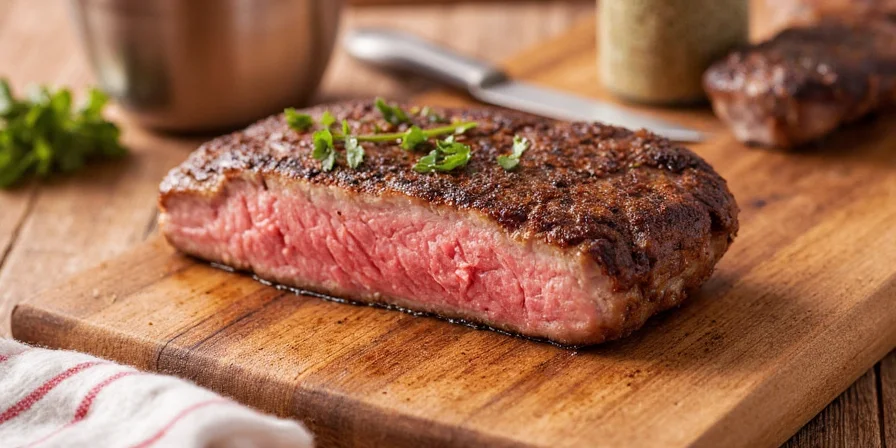
Let’s dive into the easy-to-follow process for making your own Montreal steak seasoning from scratch.
- Gather all ingredients and tools (measuring spoons, mixing bowl, airtight container).
- In a small bowl, combine 2 tablespoons of coarse sea salt.
- Add 2 tablespoons of freshly ground black pepper.
- Toss in 1 tablespoon of garlic powder and 1 tablespoon of onion powder.
- Grind 1 teaspoon of coriander seeds and add them to the mix.
- Include 1 teaspoon of dried mustard powder for depth and a hint of heat.
- Finally, stir in ½ teaspoon of crushed red pepper flakes. Adjust if you prefer more or less spice.
- Mix everything thoroughly until well combined.
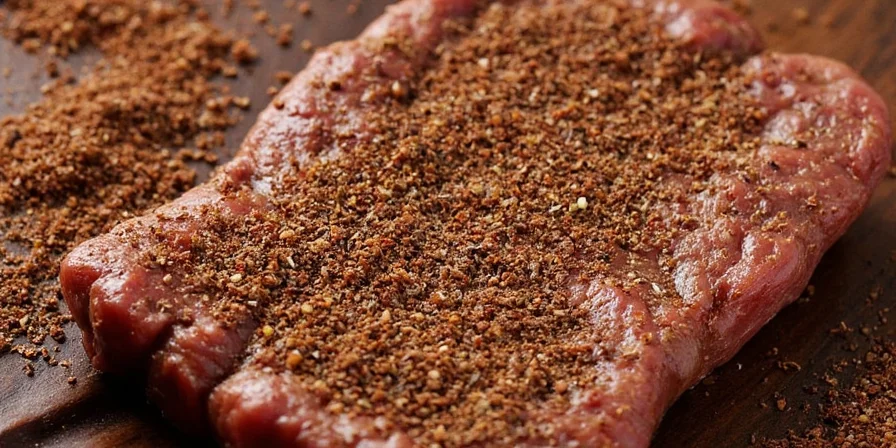
- Store in an airtight jar or shaker bottle for easy use.
Tips and Variations
To help you tailor this spice blend to your taste buds, here are some expert suggestions:
- For Smoky Lovers: Add ½ teaspoon of smoked paprika for a campfire-like flavor boost.
- Herb Infusion: Crush a few sprigs of dried thyme or rosemary and add them to the mix before grinding.
- Citrus Twist: Zest half a lemon or lime and let it dry completely before blending in for a fresh note.
- Umami Boost: Add a pinch of monosodium glutamate (MSG) or a teaspoon of nutritional yeast for deeper flavor layers.
- Spice Level Control: Adjust red pepper flakes based on your heat tolerance. Start low and increase gradually.
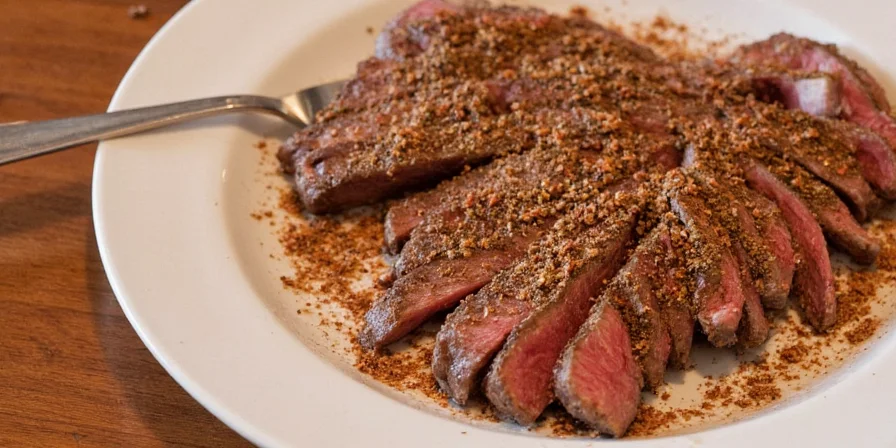
| Variation | Extra Ingredient(s) | Flavor Profile |
|---|---|---|
| Classic Blend | None | Garlicky, peppery, slightly spicy |
| Smoky Version | Smoked Paprika | Rich, earthy, smoky undertones |
| Herb-Infused | Dried Thyme/Rosemary | Fragrant, Mediterranean twist |
| Citrus Twist | Lemon/Lime Zest | Fresh, bright, complex |
| Umami Bomb | MSG/Nutritional Yeast | Deeper, savory flavor base |
Why It Works So Well
The beauty of Montreal steak seasoning lies in its **balanced flavor**. Salt enhances juiciness, garlic and onion provide sweetness, coriander adds citrusy warmth, and pepper brings heat. The mustard and chilies deliver subtle complexity that builds with each bite.
Science Meets Flavor
- Salt: Enhances natural flavors and helps form a crust when searing.
- Garlic & Onion Powder: Offer savory, umami-rich notes that meld beautifully with beef fats.
- Coriander: Adds floral, citrusy tones that cut through richness.
- Pepper Flakes: Provide a slow-burn heat that complements fatty cuts.
- Mustard: Adds tang and binds other flavors together, acting almost like a glue.
Pairing with Food
Montreal steak seasoning isn’t just for steak! Use it on the following dishes for a flavor-packed experience:
- Grilled Chicken: Rub it under the skin for extra zing.
- Pork Chops: Adds a savory-spiciness that pairs great with apple sauces.
- Roasted Vegetables: Especially eggplant, zucchini, and bell peppers.
- Eggs: Sprinkle over scrambled eggs or shakshuka for a breakfast twist.
- French Fries: Toss warm fries with a bit of the seasoning for a Montreal-style snack.
Storage and Shelf Life
Proper storage is key to maintaining flavor and potency:
- Store in an airtight container away from sunlight and moisture.
- Keep it in a cool, dark place like a pantry or cupboard.
- Label the jar with the date you made it.
- Shake well before each use to keep the spices evenly distributed.
- Expect a shelf life of about 6 months before flavors begin to fade.
Final Thoughts
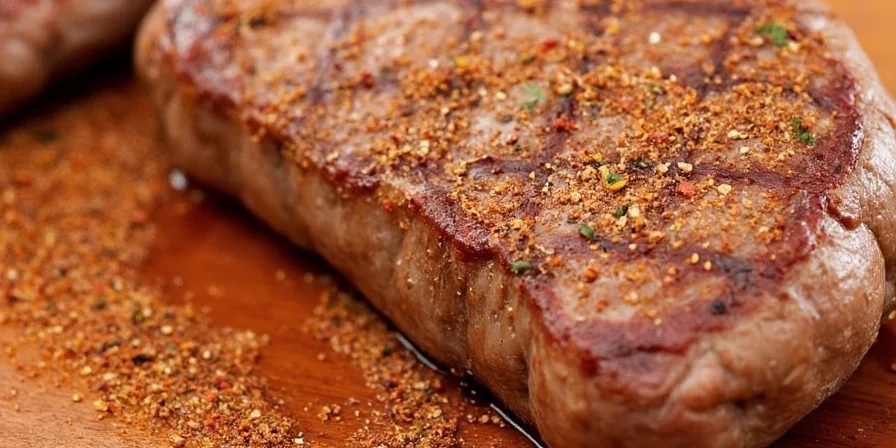
Making your own Montreal steak seasoning is not only simple but incredibly rewarding. Once you’ve mastered this classic blend, you’ll never look back at store-bought mixes again. Whether you’re grilling outdoors, pan-searing indoors, or spicing up your snacks, this versatile seasoning is a must-have in your culinary arsenal.
Quick Recap
- Balance is key — don’t overdo any single ingredient.
- Experiment with variations to suit your taste.
- Don’t forget to label and date your spice jars.
- Use liberally — but mindfully — on meats and vegetables alike.
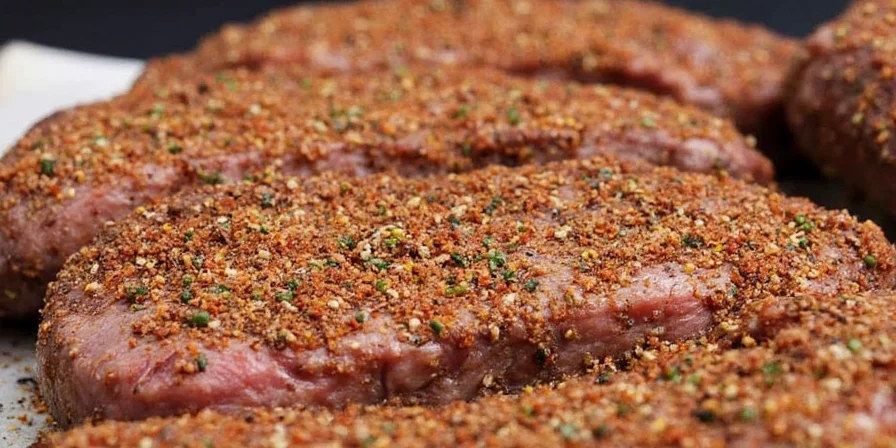
Conclusion
There’s no doubt that Montreal steak seasoning has carved its name into the hearts of spice lovers around the globe. Its bold, balanced, and beautiful blend makes every bite memorable. By crafting your own, you open the door to endless flavor possibilities. Whether you're a seasoned pro or just starting out, this DIY project is a delicious way to connect with global spice traditions while putting your personal stamp on every dish you create.




 浙公网安备
33010002000092号
浙公网安备
33010002000092号 浙B2-20120091-4