
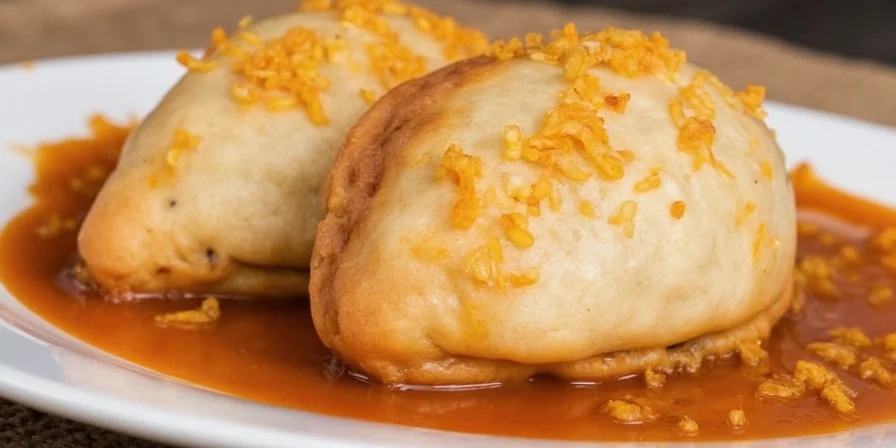
Empanada Enlightenment: 7 Spicy Secrets to Mastering Puerto Rican Empanadas at Home
Welcome, spice lovers and kitchen warriors! Today we're diving deep into the delicious world of Puerto Rican empanadas. Whether you’re a seasoned chef or someone who just discovered the joy of frying dough, this article promises to be your flavor-filled compass. Get ready for a culinary journey that’s packed with heat, history, and heaps of helpful tips!
Table of Contents
- Introduction: What Makes Puerto Rican Empanadas Special?
- A Dash of History: The Origins of Empanadas in Puerto Rico
- Essential Ingredients for Authentic Flavor
- Cooking Techniques: From Folding to Frying
- Spice Spotlight: How to Amp Up the Heat
- Serving Suggestions & Dipping Sauces
- FAQs: Common Questions Answered
- Conclusion: Roll Out Your Own Empanada Adventure
Introduction: What Makes Puerto Rican Empanadas Special?
If you’ve ever bitten into a perfectly golden empanada, you know there’s magic inside that crispy shell. But what makes the Puerto Rican version stand out? It’s all about the marriage between Caribbean flavors and Spanish influence — plus a sprinkle of island soul.
A Dash of History: The Origins of Empanadas in Puerto Rico
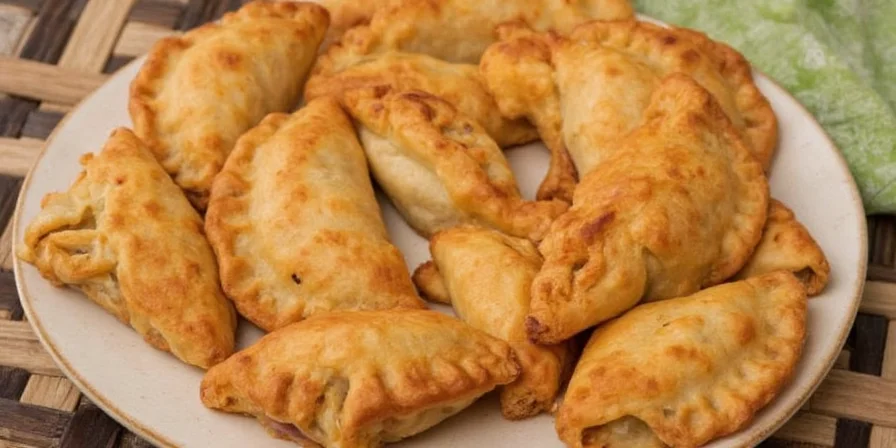
Empanadas made their way to Puerto Rico from Spain, but over time, locals infused them with tropical flair. Think plantains, sofrito, and fiery peppers like ají dulce. They became a staple in family gatherings, festivals, and even street food markets.
| Region | Key Influences | Distinguishing Features |
|---|---|---|
| Puerto Rico | Spanish + African + Taíno | Crispy dough, savory fillings, use of sofrito |
| Argentina | Italian | Baked or fried, often stuffed with beef |
| Mexico | Indigenous | Braised meats, mild spices |
Essential Ingredients for Authentic Flavor
You can’t fake authenticity — especially when it comes to flavor-packed dishes like Puerto Rican empanadas. Here’s a list of must-haves:
- Sofrito (the holy grail of Puerto Rican cooking)
- Ají dulce or substitute with mild chili
- Ground beef or chicken
- Garlic and cumin
- Olives and raisins (for a sweet-savory twist)
- Empanada dough (store-bought or homemade)
- Frying oil (vegetable or canola works best)
Cooking Techniques: From Folding to Frying
Now let’s talk method. Making empanadas is part art, part science. Here’s how to get it right:
- Knead the dough: If making from scratch, rest it for at least 30 minutes.
- Roll it thin: Aim for 1/8-inch thickness so it fries evenly without tearing.
- Fill it smart: Don’t overstuff — trust us, you’ll thank yourself later.
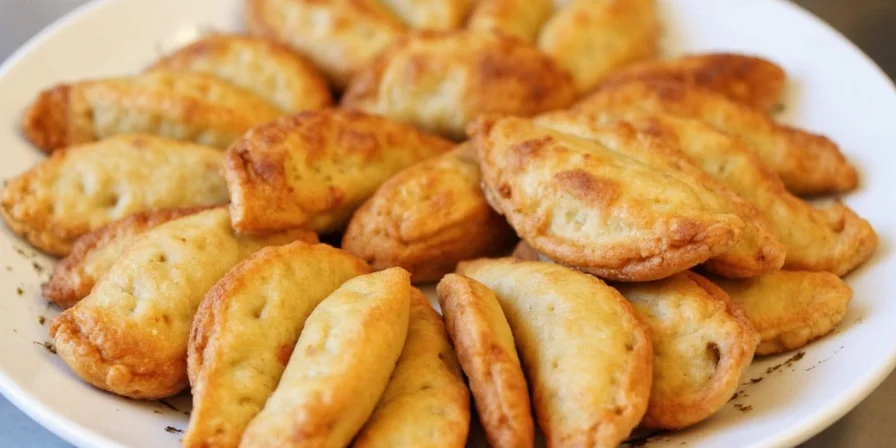
- Fold with finesse: Seal edges using a fork or by hand — practice makes perfect.
- Fry to golden perfection: Oil should be around 350°F (175°C) for that crispy bite.
Spice Spotlight: How to Amp Up the Heat
Puerto Rican cuisine may not be known for extreme heat, but that doesn’t mean you can’t turn up the temperature. Here’s how to do it responsibly:
- Add finely chopped Scotch bonnet or habanero for serious kick
- Use hot paprika or pimentón for smoky heat
- Incorporate dried chili flakes into the dough
- Offer a side of guacamole or spicy mayo for extra punch
Serving Suggestions & Dipping Sauces
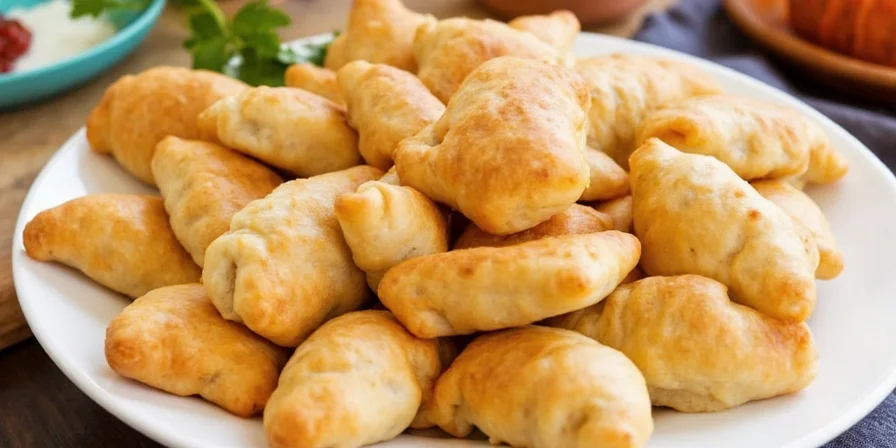
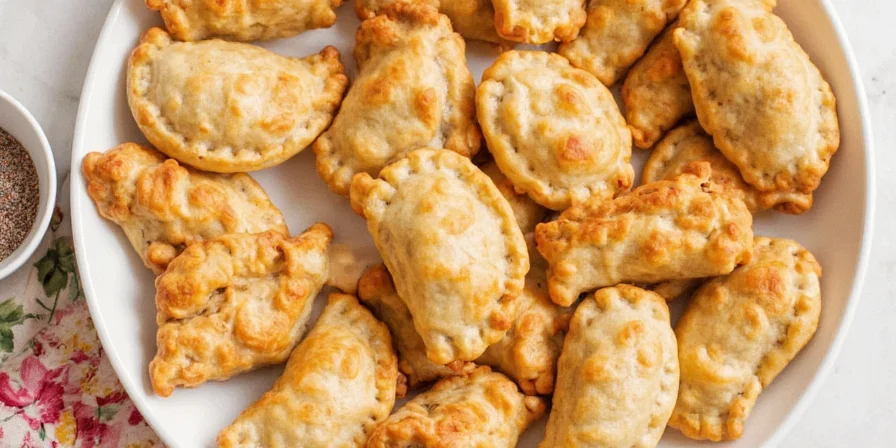
Once those golden beauties hit the plate, don’t forget the finishing touch: sauces! Try these pairings:
| Empanada Filling | Recommended Sauce | Flavor Profile |
|---|---|---|
| Beef | Piquant pepper sauce | Rich + tangy |
| Chicken | Lime crema | Creamy + citrusy |
| Seafood | Garrapiñadas (sweet chili glaze) | Sweet + spicy |
FAQs: Common Questions Answered
Can I bake instead of fry?
Absolutely! Brush with egg wash and bake at 375°F (190°C) until golden — just note they won’t be as crispy.
How long do they last?
Store in an airtight container for up to 3 days. Reheat in oven or air fryer for best results.
Can I freeze uncooked empanadas?
Yes! Freeze them on a tray first, then transfer to bags. Fry or bake directly from frozen — just add a couple extra minutes.
Conclusion: Roll Out Your Own Empanada Adventure
There you have it — your complete guide to mastering Puerto Rican empanadas with style, spice, and soul. Whether you stick to tradition or add your own twist, remember: the key ingredient is love (and maybe a little bit of garlic).
So fire up the stove, roll out the dough, and start creating empanadas that will make your taste buds sing louder than a conga drum at a beach party!




 浙公网安备
33010002000092号
浙公网安备
33010002000092号 浙B2-20120091-4