
Curry Curious? 7 Reasons Japanese Curry Powder Will Spice Up Your Life (And Kitchen)
When you hear the word "curry", your mind might immediately jump to Indian or Thai cuisine. But Japan has quietly revolutionized this global spice staple, creating something uniquely their own — a curry powder that's not just popular in Tokyo, but gaining fans all over the world.
In this article, we'll take a flavorful journey through the origins of curry powder in Japan, how it differs from other varieties, and why it’s become a pantry essential for home cooks and chefs alike. Along the way, we’ll share tips on using it, a handy buying guide, and even some mouthwatering recipes to try at home.
Table of Contents
- A Spicy Slice of History: How Curry Made Its Way to Japan
- What Makes Japanese Curry Powder Unique?
- Comparing Global Curry Powders
- 5 Creative Ways to Use Japanese Curry Powder
- Buying Guide: Top 5 Japanese Curry Powders You Need to Try
- Tasty Recipes Featuring Japanese Curry Powder
- Final Thoughts: Is Japanese Curry Powder Right for You?
A Spicy Slice of History: How Curry Made Its Way to Japan
The story of curry powder in Japan is surprisingly naval in origin. In the late 1800s, during the Meiji Restoration era, the Japanese government was modernizing its military and navy, drawing inspiration from Western powers like Britain. It was during this time that British officers introduced a modified version of Indian curry — mild, thick, and served with rice.
The Japanese navy adopted this as a way to prevent beriberi, a disease caused by vitamin B1 deficiency. Curry became a regular meal aboard ships, and eventually spread into school lunches and homes across Japan. By the 1950s, commercial curry powder blends were being produced, giving rise to the iconic Japanese curry culture we know today.
What Makes Japanese Curry Powder Unique?
Unlike its fiery Indian cousins or the aromatic Thai versions, Japanese curry powder tends to be mellow, slightly sweet, and deeply savory. The flavor profile usually includes:
- Turmeric (for that classic golden color)
- Cumin
- Fenugreek
- Ginger
- Paprika
- Coriander
- Garlic and sometimes cinnamon or allspice for warmth
These spices are carefully balanced to create a gentle yet rich flavor that complements rather than overwhelms the ingredients in a dish. The result? A comforting, umami-rich curry that pairs perfectly with rice, meat, or even bread!
Comparing Global Curry Powders
| Region | Heat Level | Flavor Profile | Common Uses | Popular Brands |
|---|---|---|---|---|
| India (South) | 🌶️🌶️🌶️ | Spicy, earthy, complex | Main dishes, stews | MDH, Everest |
| India (North) | 🌶️🌶️ | Mild to medium, creamy | Kormas, butter chicken | Bridges, Catch |
| Thailand | 🌶️🌶️🌶️🌶️ | Aromatic, herbal, chili-forward | Curries, soups | Mae Ploy, Panang |
| Japan | 🌶️ | Sweet, savory, warming | Rice bowls, stews, comfort food | S&B, House Foods |
| UK | 🌶️🌶️ | Mild, buttery | Korma-style curries | Sharwood’s, Patak’s |
5 Creative Ways to Use Japanese Curry Powder
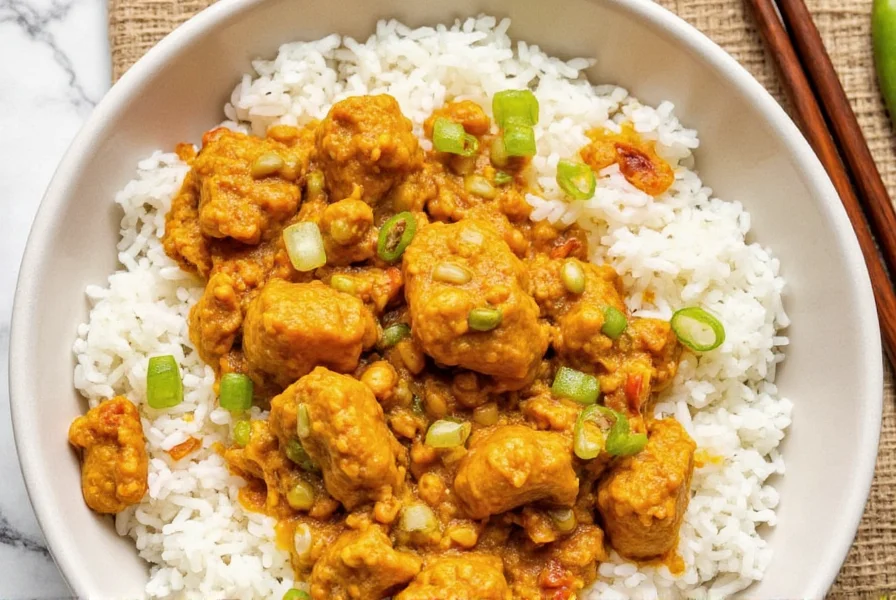
- Classic Kare Raisu (Curry Rice): This is the most well-known application. Simply cook your veggies and protein in the curry powder and simmer into a thick sauce before serving over rice.
- Curry Croquettes: Mix leftover curry into mashed potatoes, form into balls, coat in panko, and fry for a crunchy treat.
- Curry Udon or Ramen Boost: Add a pinch of curry powder to your broth for an instant depth of flavor and a hint of warmth.
- Curry Popcorn: Toss freshly popped popcorn with melted butter and a generous shake of Japanese curry powder for a fun, snackable twist.
- Curry Mayo: Mix curry powder into mayonnaise and use as a sandwich spread, burger topping, or dipping sauce for fries.
Buying Guide: Top 5 Japanese Curry Powders You Need to Try
If you're new to the world of curry powder in Japan, choosing the right one can feel overwhelming. Here's a list of top-rated options, each with its own unique flavor and purpose:
1. S&B Golden Curry Powder
- Flavor: Mild and slightly sweet
- Best For: beginners and families
- Features: Comes in mild, medium, and hot
- Use Case: Everyday curry rice, kids' meals
2. House Foods Vermont Curry
- Flavor: Slightly tangy with a honeyed sweetness
- Best For: those who enjoy a fruity note
- Features: Includes apple and honey in the blend
- Use Case: Stews, pasta sauces, fusion dishes
3. Torokeru Curry Powder
- Flavor: Rich, complex, restaurant-quality
- Best For: cooking enthusiasts and professionals
- Features: Used by many ramen shops in Japan
- Use Case: Authentic ramen broths, premium curry dishes
4. Keishun Curry Powder
- Flavor: Robust, spicy kick
- Best For: spice lovers
- Features: Strong turmeric and cumin presence
- Use Case: Bold curries, grilled meats, roasted veggies
5. Ochiai Curry Powder
- Flavor: Balanced and versatile
- Best For: home cooks wanting flexibility
- Features: Developed by celebrity chef Hiroyuki Ochiai
- Use Case: Everything from rice to soup bases
Tasty Recipes Featuring Japanese Curry Powder

Ready to get cooking? Here are a few fan-favorite recipes that showcase the magic of Japanese curry powder:
Tonkatsu Curry Bowl
- Breaded pork cutlet
- Golden curry sauce
- Rice and pickled cabbage
- Drizzle of Tonkatsu sauce for extra flavor
Seafood Curry Udon
- Shrimp, scallops, squid
- Light coconut milk broth
- Curry-infused dashi base
- Served over chewy udon noodles
Vegan Veggie Curry
- Carrots, potatoes, bell peppers
- Coconut milk and miso paste
- Simmered in House Vermont Curry
- Serve with brown rice or quinoa
Final Thoughts: Is Japanese Curry Powder Right for You?
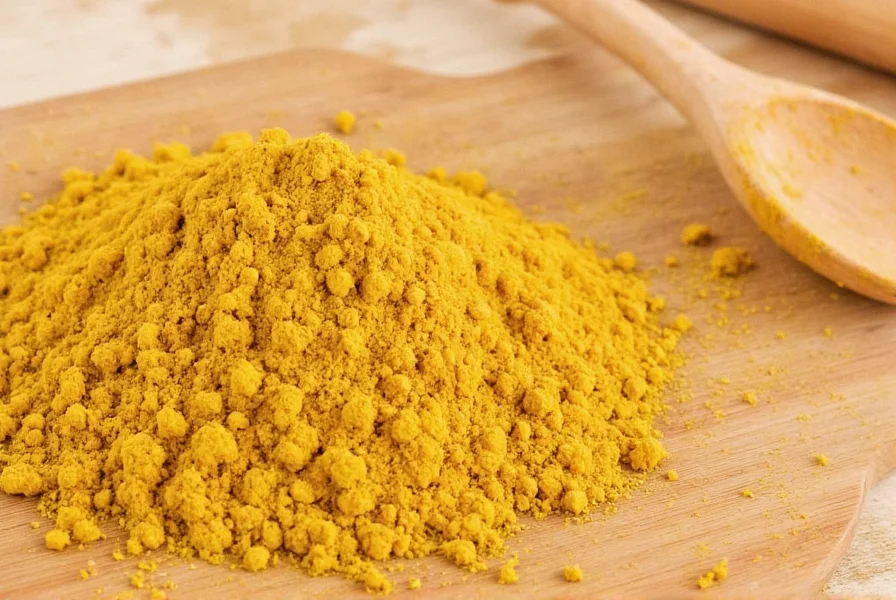
Whether you're new to the world of spices or a seasoned culinary adventurer, curry powder in Japan offers something truly special. Its mildness makes it accessible, while its depth ensures it never gets boring. From humble beginnings in the Japanese navy to becoming a cornerstone of everyday Japanese comfort food, Japanese curry has come a long way — and now it's ready to spice up your kitchen too.
So next time you're looking to add some warmth and richness to your meals, don’t reach for the same old spice blends. Grab a jar of Japanese curry powder and let the flavors do the talking. You might just discover your new favorite ingredient!




 浙公网安备
33010002000092号
浙公网安备
33010002000092号 浙B2-20120091-4