
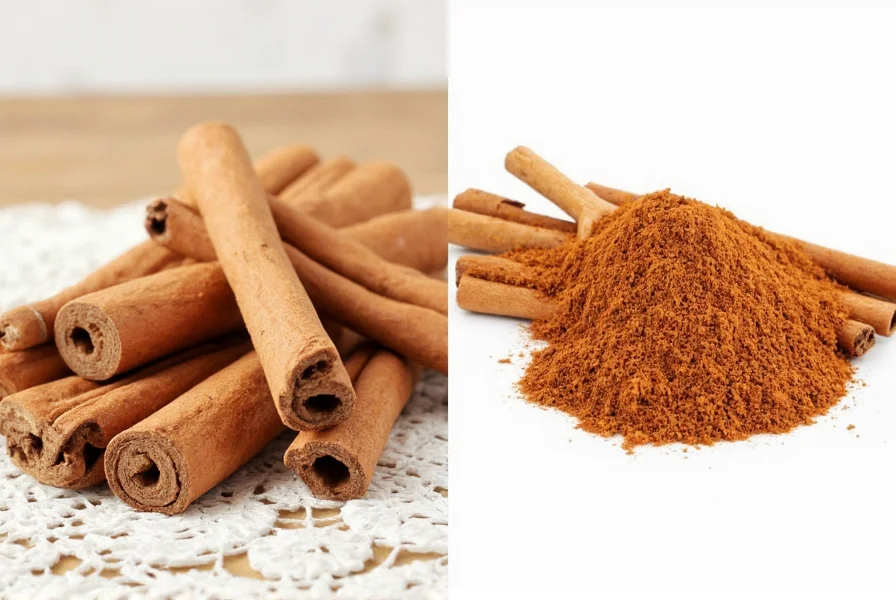
Cinnamon Showdown: Why Mexican Cinnamon Sticks Reign Supreme in the Spice World
Table of Contents
- Introduction
- What Makes Mexican Cinnamon Different?
- Top 5 Ways to Use Mexican Cinnamon Sticks
- Buying Guide: Choosing the Best Mexican Cinnamon Sticks
- Cooking with Mexican Cinnamon: Tips and Tricks
- Mexican Cinnamon in Global Traditions
- Conclusion
Introduction
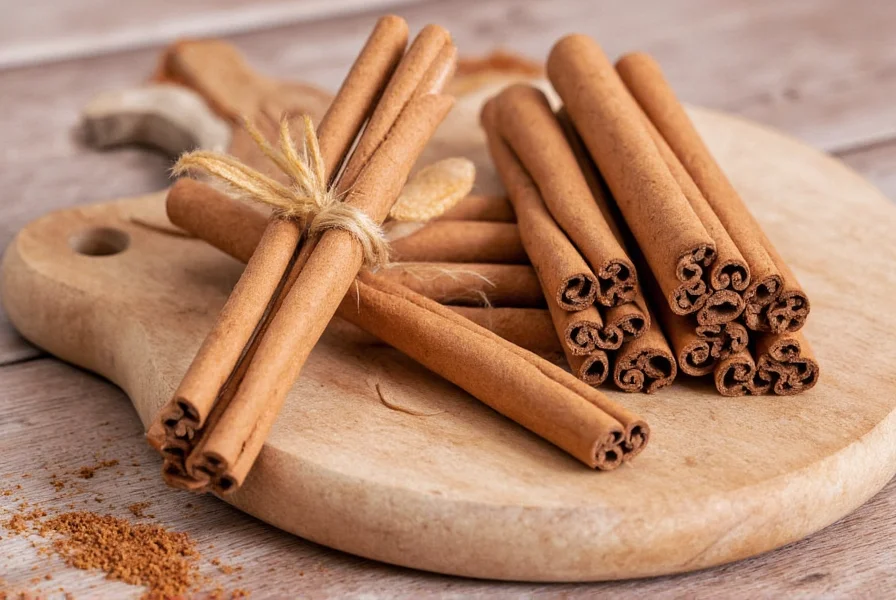
Mexican cinnamon sticks—those fragrant, crumbly, earthy-brown batons—are more than just a spice. They're a flavor revolution wrapped in bark! If you've ever wondered why your tía’s chocolate caliente or abuelita’s arroz con leche tastes like pure nostalgia, the secret often lies in those magical Mexican cinnamon sticks.
What Makes Mexican Cinnamon Different?
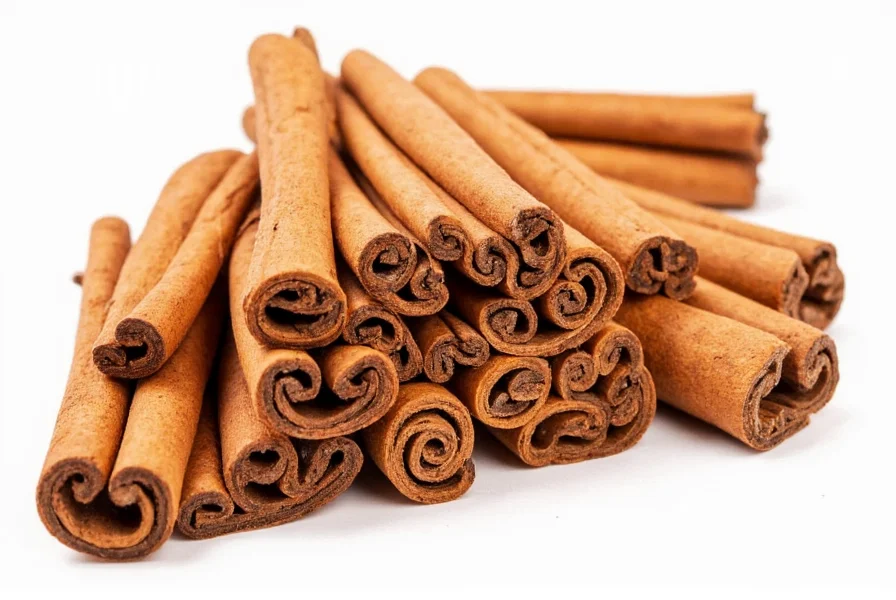
While most of the world uses Ceylon or Cassia cinnamon, Mexican cinnamon sticks are typically made from Cinnamomum cassia, but they’re processed differently. They have a rougher texture, a stronger aroma, and a slightly sweeter, spicier flavor profile that stands up beautifully to rich desserts, bold chocolates, and hearty stews.
| Type | Origin | Texture | Flavor Profile | Common Uses |
|---|---|---|---|---|
| Mexican Cinnamon | Mexico (often sourced from Indonesia or China) | Rough, flaky | Spicy, sweet, woody | Chocolate drinks, rice pudding, stews |
| Ceylon | Sri Lanka | Thin, layered | Mild, citrusy | Baking, tea |
| Cassia | China, Vietnam | Thick, hard | Strong, bitter-sweet | Curries, baked goods |
Top 5 Ways to Use Mexican Cinnamon Sticks
- Hot Chocolate: Infuse your milk or almond base with a cinnamon stick for that classic Mexican chocolate taste.
- Arroz con Leche: Simmer a stick in the rice mixture to deepen the flavor of this creamy dessert.
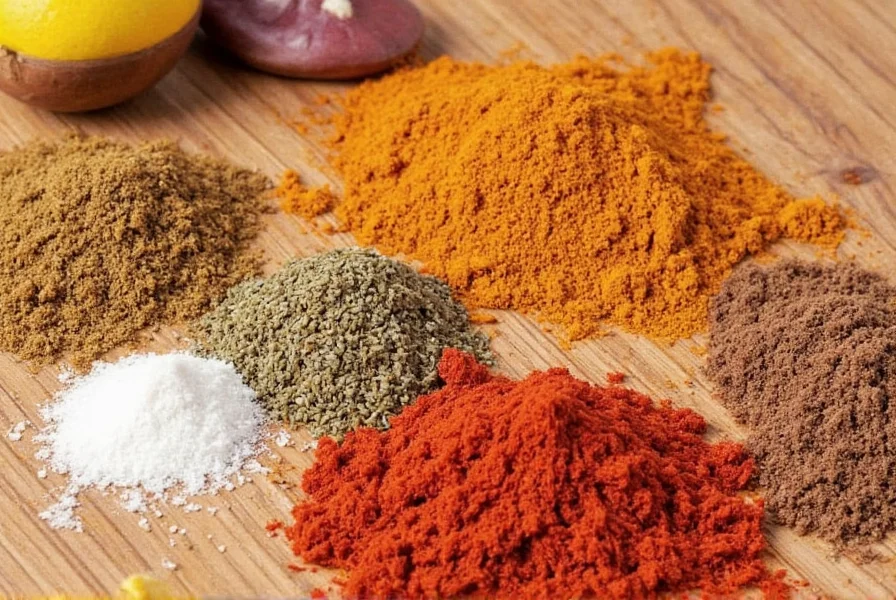
- Meat Rubs: Crush into powder and mix with chili and cumin for an unforgettable taco seasoning blend.
- Coffee Boost: Stir your morning cup with a cinnamon stick instead of sugar for a warm twist.
- Spiced Syrups: Boil sticks with sugar and water to make syrups for cocktails or drizzling over churros.
Buying Guide: Choosing the Best Mexican Cinnamon Sticks
Not all cinnamon sticks are created equal. Here’s how to spot high-quality Mexican cinnamon:
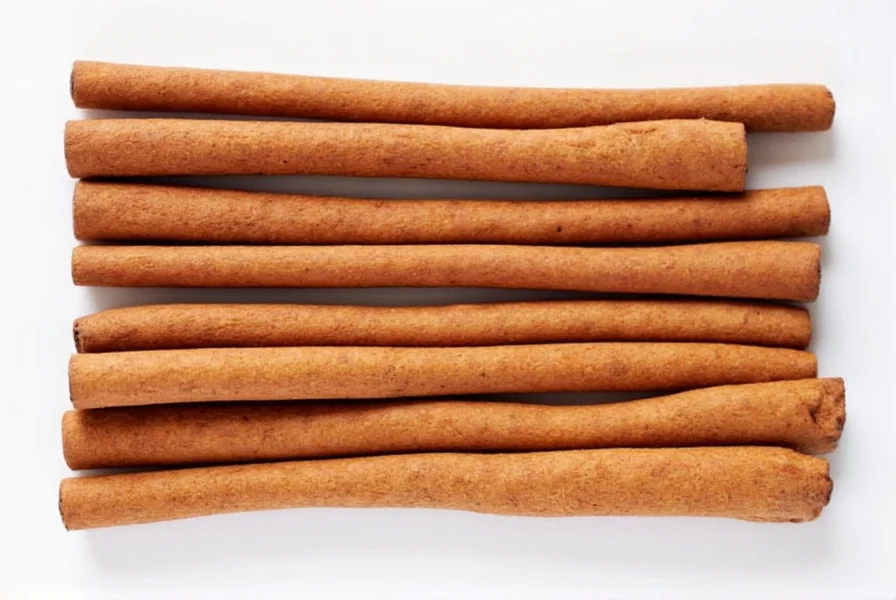
- Look for Thickness: The best ones are thick and fibrous. Thin, brittle sticks lose flavor quickly.
- Check the Bark Texture: It should be rough and flake easily when bent—not smooth or overly polished.
- Aroma is Key: Sniff it! A strong, spicy-sweet scent means it's fresh and potent.
- Read the Label: Some "Mexican" sticks are actually repackaged Cassia. Look for “canela mexicana” on the packaging.
- Organic Matters: Choose organic if possible to avoid pesticides and preservatives.
| Brand | Packaging | Origin | Features | Best For |
|---|---|---|---|---|
| La Flor de Michoacán | Vacuum-sealed pouch | Mexico (repackaged from Indonesia) | High aroma, thick sticks | Traditional Mexican cooking |
| Spice Hunter Organic | Glass jar | Global supply chain | USDA certified organic | Baking and wellness recipes |
| El Sol Canela | Plastic bag | Mexico | Economical bulk option | Daily use in soups, beverages |
Cooking with Mexican Cinnamon: Tips and Tricks
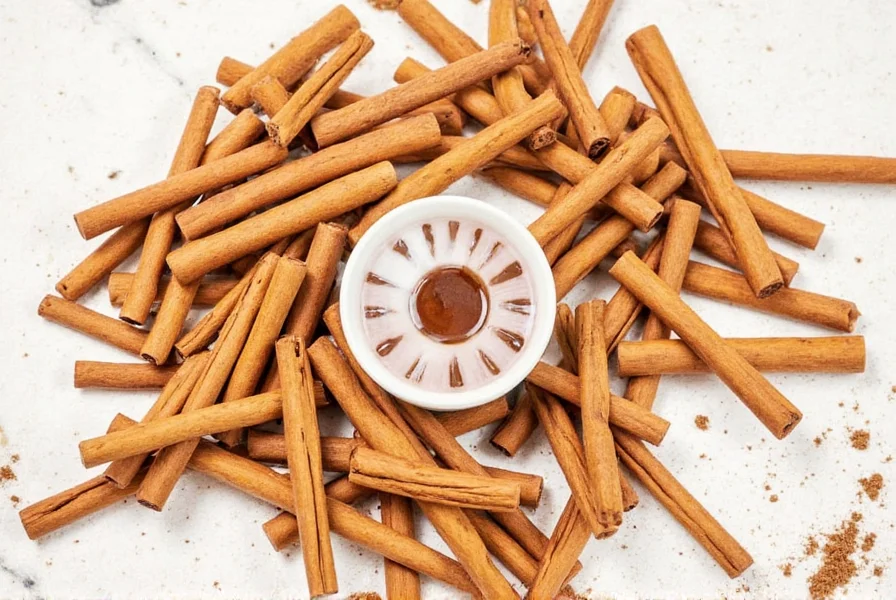
- Toasting Enhances Flavor: Briefly toast the stick over a flame or in a dry pan before using.
- Reusing Sticks: Don’t toss them after one use! Dry and reuse in mulled wine, simple syrup, or potpourri.
- Grind at Home: Break pieces into a mortar and pestle or spice grinder for custom blends.
- Pair with Chocolate: This dynamic duo is unbeatable. Try it in moles or brownies.
- Balance with Citrus: Add zest to cinnamon-based sauces or drinks for brightness.
Mexican Cinnamon in Global Traditions
Mexican cinnamon may be rooted in Latin American culture, but its influence stretches globally. In the Caribbean, it spices up festive punches. In the Middle East, it complements lamb dishes. And in modern fusion cuisine? It adds a sultry warmth to everything from chai to barbecue sauces.
- In Mexico: Used in traditional desserts and mole sauces.
- In the U.S.: Popular in fall baking and latte season.
- In Asia: Added to slow-cooked meat dishes for depth.
- In Europe: Found in artisanal hot chocolate and mulled wine.
Conclusion
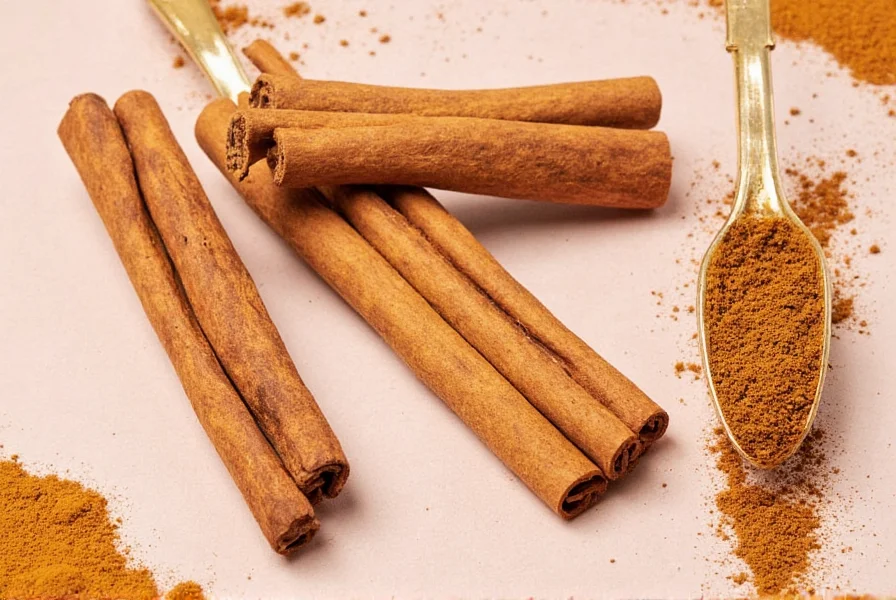
If you haven’t yet added Mexican cinnamon sticks to your pantry, now’s the time! Whether you're brewing a cozy beverage, spicing up a savory dish, or experimenting with global flavors, these sticks offer complexity, authenticity, and a touch of heritage. So go ahead—grab a bundle, break off a piece, and let the warm, sweet-spicy aroma whisk you away to the heart of Mexico.




 浙公网安备
33010002000092号
浙公网安备
33010002000092号 浙B2-20120091-4