
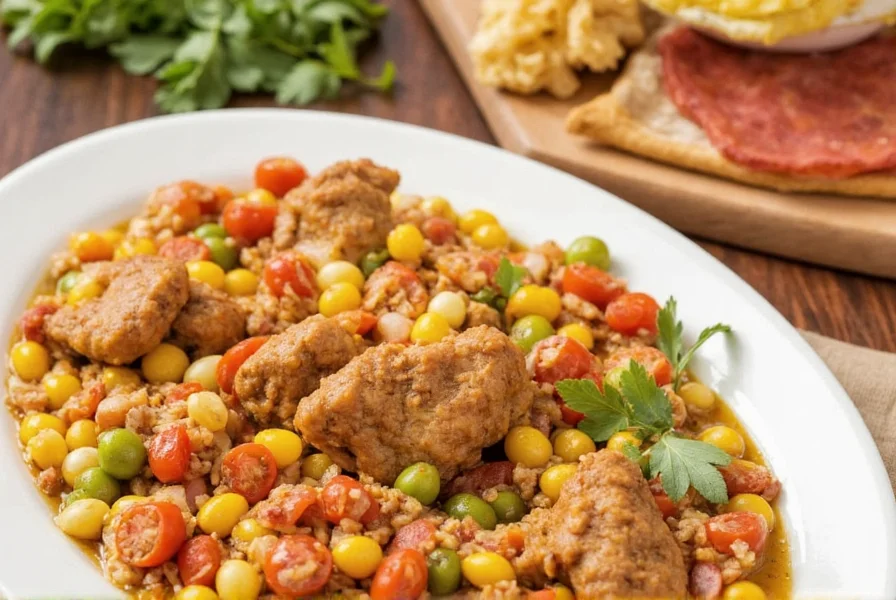
Chicken Schawarma: A Global Spiced Journey with a Side of Flavor
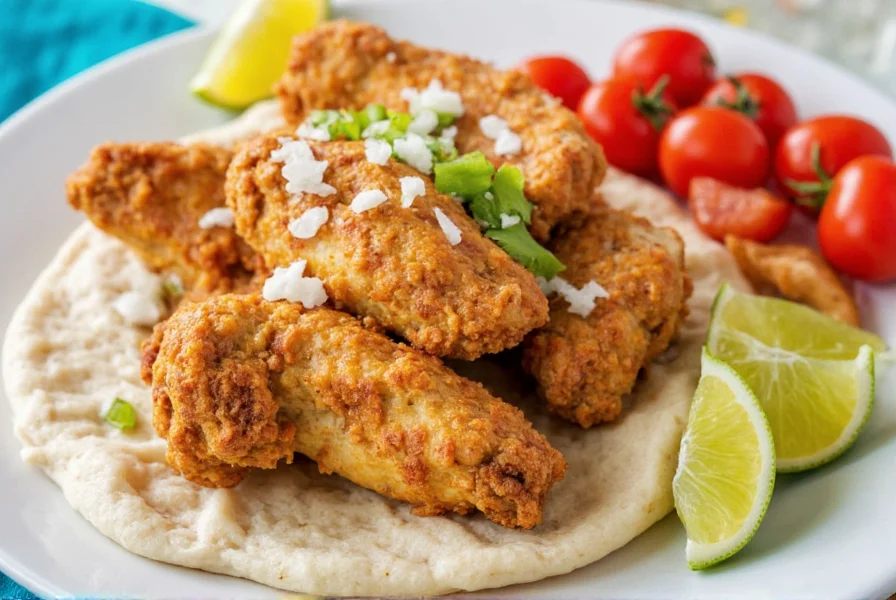
Table of Contents
- Introduction to Chicken Schawarma
- Global Spice Traditions and Chicken Schawarma
- Practical Tips for Making the Perfect Chicken Schawarma
- Buying Guide for Chicken Schawarma Ingredients
- Conclusion
Introduction to Chicken Schawarma
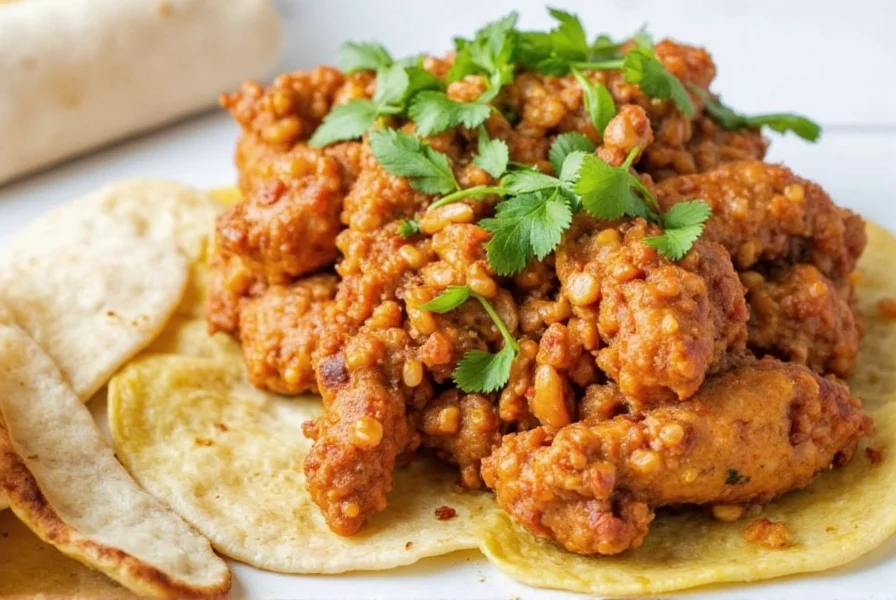
There’s something undeniably magical about chicken schawarma. This beloved Middle Eastern street food has transcended borders, becoming a global favorite that brings people together over plates of sizzling, spiced meat. Whether you're in Istanbul, New York, or Mumbai, you can find a version of this dish that reflects local tastes and traditions.
But what exactly is chicken schawarma? It's not just a meal—it's an experience. The combination of marinated chicken, grilled to perfection, and wrapped in warm flatbread with a medley of toppings makes it a flavor-packed delight. What really sets it apart, though, is the blend of spices used in the marinade. That’s where the magic happens.
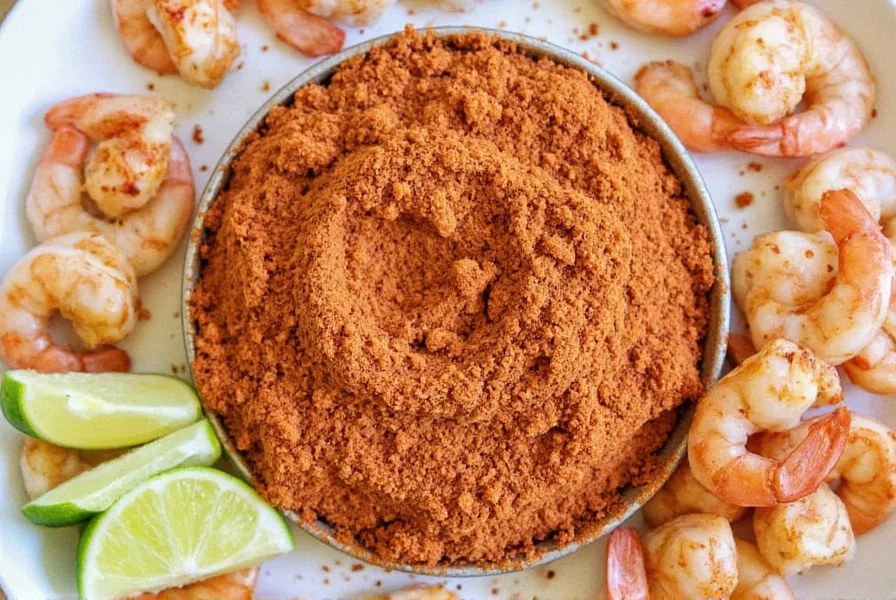
So, if you're a spice enthusiast or a curious foodie, this article is your guide to understanding the global spice traditions behind chicken schawarma—and how to make it like a pro. Let’s dive in!
Global Spice Traditions and Chicken Schawarma
While chicken schawarma originated in the Middle East, its popularity has led to countless regional variations, each influenced by local ingredients and spice traditions. The use of spices isn’t just for flavor—it’s a cultural expression of identity, history, and taste.
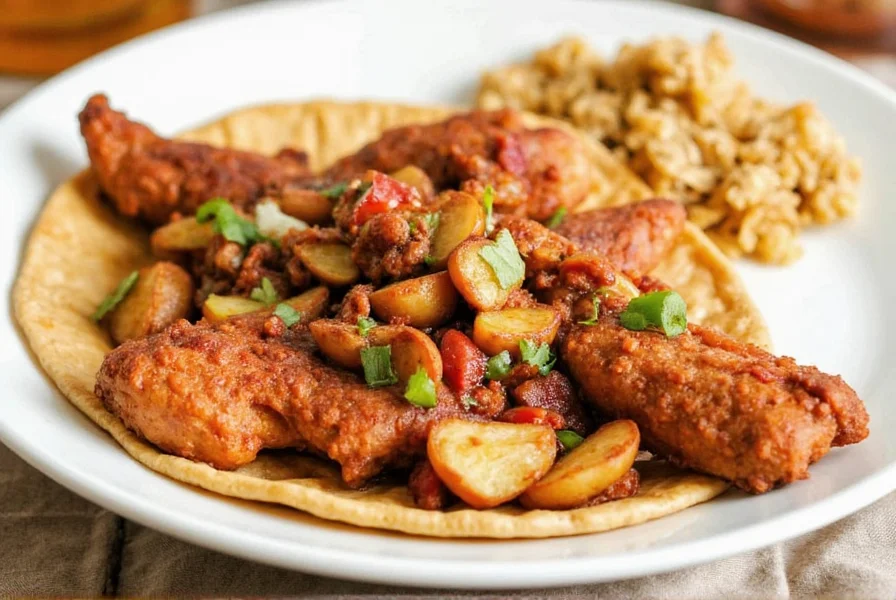
In the Middle East, chicken schawarma is often made with a mix of cumin, coriander, garlic, paprika, and sumac. These spices are not only rich in flavor but also have a long history of being used in traditional cooking. For example, sumac adds a tangy, lemony note, while paprika gives it a deep, smoky heat.
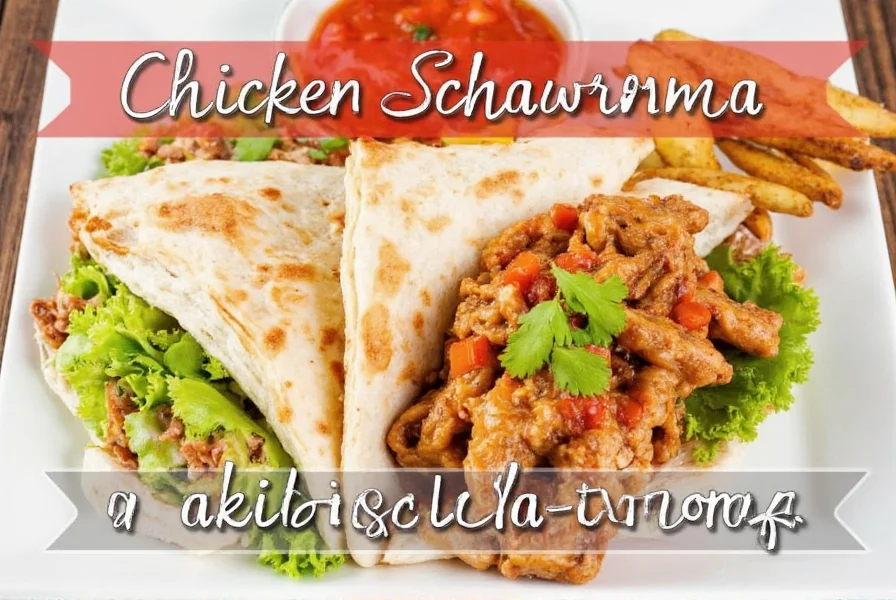
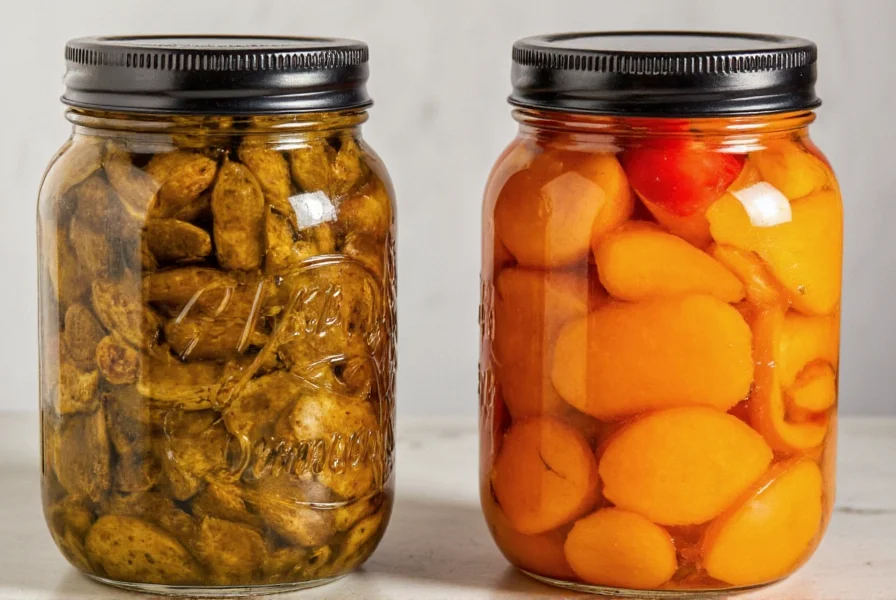
In South Asia, especially in India and Pakistan, chicken schawarma is often infused with garam masala, turmeric, and ginger. These spices bring warmth and depth, making the dish more aromatic and comforting. You might even find it topped with chutneys or pickles that add a zesty contrast.
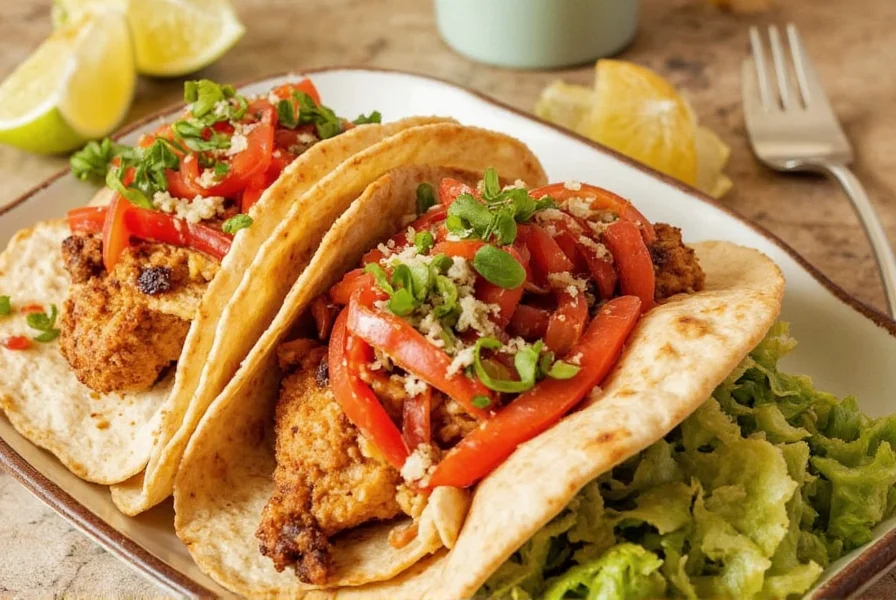
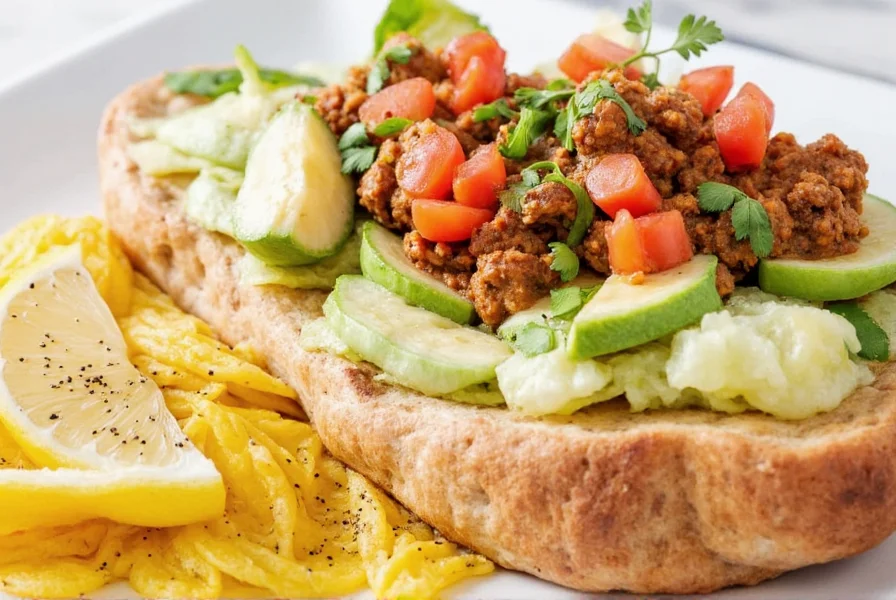
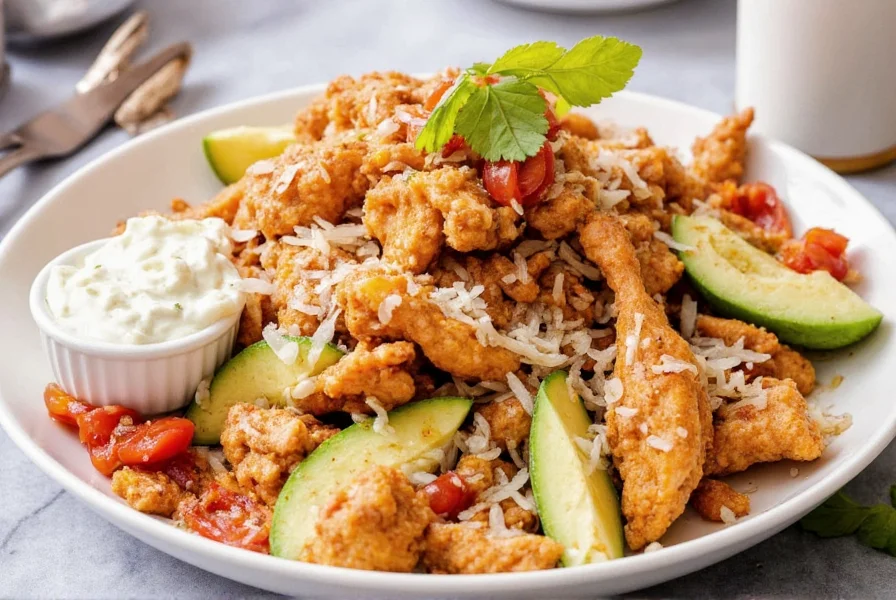
Meanwhile, in Latin America, chefs have taken inspiration from their own culinary heritage, using chili peppers, oregano, and lime juice to create a spicy, tangy twist on the classic recipe. Some versions even incorporate avocado or crema, giving the dish a creamy texture that pairs beautifully with the smoky chicken.
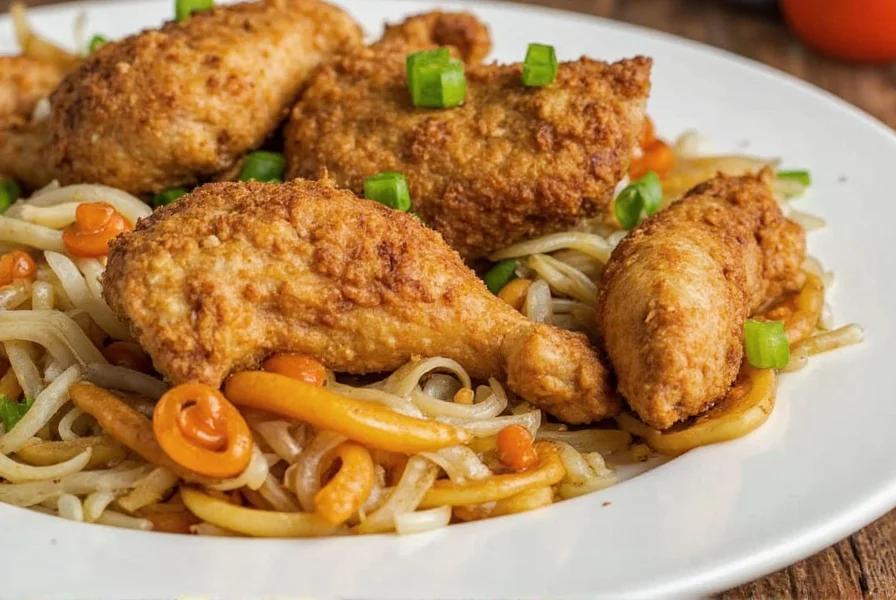
In East Asia, particularly in Japan and China, chicken schawarma is often adapted to local palates. You might find it seasoned with soy sauce, sesame oil, and five-spice powder, creating a fusion of flavors that’s both familiar and exciting.
From the bustling streets of Cairo to the vibrant markets of Mexico City, chicken schawarma is a true reflection of the world’s diverse spice traditions. And as we’ll see next, there are some practical tips that can help you recreate this dish at home.
Practical Tips for Making the Perfect Chicken Schawarma
Now that we’ve explored the global influences on chicken schawarma, let’s get into the nitty-gritty of making it at home. Here are some tried-and-true tips to ensure your chicken schawarma is bursting with flavor and texture:
1. Choose the Right Cut of Chicken
For the best results, use boneless, skinless chicken thighs. They’re juicier and more flavorful than breasts, which tend to dry out during grilling. If you want a bit of extra richness, you can opt for chicken legs instead.
2. Use a Quality Marinade
The key to great chicken schawarma is a well-balanced marinade. A good rule of thumb is to use equal parts oil, acid (like lemon juice or vinegar), and spices. Let the chicken marinate for at least 4 hours, or ideally overnight, to allow the flavors to penetrate deeply.
3. Get the Heat Right
Grill the chicken over medium-high heat. Too hot, and it will burn; too low, and it won’t develop that nice char. Aim for a sizzling grill that sears the chicken quickly, locking in moisture and enhancing the smoky flavor.
4. Slice Thinly and Evenly
When it’s time to serve, slice the chicken against the grain into thin strips. This ensures that each bite is tender and juicy. If you’re using pita bread or wraps, layer them with fresh veggies, sauces, and a generous portion of the chicken.
5. Experiment with Toppings
Don’t be afraid to get creative with your toppings! From tahini and hummus to pickled vegetables and spicy sauces, the options are endless. Try different combinations to find your perfect flavor profile.
Buying Guide for Chicken Schawarma Ingredients
If you're serious about making the best chicken schawarma, you'll need quality ingredients. Here's a detailed buying guide to help you choose the right products for your kitchen:
1. Chicken
Product: Boneless, Skinless Chicken Thighs
Features: Juicy, tender, and high in flavor.
Advantages: Less likely to dry out during cooking.
Use Cases: Ideal for grilling or roasting.
Target Audience: Home cooks and aspiring chefs.
Suitable Occasions: Weeknight dinners, casual gatherings, or as a main dish.
2. Spices
Product: Cumin, Coriander, Paprika, Garlic Powder, and Sumac
Features: Fresh, aromatic, and free from fillers.
Advantages: Enhance flavor without artificial additives.
Use Cases: Used in marinades and seasoning blends.
Target Audience: Spice lovers and culinary enthusiasts.
Suitable Occasions: Cooking sessions, spice swaps, or holiday meals.
3. Flatbread or Pita
Product: Whole Wheat Pita or Tortilla Wrap
Features: Soft, pliable, and slightly chewy.
Advantages: Holds all the ingredients without tearing.
Use Cases: Wrapping chicken and toppings.
Target Audience: Anyone who loves handheld meals.
Suitable Occasions: Picnics, quick lunches, or on-the-go meals.
4. Sauces and Condiments
Product: Tahini, Hummus, Sriracha, and Pickled Vegetables
Features: Creamy, tangy, spicy, and refreshing.
Advantages: Adds layers of flavor and texture.
Use Cases: Dipping, spreading, or mixing into the dish.
Target Audience: Flavor seekers and condiment connoisseurs.
Suitable Occasions: Any meal that needs a little extra kick.
Conclusion
Chicken schawarma is more than just a meal—it’s a celebration of global spice traditions, a symbol of cultural exchange, and a delicious way to explore the world through flavor. Whether you’re a seasoned chef or a curious foodie, there’s always something new to discover when it comes to this beloved dish.
By understanding the spices that define chicken schawarma, experimenting with different preparations, and using quality ingredients, you can bring the taste of the world to your own kitchen. So go ahead—grab your apron, fire up the grill, and enjoy the journey of flavor that is chicken schawarma.
Remember, the best part of any dish is sharing it with others. So invite friends, family, or even a few new neighbors over and let the aroma of spices and sizzling chicken bring everyone together. After all, that’s the real essence of chicken schawarma: a dish that unites people through flavor.




 浙公网安备
33010002000092号
浙公网安备
33010002000092号 浙B2-20120091-4