

Chicken Mole: A Global Spice Adventure on Your Plate
If you've ever tasted mole sauce and wondered, "How does something this complex come from a single dish?", then you're not alone. Originating from Mexico, mole (pronounced MOH-lay) is a rich, complex sauce made with multiple ingredients including spices, nuts, seeds, chocolate, and more. It's a culinary celebration of global spice traditions long before the phrase even existed.
In this article, we’ll take you through a simple chicken mole recipe, complete with pro tips, spice breakdowns, and visual comparisons to make your cooking journey both delicious and informative. So grab your apron — and maybe a spoon for tasting!
Table of Contents
- What Is Mole?
- Mole & Global Spice Traditions
- Why This Chicken Mole Recipe Works
- Ingredients You'll Need
- Step-by-Step Guide
- Pro Tips & Variations
- Common Problems (and How to Fix Them)
- Visual Comparison: Store-Bought vs Homemade Mole
- Conclusion
What Is Mole?
Mole is more than just a sauce — it’s a cultural symbol. From Oaxaca to Puebla, different regions in Mexico have their own distinct versions, each reflecting local ingredients and ancestral techniques. The most famous one, mole poblano, combines chiles, tomatoes, garlic, almonds, sesame seeds, raisins, and a touch of chocolate.
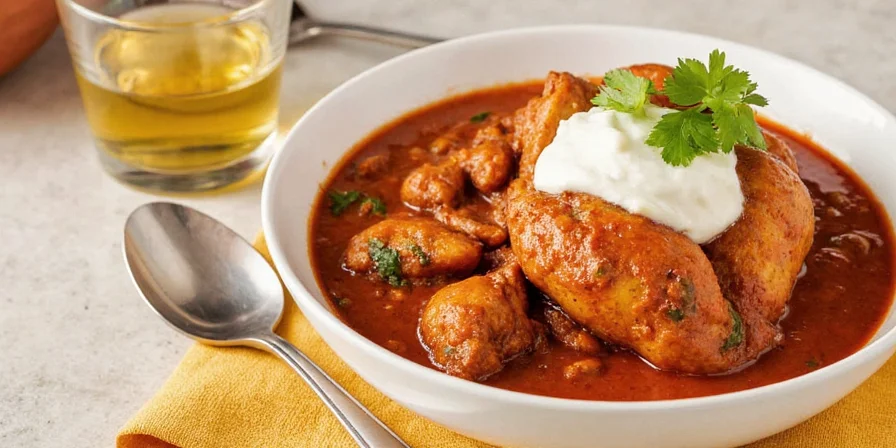
Though traditionally served over turkey or chicken during celebrations like Día de los Muertos or weddings, mole has become a beloved dish year-round — especially when simplified.
Mole & Global Spice Traditions
Mole reflects an early form of globalization. Centuries ago, Spanish colonizers brought Old World ingredients like almonds and cinnamon to the Americas, where they blended seamlessly with native chiles, corn, and cacao.
| Old World Ingredients | New World Ingredients |
|---|---|
| Cinnamon | Guajillo chiles |
| Almonds | Tomatillos |
| Black pepper | Corn tortillas |
| Raisins | Chocolate |
| Olive oil | Avocado leaves |
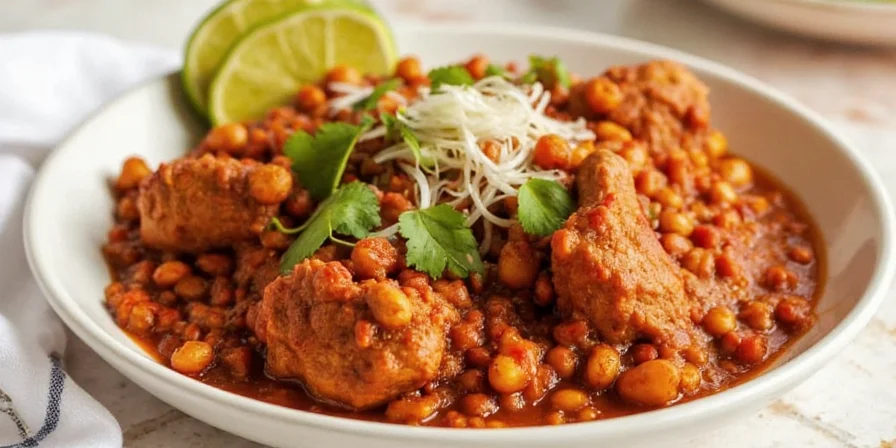
This fusion created a flavor profile that’s still revered today. Whether you’re a food historian or just love a deep, spicy-sweet kick, mole is a must-try.
Why This Chicken Mole Recipe Works
We’ve kept things approachable without sacrificing depth of flavor. Here’s what makes our version special:
- Simplified ingredient list: No need for rare chiles or exotic spices.
- Time-saving steps: We roast and simmer smartly to build flavor fast.
- Balanced flavor profile: Sweet, spicy, nutty, earthy — all in one bite.
- Versatile base: Customize to your taste or dietary needs.
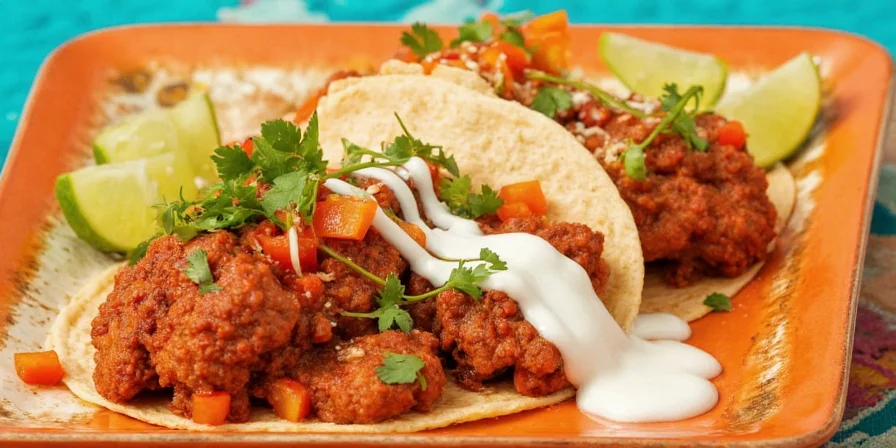
Ingredients You'll Need
You might already have some of these in your pantry! Here's what you’ll need:
- Chicken thighs (bone-in, skin-on for maximum flavor)
- Onion
- Garlic cloves
- Dried ancho chiles (mild heat with a sweet undertone)
- Dried guajillo chiles (bright red color and moderate spice)
- Tomato paste
- Ground cinnamon
- Cumin
- Almond butter or ground almonds
- Dark chocolate (unsweetened or bittersweet works best)
- Broth (chicken or vegetable)
- Salt and pepper
- Optional: Raisins, sesame seeds, orange zest
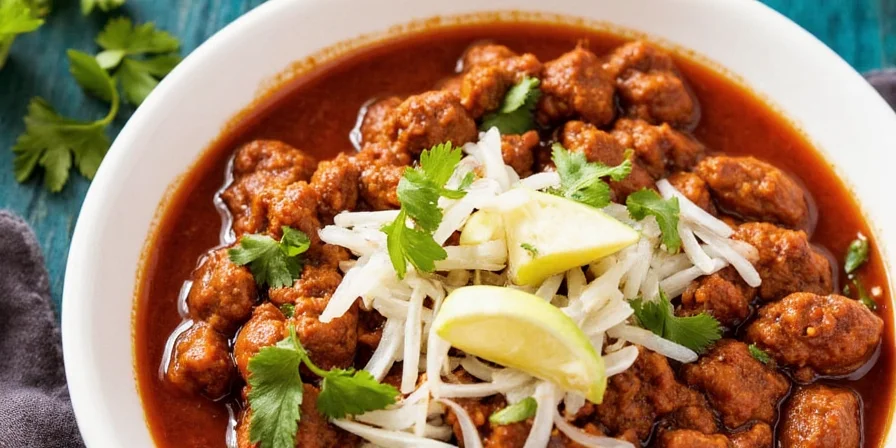
Step-by-Step Guide
- Prep the chiles: Remove stems and seeds. Toast them gently in a dry pan until fragrant but not burnt.
- Rehydrate the chiles: Soak in hot water for about 20 minutes. Drain and blend into a smooth puree.
- Roast the aromatics: Sauté onion, garlic, and tomato paste in oil until caramelized.
- Add the spice mix: Stir in cinnamon, cumin, and any optional dried herbs or citrus zest.
- Combine everything: Add the chile puree, almond butter, and broth. Simmer for 20–30 minutes to thicken.
- Melt in the chocolate: Off heat, whisk in chopped chocolate until fully incorporated.
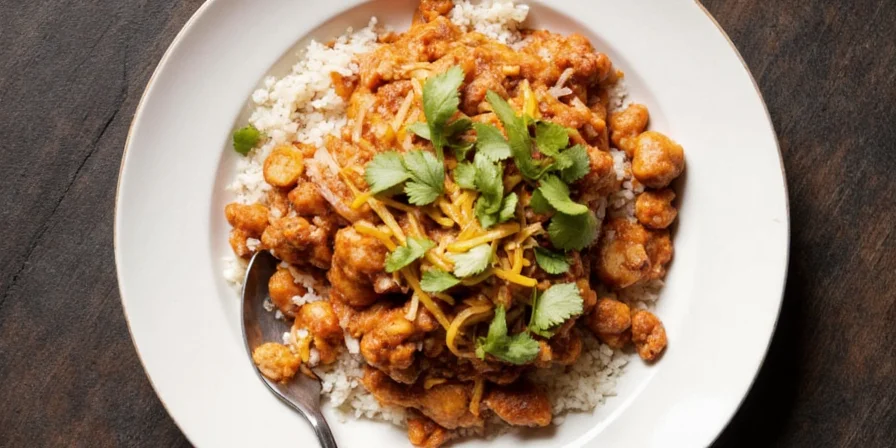
- Cook the chicken: Brown the chicken first, then simmer in the mole sauce until tender and coated.
Pro Tips & Variations
To get the most out of your mole experience, here are some insider tricks:
- Use a Dutch oven: It ensures even heating and prevents scorching.
- Toast the spices first: A quick toast in the pan enhances their aroma and complexity.
- Blend in stages: Don’t overdo it — a slightly textured mole can be more satisfying.
- Adjust the sweetness: If it’s too bitter, add a pinch of sugar or honey.
- Make it vegan: Use tofu or mushrooms instead of chicken, and substitute veggie broth and coconut yogurt for dairy if needed.
- Freeze extra mole: Portion and freeze for future meals. Thaw and reheat gently.
Common Problems (and How to Fix Them)
Even seasoned cooks sometimes hit a snag. Here’s how to rescue your mole:
| Problem | Fix |
|---|---|
| Tastes burnt | Start over — scorched bits ruin the flavor permanently. |
| Too thin | Simmer longer to reduce. Stir often to avoid sticking. |
| Too thick | Add more broth, ¼ cup at a time, until desired consistency. |
| Too bitter | Add a pinch of sugar or honey and adjust to taste. |
| Too spicy | Swirl in a bit of sour cream or yogurt, or add shredded cooked chicken to dilute heat. |
Visual Comparison: Store-Bought vs Homemade Mole
You may wonder whether it’s worth making your own mole. Let’s compare:
| Aspect | Store-Bought | Homemade |
|---|---|---|
| Flavor Depth | Moderate | Rich & Complex |
| Ingredients | Packaged, processed | Fresh, customizable |
| Prep Time | 5 mins | ~1 hour |
| Cost per serving | $1.00 | $2.50 |
| Texture | Uniform | Varied (depending on blending) |
Conclusion
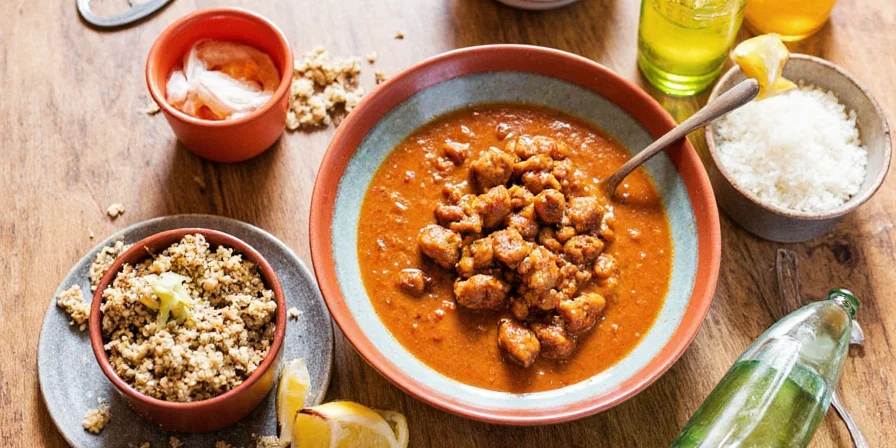
Our simple chicken mole recipe isn’t just a meal — it’s a passport to a world of flavors. From ancient Mexican roots to modern-day kitchen hacks, mole is a testament to the magic of spice blending across continents and centuries.
So go ahead: try this recipe, tweak it, fall in love with its layers of flavor, and don’t forget to invite friends over to share in the joy. Because mole was always meant to be shared — and celebrated.




 浙公网安备
33010002000092号
浙公网安备
33010002000092号 浙B2-20120091-4