
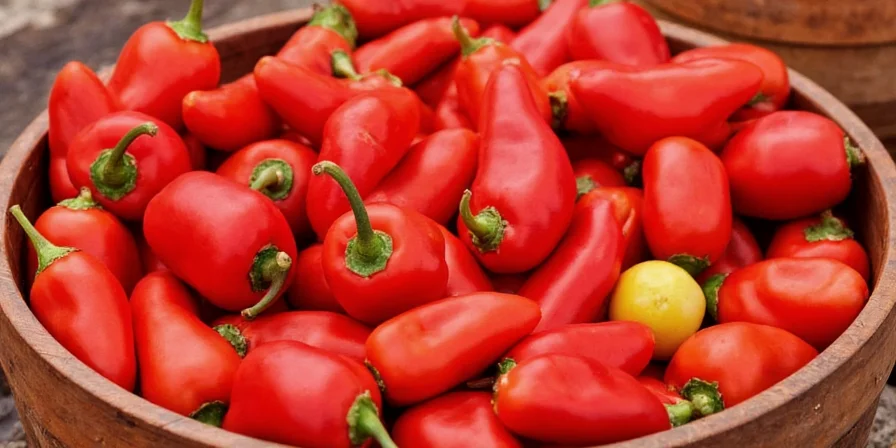
Calabrian Peppers: The Fiery Flavor Bomb from Italy’s Toe – Spicy Secrets Revealed!
If you’ve ever bitten into a pizza, pasta, or salami that delivered a perfect punch of heat with just the right balance of sweetness and smokiness, there's a good chance you’ve encountered the magic of Calabrian peppers. These little red firecrackers hail from Calabria — the toe of Italy’s boot — and they’re one of the best-kept spice secrets in the culinary world.
In this blog post, we’ll dive deep into what makes these peppers so special. We’ll explore their origins, flavor profile, popular varieties, and how to use them like a pro in your kitchen. Whether you're a spicy food enthusiast or a seasoned chef looking to add more global flair to your dishes, this guide will turn you into a Calabrian chile connoisseur in no time.
Table of Contents
- What Are Calabrian Peppers?
- Flavor Profile: Sweet, Smoky, and Slightly Sinful
- Popular Calabrian Pepper Varieties
- Culinary Uses: From Pasta to Pizza and Beyond
- Pro Tips for Using Calabrian Peppers Like a Chef
- Where to Buy & How to Store Them
- Spice Level Comparison Table
- Health Benefits You Didn’t Know About
- Conclusion: Why Every Kitchen Should Have a Jar (or Two)
What Are Calabrian Peppers?
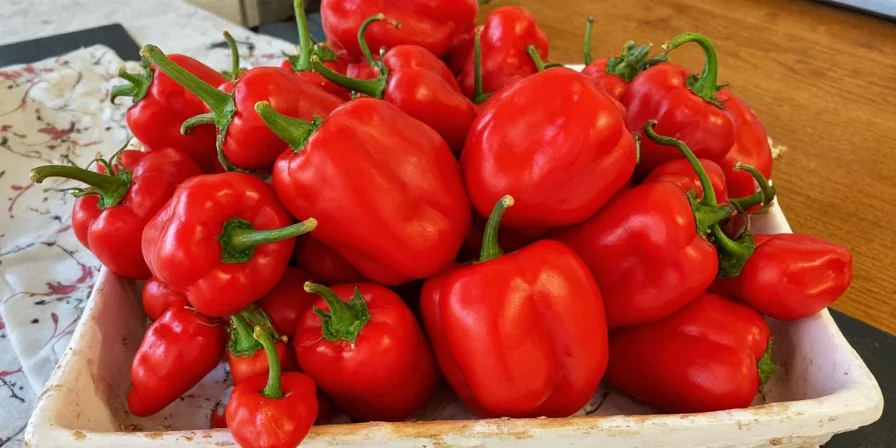
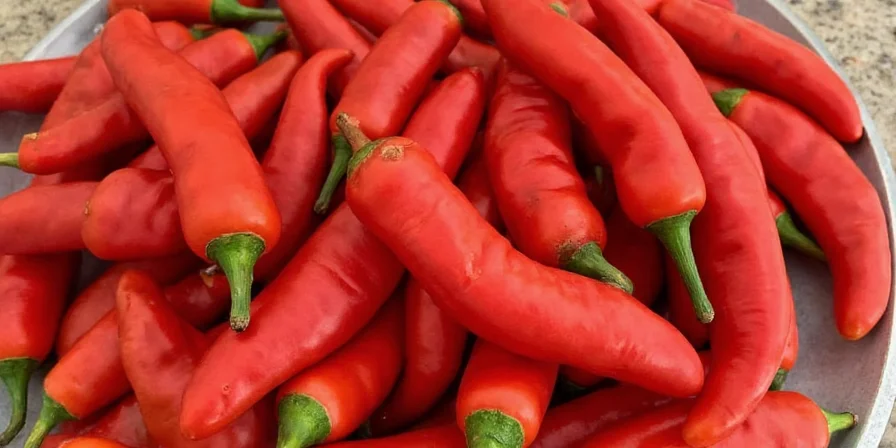
Calabrian peppers, also known as 'Ndundi, are a family of chili peppers native to the southern region of Italy called Calabria. They come in several forms — fresh, dried, crushed, or pureed — and are often packed in oil or salt to preserve their intense flavor.
Unlike many chiles that are all about heat, Calabrians offer a complex taste experience. Think of it as the difference between a pop song and a symphony: while some peppers scream “SPICY!” from the start, Calabrian peppers whisper a rich melody of heat, sweetness, and earthiness.
Flavor Profile: Sweet, Smoky, and Slightly Sinful
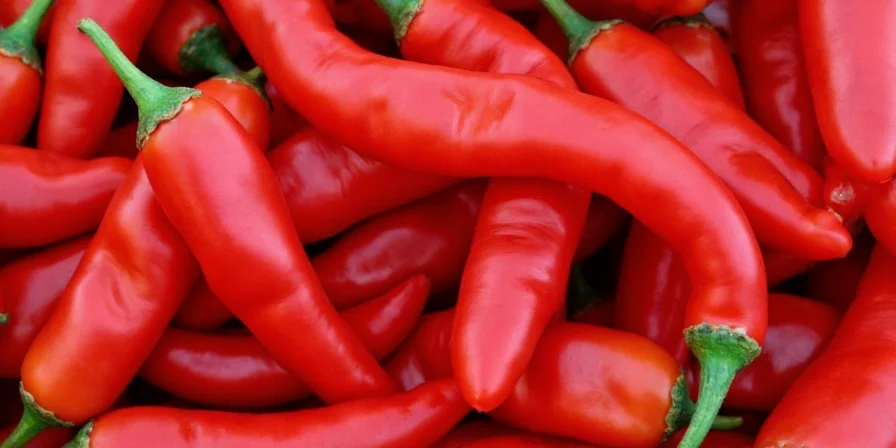
So what exactly do Calabrian peppers taste like? Here’s a quick breakdown:
- Sweetness: Surprisingly sweet for a chili, especially when roasted or sun-dried.
- Smokiness: Natural smoky undertones develop during drying or curing.
- Fruitiness: Hints of berry and citrus peel linger on the tongue.
- Heat: Medium to hot (5,000–25,000 SHU), but not overpowering.
The result? A flavor that’s vibrant, layered, and incredibly versatile in both traditional and modern cuisines.
Popular Calabrian Pepper Varieties
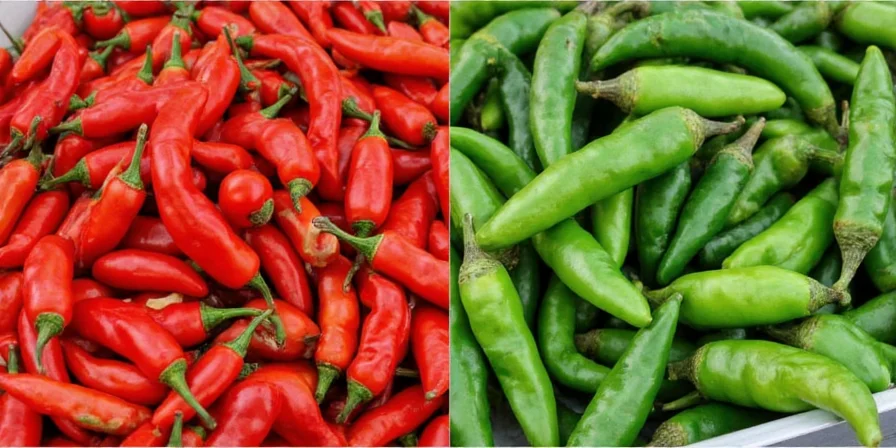
There’s more than one type of Calabrian pepper, each with its own personality and purpose. Let’s take a look at the most common ones:
| Variety | Description | Best Used For |
|---|---|---|
| Peperoncino Calabrese | The most famous variety; bright red, slender, and medium-hot. | Pickling, oils, pastes, and sauces |
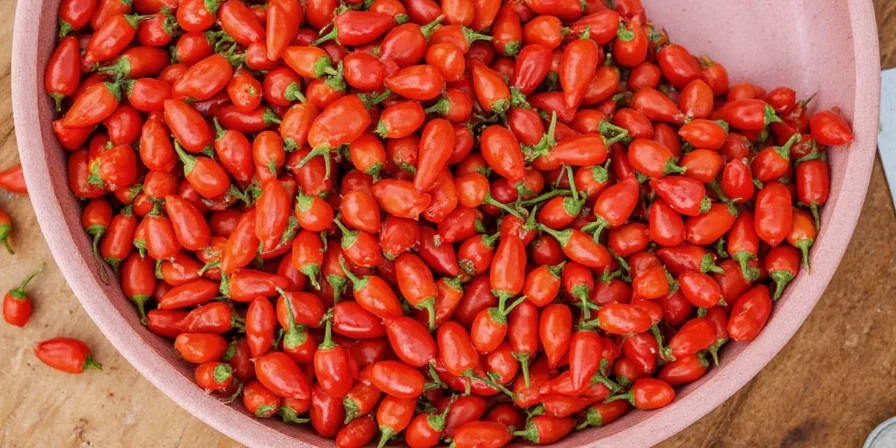
| Diavolicchio | Small and intensely hot, often referred to as “little devil.” | Adding fiery kicks to meats, stews, and bruschetta |
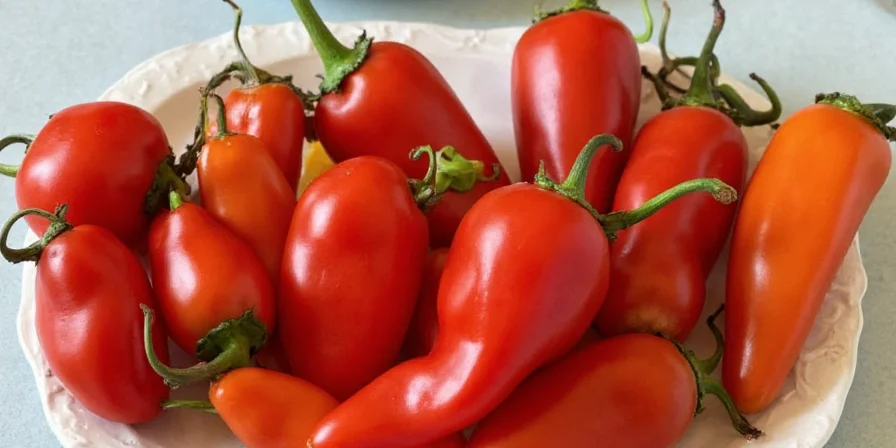
| Cubanelle (False Calabrian) | Mild, yellow-green variety sometimes mistaken for true Calabrian peppers. | Stuffed dishes and lighter fare |
Culinary Uses: From Pasta to Pizza and Beyond
Once you get a hold of these gems, the culinary possibilities are endless. Here are some classic and creative ways to use them:
- Pasta Dishes: Crush a few and sauté with garlic and olive oil for a simple yet explosive spaghetti aglio e olio.
- Meat Rubs: Mix crushed Calabrian peppers with salt, rosemary, and olive oil for a killer steak or lamb rub.
- Salad Dressings: Add a spoonful of Calabrian chili paste to vinaigrettes for a kick.
- Seafood Sauces: Stir into aioli or mayonnaise to accompany grilled shrimp or calamari.
- Bread & Cheese Pairings: Dollop on crostini with ricotta or goat cheese for a party-ready appetizer.
Pro Tips for Using Calabrian Peppers Like a Chef
Ready to unleash the power of Calabrian peppers in your cooking? Here are some tried-and-true tips:
- Start Small: These peppers pack a punch! Begin with half a pepper or a teaspoon of paste and adjust to taste.
- Pair with Fat: Their flavor shines brightest when balanced with creamy textures like yogurt, cheese, or avocado.
- Roast or Sauté: Roasting mellows the heat and enhances the sweetness. Try it before blending into sauces or dips.
- Use the Oil: If your peppers come packed in oil, don’t toss it out! It’s infused with flavor and can be used in dressings, marinades, or bread drizzles.
- Freeze for Later: Blend fresh Calabrian peppers with a bit of olive oil and freeze in ice cube trays for easy future use.
Where to Buy & How to Store Them
You can usually find Calabrian peppers in specialty stores, Italian markets, or online retailers like Amazon or Gustiamo. Look for them in the following forms:
- Fresh (seasonal)
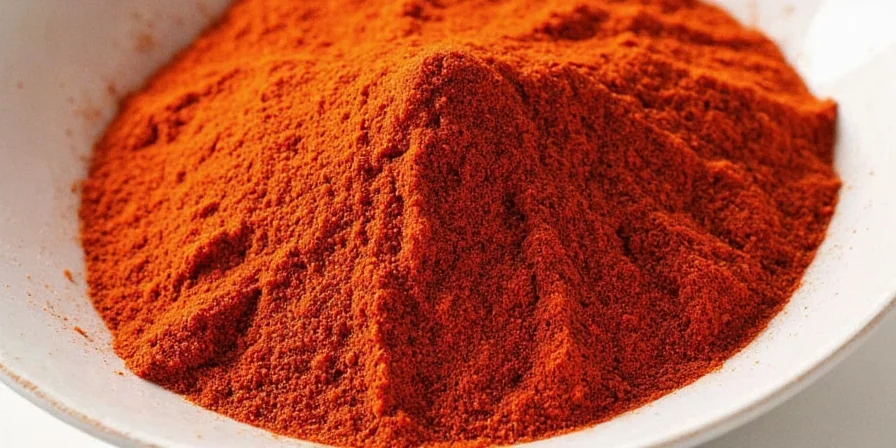
- Dried whole or crushed
- Pureed or paste form (often packed in jars)
- Preserved in oil or salt
Storage tips:
- Fresh peppers: Refrigerate in a paper bag for up to a week.
- Dried/Crushed: Keep in a cool, dark place for up to a year.
- Paste or oil-packed: Refrigerate after opening and use within 3–6 months.

Spice Level Comparison Table
To give you a better idea of how Calabrian peppers stack up against other popular chilies, here’s a handy chart:
| Chili | Scoville Heat Units (SHU) | Relative Heat |
|---|---|---|
| Calabrian Pepper | 5,000–25,000 | Moderate to Hot |
| Jalapeño | 2,500–8,000 | Mild to Moderate |
| Serrano | 10,000–23,000 | Moderate to Hot |
| Hatch Chile | 1,000–15,000 | Mild to Moderate |
| Cayenne | 30,000–50,000 | Hot |
| Habanero | 100,000–350,000 | Very Hot |
Health Benefits You Didn’t Know About
Beyond flavor, Calabrian peppers bring some serious health perks to the table:
- Rich in Vitamins: High in vitamin C and carotenoids, which support immune function and eye health.
- Natural Pain Relievers: Capsaicin has been shown to reduce inflammation and alleviate chronic pain.
- Boosts Metabolism: Some studies suggest that capsaicin can help increase calorie burn and fat oxidation.
- Gut Health: Contrary to popular belief, moderate chili consumption can promote gut health by stimulating digestive juices.

Conclusion: Why Every Kitchen Should Have a Jar (or Two)
Whether you’re spicing up a lazy Tuesday dinner or impressing guests with your latest culinary experiment, Calabrian peppers are a must-have ingredient. They offer depth, complexity, and versatility that most chilies simply can’t match.
With a bit of know-how and a jar tucked away in your pantry, you can transform everyday meals into extraordinary experiences. So go ahead — embrace the heat, savor the sweetness, and let those Calabrian flavors take over your kitchen!




 浙公网安备
33010002000092号
浙公网安备
33010002000092号 浙B2-20120091-4