
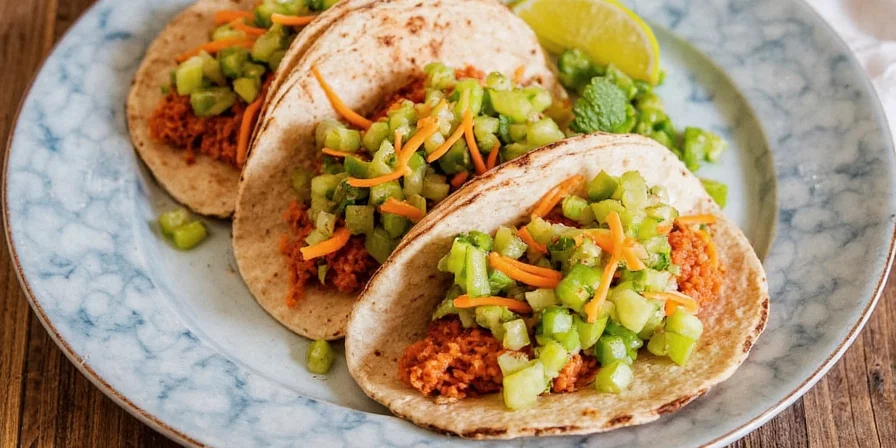
Birria Tacos: A Spicy Journey Through Tradition and Flavor
Have you ever tasted a taco so tender, so rich, and so deeply spiced that it felt like a warm hug from your Mexican abuela—even if she doesn’t exist? That’s birria for you. In this article, we dive deep into the authentic birria recipe, uncovering its roots, spices, and secrets to make your taste buds sing in Spanish.
Table of Contents
- What is Birria Anyway?
- A Taste of History
- The Spice Lineup: What Makes Birria So Special
- Step-by-Step: Crafting Your Own Birria at Home
- Pro Tips for Perfect Birria Every Time
- How to Serve Birria Like a Local
- Regional Twists: How Different States Make It Their Own
- Why You’ll Fall Head Over Heels for Birria
What is Birria Anyway?
If you’ve scrolled through Instagram lately, you might have seen those ooey-gooey cheese-dipped tacos labeled as “birria.” But real birria is way more than a TikTok trend—it’s a centuries-old stewed meat dish originating from Jalisco, Mexico.
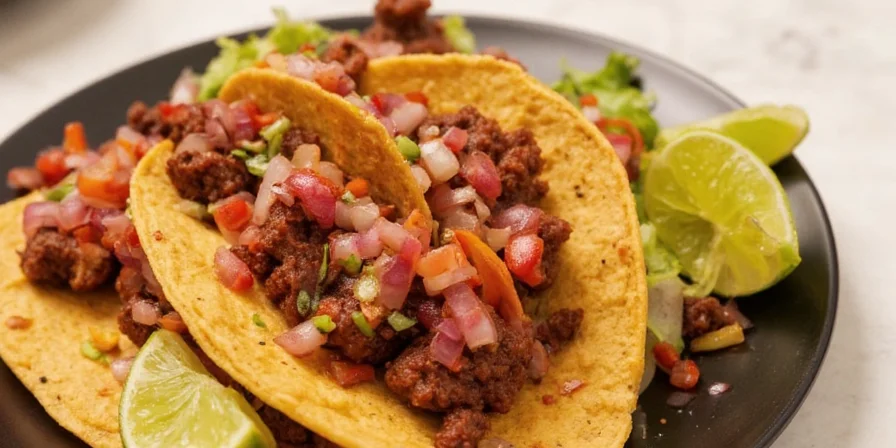
The original birria was made with goat or lamb, slow-cooked in a blend of dried chilies, vinegar, and spices until it melted in your mouth. Today, many home cooks use beef or pork for convenience, but the soul of birria remains unchanged: deep flavor, tender texture, and spice that sneaks up on you like a surprise rainstorm in July.
A Taste of History
Birria traces its origins back to colonial times in the state of Jalisco. Legend has it that during festivals, townspeople would prepare a large pot of seasoned meat to feed the whole village. The spices were carefully selected to preserve the meat and elevate the flavor—a must before refrigeration existed.
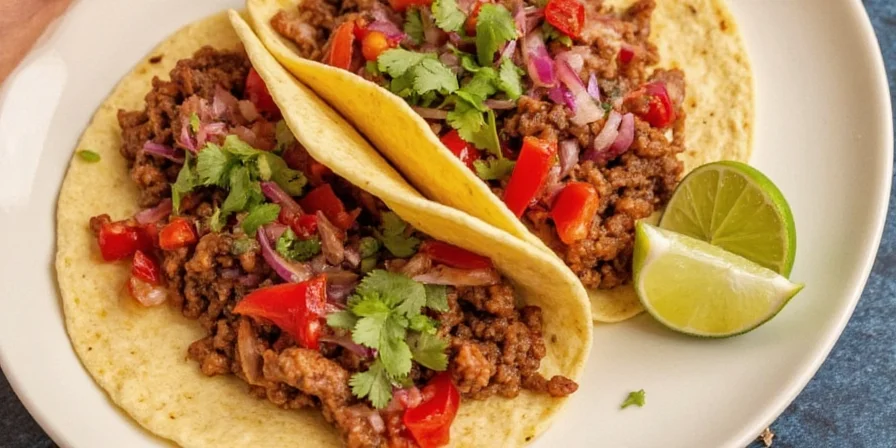
Over time, birria evolved from festival food to everyday comfort cuisine. Now, it's even found in street carts across Mexico City, Los Angeles, and beyond. Whether served as a soup, a taco filling, or even a quesadilla, birria remains a proud symbol of Jalisco’s culinary identity.
The Spice Lineup: What Makes Birria So Special
Let’s talk about the star of the show—the spices. Unlike typical Tex-Mex tacos, birria relies on a complex layering of heat, acidity, sweetness, and earthiness. Here’s what you’ll need:
- Dried guajillo chilies – mild to medium heat, tangy and slightly fruity
- Dried ancho chilies – sweet, raisin-like notes
- Dried pasilla chilies – adds depth and smokiness
- Vinegar – traditionally white vinegar or apple cider vinegar for acidity
- Garlic – freshly minced or puréed
- Onion – adds natural sweetness
- Tomato – brings brightness and body
- Cumin – earthy warmth
- Oregano – preferably Mexican oregano for floral notes
- Bay leaf – subtle herbal aroma
- Black pepper – enhances spice layers
- Salt – to taste, always
- Beef broth – or water, depending on desired consistency
| Chili Type | Heat Level (SHU) | Flavor Profile |
|---|---|---|
| Ancho | 1,000–2,000 | Sweet, raisin-like, smoky |
| Guajillo | 2,500–5,000 | Tangy, berry-like, mildly spicy |
| Pasilla | 1,000–2,500 | Earthy, prune-like, rich |
Step-by-Step: Crafting Your Own Birria at Home
You don’t need a fancy sous vide machine or a $500 cast iron Dutch oven to make authentic birria. Just a little patience, love, and a decent blender. Let’s break it down:
Ingredients
- 2 lbs beef chuck roast or goat/lamb (if available)
- 6 guajillo chilies
- 4 ancho chilies
- 2 pasilla chilies
- 1 large onion, quartered
- 5 garlic cloves
- 2 tomatoes, quartered
- 1 tsp cumin
- 1 tsp oregano
- 1 bay leaf
- 1/2 cup vinegar
- 2 cups beef broth
- Salt and pepper to taste
Instructions
- Toast the Chilies: Heat a dry skillet over medium heat. Toast each chili type for about 30 seconds per side to bring out their flavors. Be careful not to burn them!
- Soak the Chilies: Place toasted chilies in a bowl and cover with boiling water. Let them soak for 20–30 minutes until soft.
- Blend the Sauce: Drain the chilies and add them to a blender with tomatoes, onion, garlic, vinegar, cumin, oregano, salt, and pepper. Blend until smooth. Add a bit of broth if needed to help the mixture blend properly.
- Cook the Meat: Season the meat generously with salt and pepper. In a large pot or Dutch oven, brown the meat on all sides. Remove and set aside.
- Simmer Everything Together: Pour the blended sauce into the pot and cook for 5–7 minutes, stirring frequently to prevent burning. Return the meat to the pot, add the bay leaf, and pour in enough broth to cover the meat by about an inch.
- Cover and Cook: Bring to a boil, then reduce heat and simmer for 2.5–3 hours or until the meat shreds easily with a fork.
- Rest and Shred: Let the meat rest for 15 minutes before shredding. Skim off any excess fat if desired.

Pro Tips for Perfect Birria Every Time
Ready to impress your friends or just yourself with next-level birria? Here are some pro tricks from experienced chefs and home cooks alike:
- Toasting Tip: Don’t skip toasting the chilies. It unlocks hidden flavor layers you won’t get otherwise.
- Braising Liquid: Use beef broth instead of water for richer results. For extra umami, add a splash of soy sauce or Worcestershire sauce.
- Slow Cooker Hack: After browning the meat and making the sauce, transfer everything to a slow cooker and let it simmer for 6–8 hours on low.
- Make Ahead Magic: Birria tastes even better the next day! The flavors deepen overnight, making it perfect for meal prep or parties.
- Fat Saving Trick: Save some of the cooking fat to brush on your tortillas before grilling—this is where that famous birria taco crispiness comes from!
How to Serve Birria Like a Local
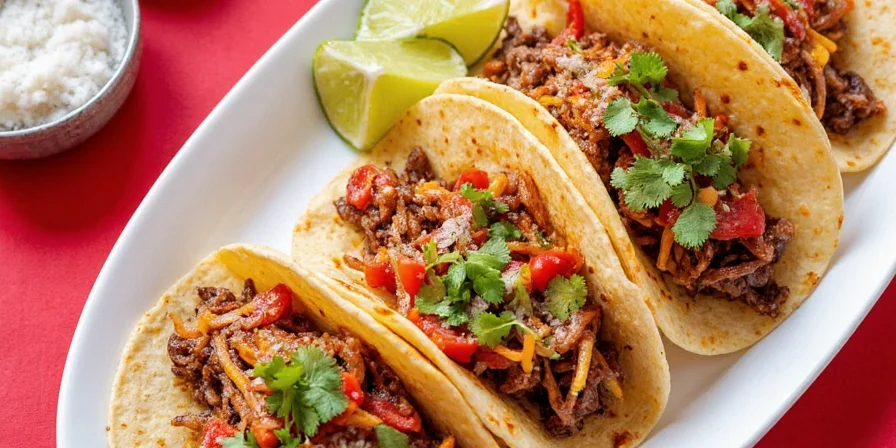
In Mexico, birria is often served as a soup called *consomme*, especially during celebrations. But today, the most popular form is the birria taco. Here’s how to assemble one like a pro:
- Use fresh corn tortillas (preferably handmade).
- Dip the tortilla lightly in the birria consommé or brush it with reserved fat.
- Add shredded meat, fold, and grill until crispy and golden.
- Serve with a side of the broth for dipping.
Regional Twists: How Different States Make It Their Own
While birria originated in Jalisco, different regions in Mexico and the U.S. have added their own spin to it:
| Region | Twist | Key Difference |
|---|---|---|
| Jalisco | Original goat birria | Uses vinegar-based sauce; served as soup |
| California | Cheesy birria tacos | Grilled with cheese and dipped in consommé |
| Texas | Beef birria | Larger cuts of meat; more BBQ influence |
| New York | Gourmet birria burgers | Made with wagyu beef, truffle mayo, etc. |
Why You’ll Fall Head Over Heels for Birria
There’s something deeply comforting about birria. Maybe it’s the slow-cooked meat that falls apart like poetry, or the balance of spices that hits every part of your tongue. Or maybe it’s the history—the centuries of tradition simmered into every bite. Either way, birria isn’t just food; it’s culture, comfort, and spice wrapped in one irresistible package.
Conclusion: Your Turn to Spice Up Life with Birria
Now that you’ve got the full breakdown of the authentic birria recipe, it’s time to fire up your stove and let those spices do their magic. From the first sizzle of the meat hitting the pan to the last bite of a perfectly grilled taco, birria is more than a dish—it’s an experience.
So go ahead. Invite your friends. Make a big pot. Share the love. And remember—spice is life, and birria is living its best life right alongside you.




 浙公网安备
33010002000092号
浙公网安备
33010002000092号 浙B2-20120091-4