
Basil in Spanish Food: Why This Herb Isn't Just for Pesto!
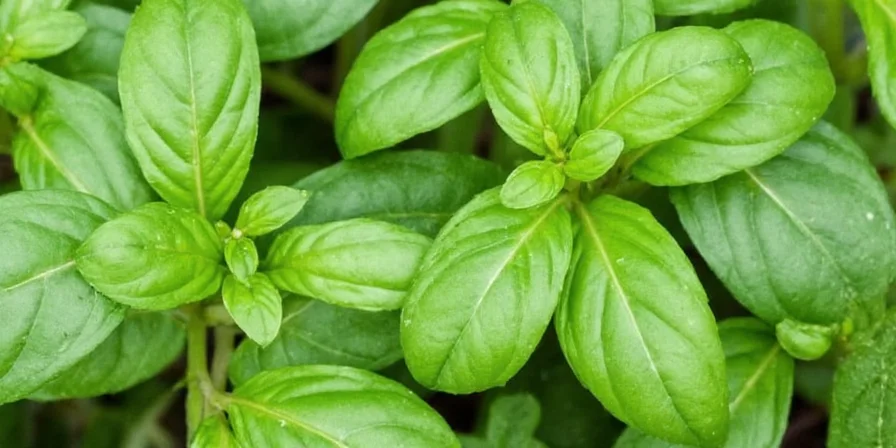
You might associate basil more with Italian pasta than Spanish paella, but don’t be fooled — this aromatic herb has a surprisingly rich history and unique role in Spanish cuisine. From coastal stews to rustic tomato salads, basil adds a bright, peppery note that can elevate traditional dishes in unexpected ways.
In this article, we’ll dive into the cultural significance of basil in Spanish food, compare it with other herbs used in Iberian cooking, and offer you a list of practical tips to use it like a local chef.
Table of Contents
- A Brief History of Basil in Spain
- Basil vs Other Herbs in Spanish Cuisine
- 7 Practical Tips for Using Basil in Spanish Dishes
- Tasty Spanish-Inspired Recipes Featuring Basil
- Final Thoughts: Spice Up Your Spanish Cooking with Basil
A Brief History of Basil in Spain
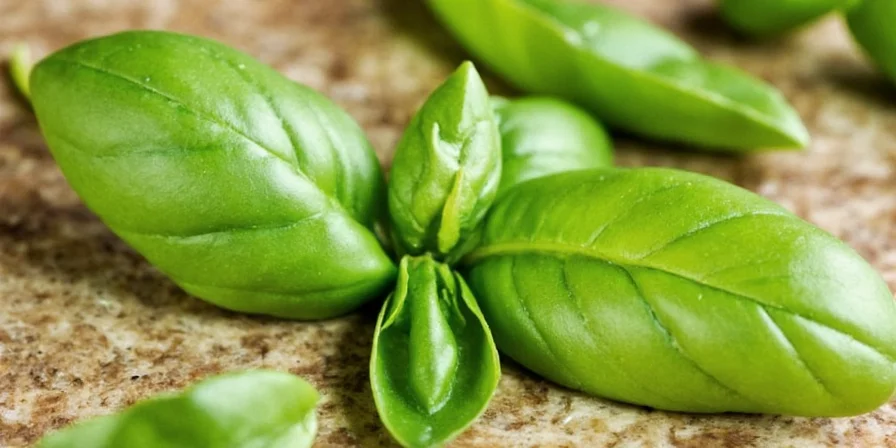
Basil (Ocimum basilicum) made its way to Europe via ancient trade routes from India and the Middle East. In Spain, its presence can be traced back to Roman times, though it became more widely used during the Moorish rule (711–1492), when North African and Middle Eastern culinary traditions heavily influenced Iberian cuisine.
While not as dominant as in Italian or Thai cooking, basil found a cozy home in southern regions like Andalusia and Valencia, where fresh ingredients reign supreme. It’s often used alongside parsley, oregano, and thyme to create the aromatic base of many seafood and vegetable-based dishes.
Basil vs Other Herbs in Spanish Cuisine
Spain is a country of diverse climates and cultures, so it’s no surprise that each region uses different herbs. Here’s how basil stacks up against its most common culinary cousins:
| Herb | Flavor Profile | Common Uses in Spanish Food | Best With |
|---|---|---|---|
| Basil | Sweet, peppery, slightly minty | Tomato salads, seafood soups, sauces | Fresh vegetables, citrus, olive oil |
| Parsley | Grassy, mild, refreshing | Garnishes, marinades, gazpacho | Garlic, paprika, fish |
| Oregano | Earthy, pungent, warm | Stews, meats, bean dishes | Lamb, chorizo, tomatoes |
| Thyme | Woody, earthy, slightly floral | Slow-cooked dishes, roasts, broths | Duck, rabbit, root vegetables |
| Rosemary | Pine-like, bold, aromatic | Roasted meats, potatoes, breads | Lamb, pork, focaccia |
Though not the star player, basil shines in lighter, fresher dishes where its vibrant aroma isn’t overpowered by strong spices or long cooking times.
7 Practical Tips for Using Basil in Spanish Dishes
- Add basil at the end: Basil is delicate and loses flavor when cooked too long. Toss it into your dish right before serving to preserve its freshness.
- Pair with ripe tomatoes: A classic combo! Try a simple salad of sliced tomatoes, extra virgin olive oil, sherry vinegar, sea salt, and torn basil leaves.
- Muddle it for oils or vinaigrettes: Crush a few basil leaves with garlic and olive oil to infuse the liquid with its essence. Great for drizzling over grilled fish or vegetables.
- Use it in seafood soups: Add a handful of chopped basil to your next batch of zarzuela or mariscada (Spanish seafood medley) for a bright finish.
- Make a green sauce: Blend basil, parsley, almonds, garlic, olive oil, and a splash of sherry vinegar for a punchy condiment that pairs well with grilled meats or crusty bread.
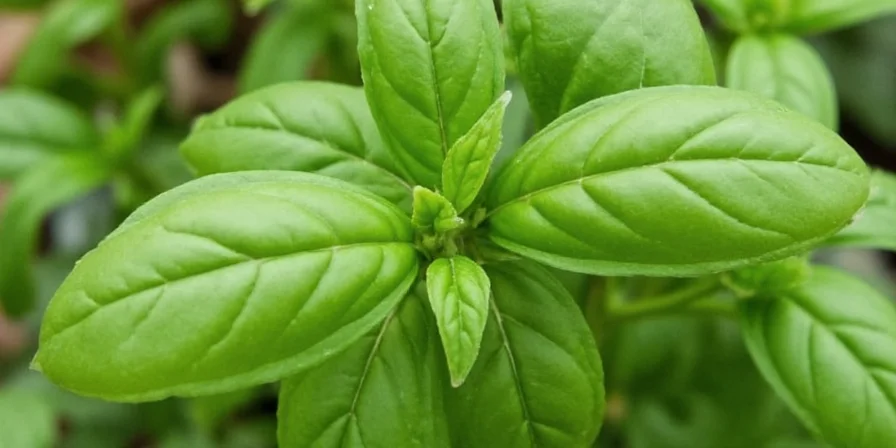
- Grow your own: Basil thrives in warm, sunny spots. Keep a pot on your windowsill or balcony and enjoy fresh leaves all summer long.
- Don’t refrigerate whole leaves: To keep basil fresh, store it like a bouquet of flowers — in water at room temperature. Refrigeration causes leaves to blacken and wilt quickly.
Tasty Spanish-Inspired Recipes Featuring Basil
Ready to get creative? Here are a few recipe ideas that highlight the flavor of basil in Spanish cooking:
- Basil Tomato Escalivada: Roast red peppers and eggplant, slice them up, toss with basil, olive oil, and sherry vinegar for a smoky yet fresh tapa.
- Basil-Infused Aioli: Mix finely chopped basil into your favorite aioli recipe for a herby twist that goes great with patatas bravas or fried squid.
- Seafood Rice with Basil: Stir chopped basil into your paella near the end of cooking for a fragrant, summery finish.
- Citrus-Basil Sorbet: A refreshing dessert idea — blend basil with orange juice, zest, and sugar for a palate-cleansing treat.
- Basil & Almond Gazpacho: For a spin on the classic cold soup, add a handful of basil and toasted almonds for extra depth and texture.
Final Thoughts: Spice Up Your Spanish Cooking with Basil
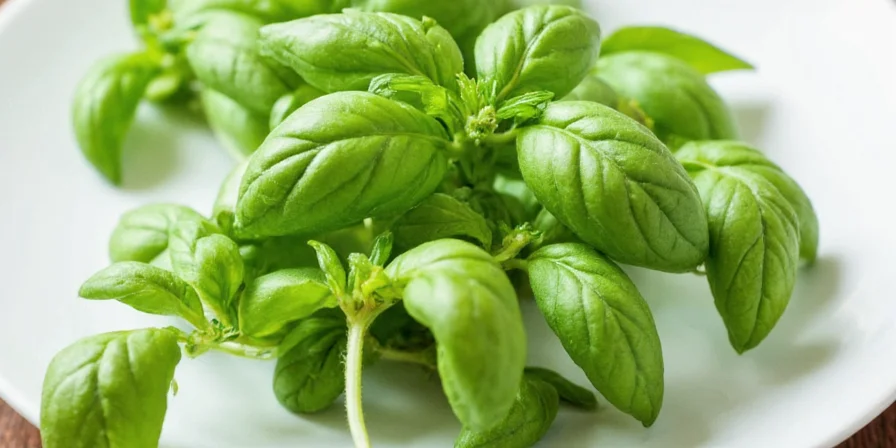
While basil may not be the first herb that comes to mind when thinking about Spanish food, its subtle complexity and versatility make it a worthy contender in your spice repertoire. Whether you're tossing it into a fresh summer salad or using it to finish a hearty seafood stew, basil brings a touch of elegance and brightness to any dish.
So next time you’re in the kitchen crafting your version of Spanish cuisine, don’t forget to reach for that bunch of basil hiding in the fridge. It just might be the secret ingredient that turns a good meal into a truly memorable one!
And remember — a little goes a long way. Freshness is key, timing matters, and pairing it wisely will let basil shine without overpowering your plate.




 浙公网安备
33010002000092号
浙公网安备
33010002000092号 浙B2-20120091-4