
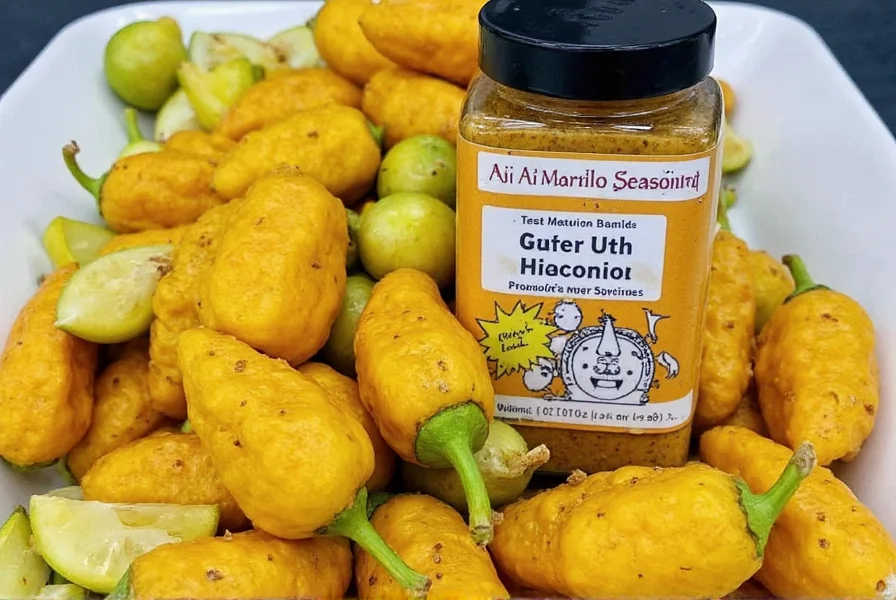
Aji Amarillo Seasoning: The Peruvian Pepper That’s Redefining Heat in Global Cuisines
Spice lovers, get ready to ignite your senses! Aji Amarillo seasoning isn’t just another chili powder — it’s a golden ticket to the vibrant culinary traditions of Peru. Known for its fruity warmth and radiant color, this spice has been quietly taking over kitchens from Brooklyn to Berlin. Whether you're a home cook craving authenticity or a chef experimenting with global fusion, Aji Amarillo is a flavor worth knowing.
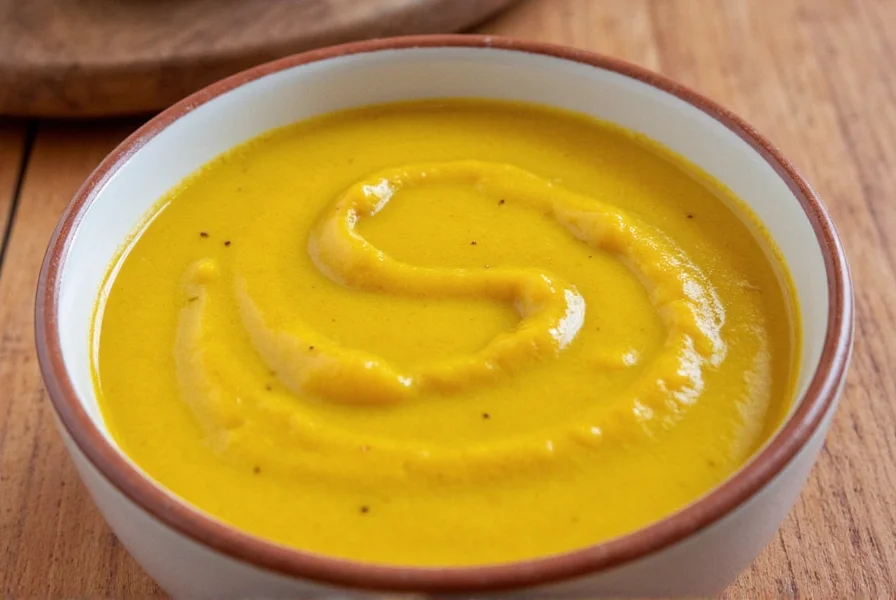
Table of Contents
- What Is Aji Amarillo Seasoning?
- Flavor Profile & Characteristics
- How It's Used Around the World
- Cooking Tips & Creative Uses
- Buying Guide: Choosing the Best Aji Amarillo Seasoning
- Health Benefits You Should Know
- Conclusion: Why This Spice Deserves a Spot in Your Pantry
What Is Aji Amarillo Seasoning?
The Aji Amarillo (Capsicum baccatum) is a yellow chili pepper native to Peru, often used fresh or dried in traditional dishes like ceviche, ají de gallina, and lomo saltado. When processed into a seasoning blend or paste, it becomes a versatile pantry staple that adds both heat and flavor complexity.
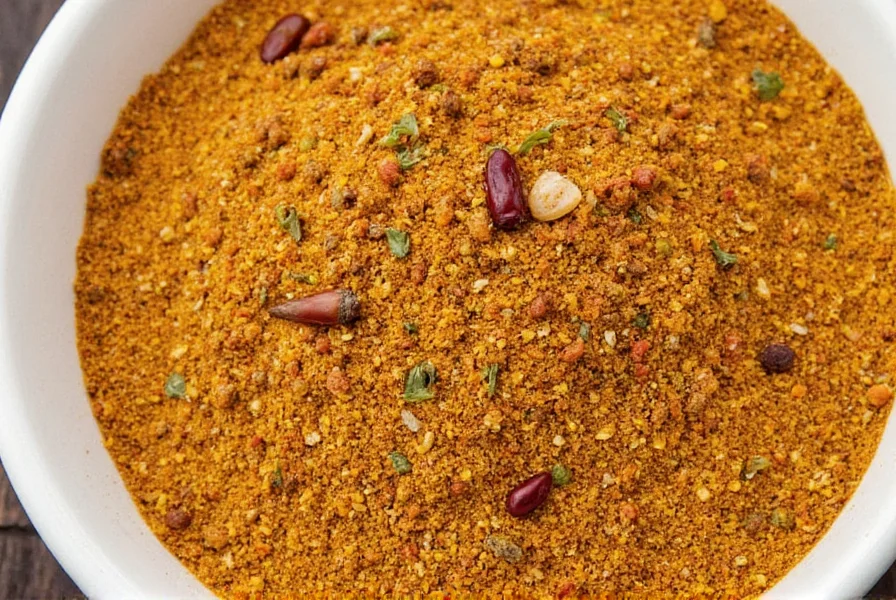
Modern versions of Aji Amarillo seasoning can be a powdered form of the dried pepper or blended with other spices like garlic, cumin, and coriander to enhance its flavor profile while keeping its signature citrusy bite.
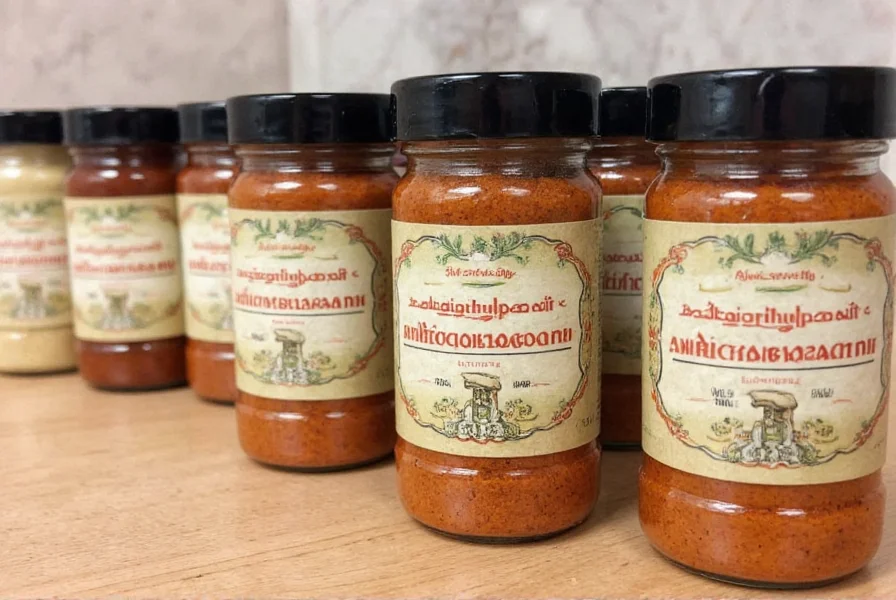
Origin Story
This fiery pepper has roots deep in Incan cuisine. Its use predates the Spanish conquest and continues to be a cornerstone of Peruvian food culture today. In fact, it’s sometimes referred to as the “Peruvian national pepper.”
Flavor Profile & Characteristics
What sets Aji Amarillo apart from other chili powders? Think of it as the love child of a jalapeño and a habanero — but with a twist. Here’s a breakdown:
| Characteristic | Description |
|---|---|
| Heat Level | Moderate (50,000–60,000 Scoville units) |
| Flavor Notes | Fruity, citrusy, slightly floral |
| Color | Bright orange-yellow |
| Common Forms | Fresh, frozen, paste, powder |
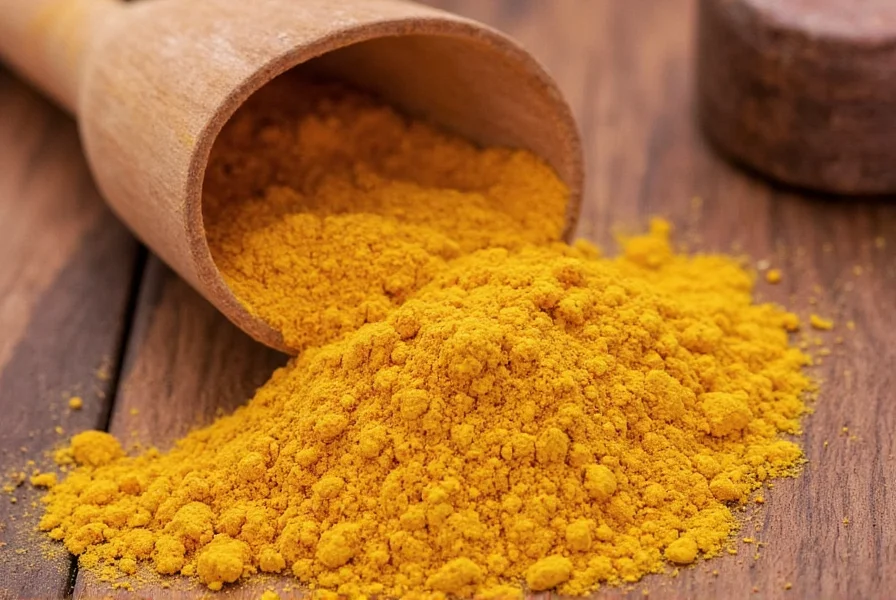
Comparing Aji Amarillo With Other Popular Chilies
If you’re familiar with other peppers, here’s how Aji Amarillo stacks up:
- Jalapeño: Milder, less fruity, more vegetal
- Habanero: Much hotter, tropical notes, less earthy
- Cayenne: Sharper heat, less depth
- Serrano: Similar heat level, but greener and crisper
How It's Used Around the World
While deeply rooted in Peruvian cooking, Aji Amarillo seasoning has found new life in international cuisines. Let’s take a flavorful trip around the globe:
- United States: Fusion chefs use it in everything from aioli to Bloody Marys. Some gourmet hot sauce brands have even started bottling pure Aji Amarillo sauces.
- Europe: In trendy restaurants across London, Berlin, and Paris, it’s being paired with local ingredients like goat cheese, mushrooms, and seafood.
- Asia: Thai and Vietnamese street vendors are using it to give their curries and noodle dishes an exotic kick.
- Latin America: From Mexico to Argentina, chefs are incorporating it into salsas, marinades, and grilled meats for a modern twist.
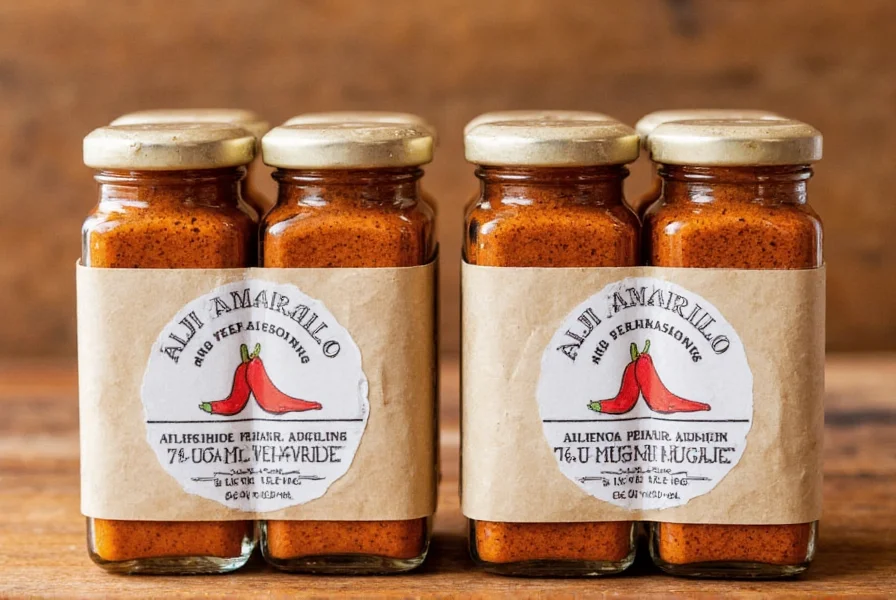
Signature Peruvian Dishes Featuring Aji Amarillo
- Ceviche – Adds zesty brightness to the citrus-based marinade
- Ají de Gallina – The star ingredient in this creamy chicken dish
- Lomo Saltado – Gives the stir-fry its smoky-savory edge
- Papa a la Huancaína – Spices up the creamy cheese sauce on potatoes
Cooking Tips & Creative Uses
Ready to spice things up at home? Here are some clever ways to incorporate Aji Amarillo seasoning into your daily meals:
- Make Your Own Paste: Combine rehydrated dried Aji Amarillo peppers with garlic, olive oil, and a splash of lime juice for a fresh paste that keeps in the fridge for up to a week.
- Add to Marinades: Mix with soy sauce, honey, and sesame oil for an Asian-inspired marinade, or keep it Latin with lime, cilantro, and cumin.
- Spice Up Condiments: Stir into mayonnaise, sour cream, or hummus for a quick dip or sandwich spread.
- Enhance Sauces and Dressings: Add a pinch to vinaigrettes, tomato sauces, or guacamole for a subtle background heat.
- Experiment with Desserts: Yes, really! Try it in dark chocolate truffles or mole-style brownies for a surprising kick.
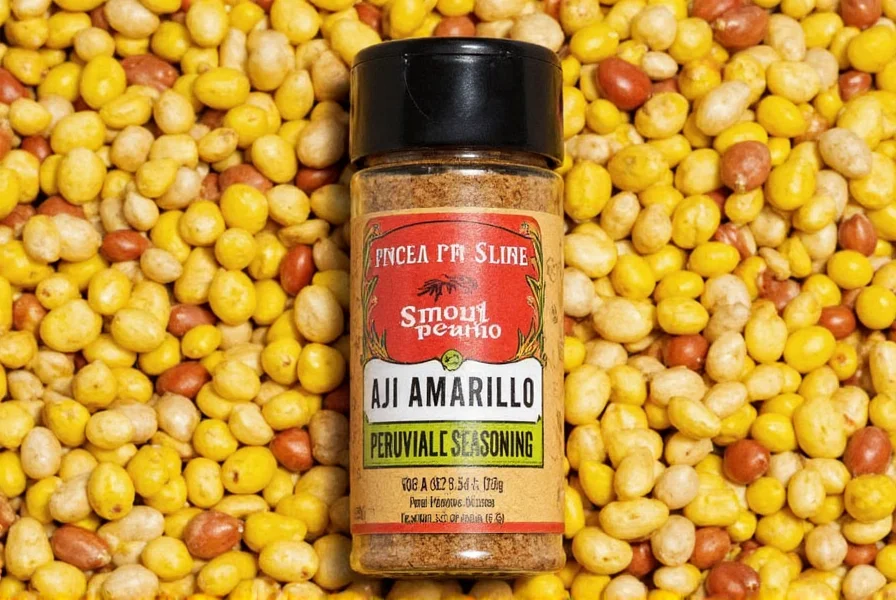
Pro Tip: Balance the Heat
Because Aji Amarillo is moderately hot, consider balancing it with creamy textures or acidic flavors. Think avocado, yogurt, lime, or coconut milk to keep the spice from overpowering your dish.
Buying Guide: Choosing the Best Aji Amarillo Seasoning
Not all Aji Amarillo seasonings are created equal. Here’s how to pick the best one for your needs:
Types Available
| Type | Pros | Cons | Best For |
|---|---|---|---|
| Dried Whole Peppers | Most authentic; customizable grind | Need to rehydrate before use | Traditional dishes, pastes |
| Powdered Seasoning | Convenient; easy to measure | Might contain fillers or additives | Marinades, dry rubs, dressings |
| Frozen Puree | Great flavor retention; no prep needed | Less shelf-stable | Cooking from scratch, sauces |
| Pre-Blended Seasoning Mixes | Ready-to-use; complex flavors | May not suit purists | Quick meals, beginners |
Things to Look for When Buying
- Purity: Opt for single-ingredient products if possible. Avoid mixes with preservatives or artificial colors.
- Country of Origin: Authentic Peruvian Aji Amarillo tends to be more aromatic and complex than generic substitutes.
- Form Factor: Decide whether you want a paste, powder, or whole peppers based on your cooking habits.
- Shelf Life: Fresh or frozen versions won't last as long as dried or powdered forms. Buy according to how often you’ll use it.
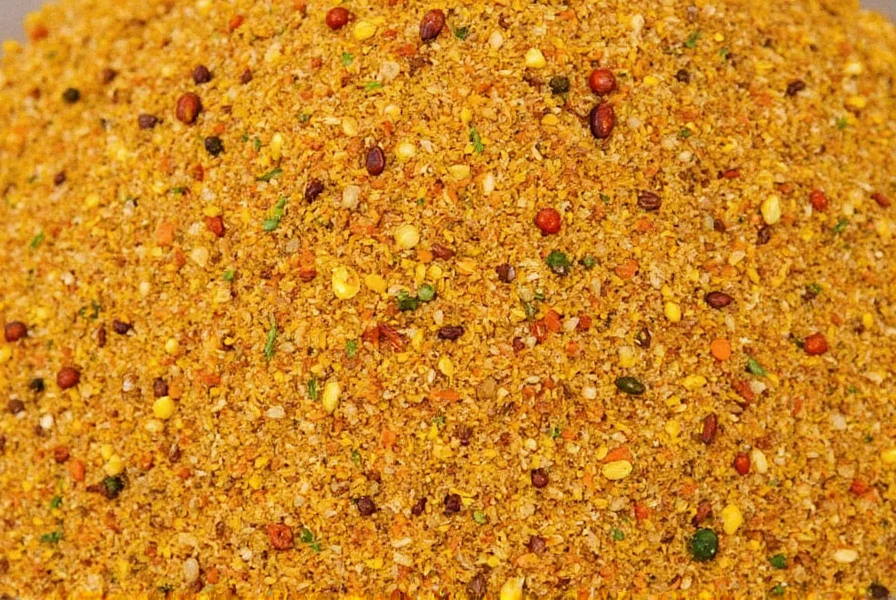
Top Brands & Their Unique Features
- Andean Roots Organics: Organic, non-GMO certified, sustainably farmed in the Sacred Valley.
- Picante Provisions: Offers a ready-to-use paste with added herbs and spices for convenience.
- La Costeña: Trusted brand with affordable powdered blends ideal for everyday cooking.
- Tienda Latina: Offers freeze-dried Aji Amarillo cubes perfect for soups and stews.
Health Benefits You Should Know
Beyond its bold flavor, Aji Amarillo packs a nutritional punch. Here’s why it’s good for you:
- Rich in Vitamins A & C: Boosts immunity and promotes healthy skin.
- Contains Capsaicin: May aid metabolism and help reduce inflammation.
- Antioxidant Properties: Helps fight free radicals and supports heart health.
- Low in Calories: Great for adding flavor without extra calories or sugar.
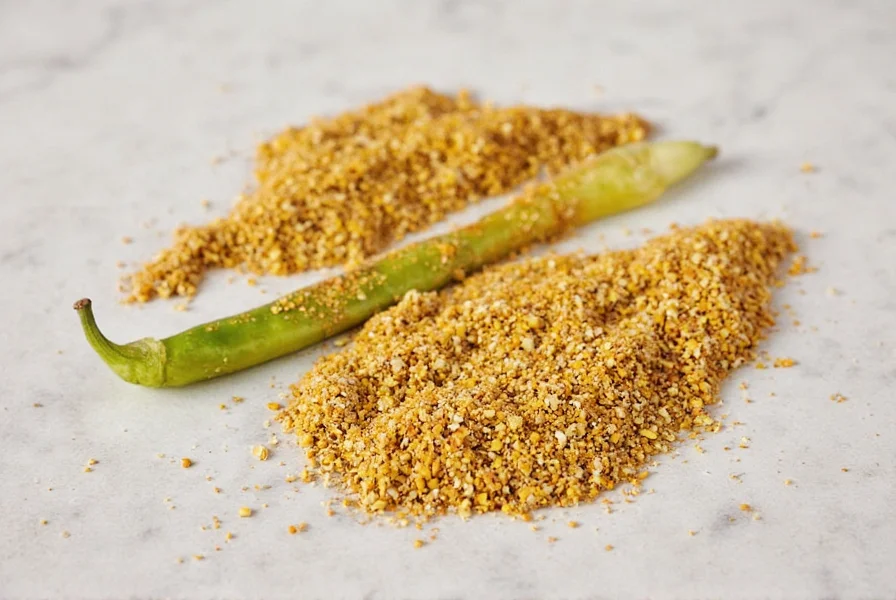
Scientific Backing
Several studies have shown that capsaicin, the compound responsible for the heat in chilies, can improve circulation and even assist in pain relief when applied topically. While Aji Amarillo isn’t the spiciest chili out there, its moderate heat makes it easier to enjoy regularly without overwhelming the palate.
Conclusion: Why This Spice Deserves a Spot in Your Pantry
Aji Amarillo seasoning is more than a passing trend — it’s a flavor revolution with deep cultural roots and modern culinary appeal. Whether you're exploring the world through food or just looking to add something exciting to your weekly meals, Aji Amarillo brings a unique combination of heat, color, and flavor that’s hard to beat.
So go ahead, open that jar, sprinkle some magic into your next dish, and let your taste buds travel to the Andes — one spicy spoonful at a time!




 浙公网安备
33010002000092号
浙公网安备
33010002000092号 浙B2-20120091-4