
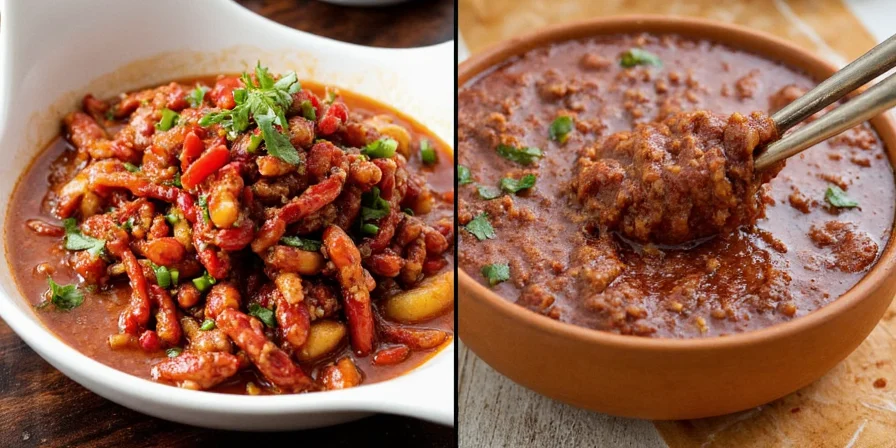
7 Sizzling Sichuan Peppercorn Recipes That’ll Make Your Tongue Dance (Seriously)
If you’ve ever bitten into a Sichuan peppercorn, you know it’s not just spicy — it’s a full-blown sensory experience. Tingling, numbing, earthy, and floral, these little red gems from China’s Sichuan province have been captivating palates for centuries. And now, they’re making waves in kitchens around the world.
In this post, we’ll take you on a culinary journey through 7 irresistible Sichuan peppercorn recipes that showcase their versatility, from classic dishes to modern twists. Whether you're a seasoned chef or a curious home cook, there's something here for every spice lover.
We'll also dive into the science behind that unique tingle, how to use them like a pro, and why they’re a global superstar in the spice world.
Table of Contents
- What Are Sichuan Peppercorns?
- Why They’re Special: The Tingling Effect
- How to Use Sichuan Peppercorns Like a Pro
- Top 7 Sichuan Peppercorn Recipes You Need to Try
- Dan Dan Noodles
- Kung Pao Chicken
- Mapo Tofu
- Sichuan Hot Pot
- Sichuan Peppercorn Butter Steak
- Sichuan-Style Pickled Vegetables
- Spicy Chocolate Brownies with Sichuan Kick
- Tips & Tricks for Cooking with Sichuan Peppercorns
- Sichuan Peppercorns: A Global Spice Trend
- Conclusion
What Are Sichuan Peppercorns?
Despite the name, Sichuan peppercorns aren’t actually peppers. They come from the dried husks of the seeds of the prickly ash tree (Zanthoxylum simulans). Native to China’s Sichuan Province, these tiny pods pack a punch — but not in the way chili peppers do.

They’re used both whole and ground into powder, and are often toasted first to enhance their aroma and flavor. Used in everything from street food to fine dining, they’re a cornerstone of Chinese cuisine — especially Sichuanese fare.
Why They’re Special: The Tingling Effect
Forget capsaicin — the tingling numbness you feel after eating Sichuan peppercorns comes from a compound called **hydroxy-alpha-sanshool**. This molecule activates nerve receptors responsible for touch and vibration, creating that signature buzzing sensation on your lips and tongue.
| Flavor Profile | Effect | Common Use |
|---|---|---|
| Earthy, citrusy, floral | Tingling/numbing | Main dishes, marinades, spice blends |
It’s less about heat and more about texture — a delicious neurological trick that makes every bite more exciting.
How to Use Sichuan Peppercorns Like a Pro
Using Sichuan peppercorns isn’t just about tossing them into any dish. To get the most out of them, follow these expert tips:
- Toasting is key: Lightly toast them in a dry pan to awaken their aromatic oils.
- Grind fresh: Crushed or ground Sichuan peppercorns lose potency quickly, so grind only what you need.
- Use moderation: Too much can overpower other flavors — start small and adjust to taste.
- Beware of bitterness: Only use the outer shell; the inner seed can be bitter.
Top 7 Sichuan Peppercorn Recipes You Need to Try
Ready to level up your cooking game? Here are 7 mouthwatering recipes that make the most of Sichuan peppercorns — from traditional favorites to creative new takes.
1. Dan Dan Noodles
This beloved Sichuan street food features hand-pulled noodles tossed in a savory-spiciness sauce made with minced pork, chili oil, soy sauce, and of course, ground Sichuan peppercorns.
- Pro tip: Toast the peppercorns lightly before grinding for extra depth.
- Add sesame paste for creaminess.
2. Kung Pao Chicken
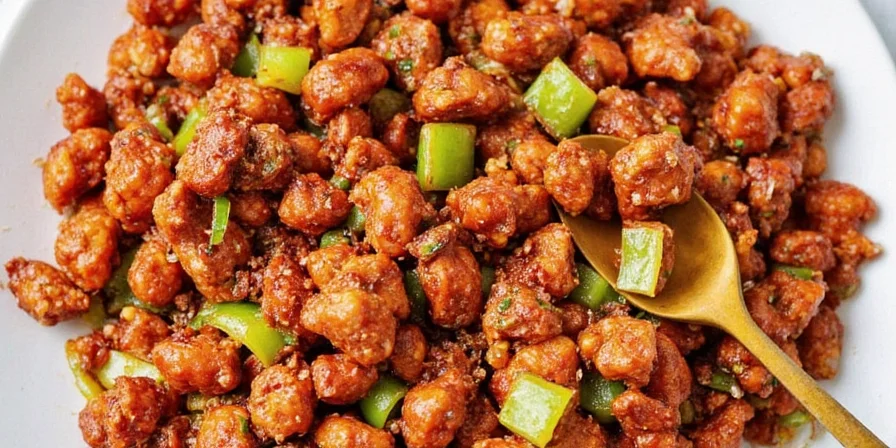
A classic stir-fry dish featuring diced chicken, peanuts, chili peppers, and Sichuan peppercorns. The interplay between sweet, sour, and spicy is balanced beautifully by the tingling numbing effect.
- Don't skip the vinegar and sugar for that authentic flavor.
- Use boneless chicken thighs for juicier results.
3. Mapo Tofu
Creamy tofu swimming in a rich, spicy sauce infused with fermented broad bean paste, minced pork, and lots of Sichuan peppercorns. Serve it over rice for the ultimate comfort meal.
4. Sichuan Hot Pot
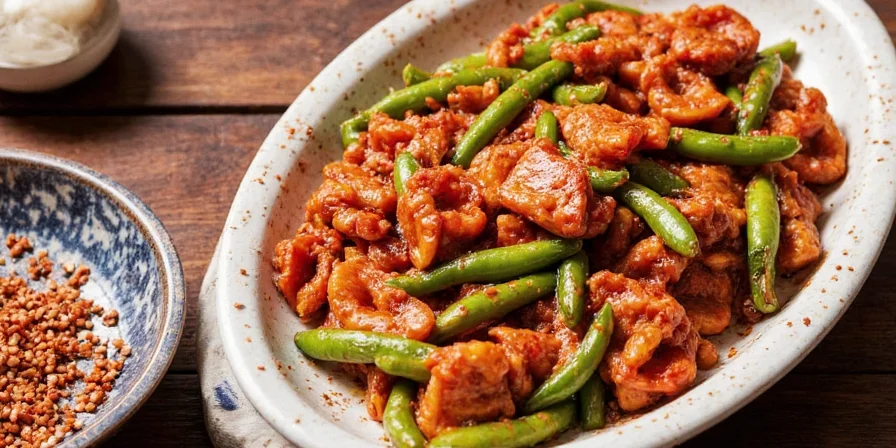
The ultimate interactive meal! Dine with friends and family by dipping meats, vegetables, and noodles into a bubbling pot of spiced broth, typically loaded with chili, garlic, ginger, and Sichuan peppercorns.
- Make your own麻辣锅 (ma la guo) base using peppercorns, chili flakes, and star anise.
- Serve with sesame or peanut dipping sauce.
5. Sichuan Peppercorn Butter Steak
A fusion twist: sear a juicy ribeye steak and top it off with a compound butter infused with roasted Sichuan peppercorns, garlic, thyme, and lemon zest. The contrast of meaty richness and tingling spice is unbeatable.
6. Sichuan-Style Pickled Vegetables
Add a spicy kick to your pickles with a brine that includes Sichuan peppercorns, chili, ginger, and star anise. These pickles are perfect for topping sandwiches, tacos, or enjoying straight from the jar.
- Use daikon radish, carrots, or cucumbers.
- Let sit at least 24 hours before serving for best flavor.
7. Spicy Chocolate Brownies with Sichuan Kick
Think chocolate meets spice — but not just any spice. A sprinkle of finely ground Sichuan peppercorns adds a surprising zing to rich dark chocolate brownies. It’s the kind of dessert that keeps people guessing.
Tips & Tricks for Cooking with Sichuan Peppercorns
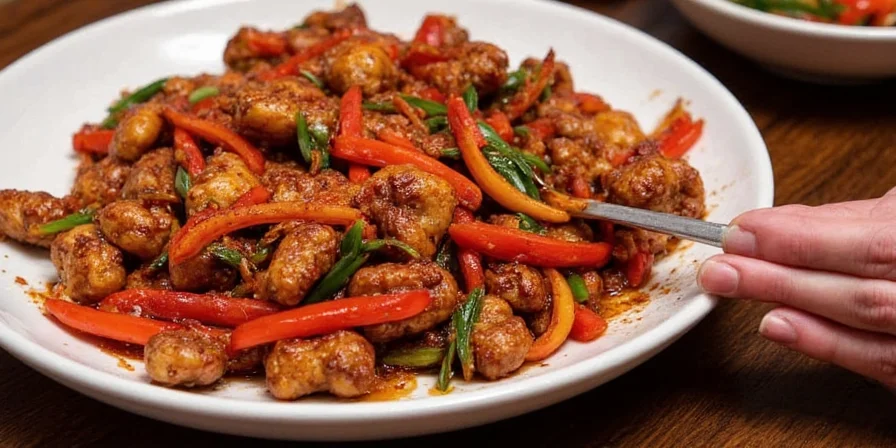
Whether you're new to Sichuan peppercorns or want to refine your technique, here are some handy hacks to keep in mind:
- Store them properly: Keep whole peppercorns in an airtight container away from light and moisture to preserve flavor.
- Pair wisely: Their citrusy notes go well with seafood, lamb, mushrooms, and even fruit-based desserts.
- Don’t eat the seeds: Always discard the hard black seeds inside the pods before grinding or using them.
- Try infusing oils: Heat neutral oil with Sichuan peppercorns for a few minutes, then strain. Use in dressings, drizzles, or marinades.
Sichuan Peppercorns: A Global Spice Trend
While deeply rooted in Chinese culture, Sichuan peppercorns have taken the world by storm. From Michelin-starred restaurants to home kitchens in Europe, North America, and beyond, chefs are experimenting with this bold ingredient in new and exciting ways.
Why the buzz? Because they offer a flavor profile unlike anything else — and because adventurous eaters love a good sensory surprise. If you haven’t yet explored the wonders of Sichuan peppercorns, now’s the time to start.
Conclusion
Sichuan peppercorns are more than just a spice — they’re an experience. With their unique tingling sensation and complex flavor, they add depth and excitement to any dish. Whether you're exploring traditional Sichuan recipes or getting creative with modern fusion cuisine, these seven recipes will give you plenty of inspiration.
So next time you're planning dinner, don’t reach for the usual suspects. Shake things up with a sprinkle of Sichuan peppercorns and let your taste buds dance!
Happy cooking — and may your tongue tingle delightfully 🌶️🌶️




 浙公网安备
33010002000092号
浙公网安备
33010002000092号 浙B2-20120091-4