
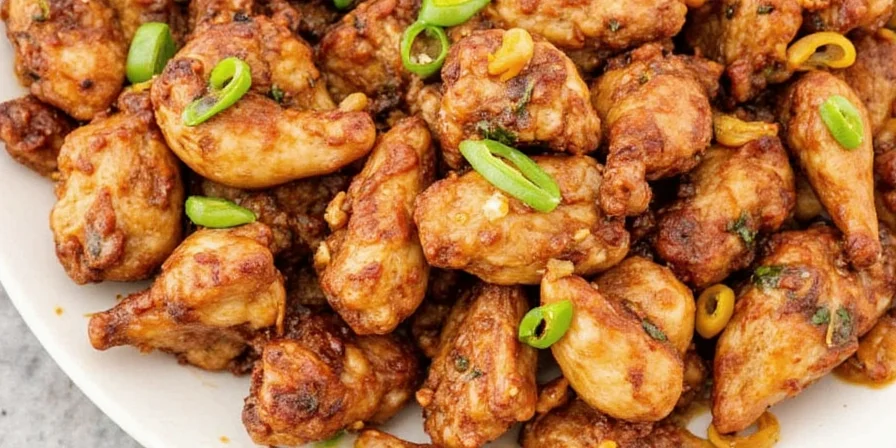
5 Thai Spices That Will Make Your Chicken Taste Like It’s From Bangkok
Welcome, spice enthusiasts and curious foodies! Today we're diving headfirst into the vibrant world of Thai spices for chicken. Whether you're a seasoned pro who can identify lemongrass from a mile away or someone who just discovered that galangal isn’t a sci-fi monster, this list is for you. So grab your mortar and pestle — it's time to level up your chicken game.
Table of Contents
- #1: Lemongrass – The Citrus Powerhouse
- #2: Galangal – Ginger’s Sophisticated Cousin
- #3: Kaffir Lime Leaves – A Fragrant Twist
- #4: Thai Bird’s Eye Chili – For Those Who Like It Hot
- #5: Coriander Root – The Secret Umami Bomb
- Bonus Tips: How to Use Thai Spices Like a Pro
- Spice Comparison Table
#1: Lemongrass – The Citrus Powerhouse
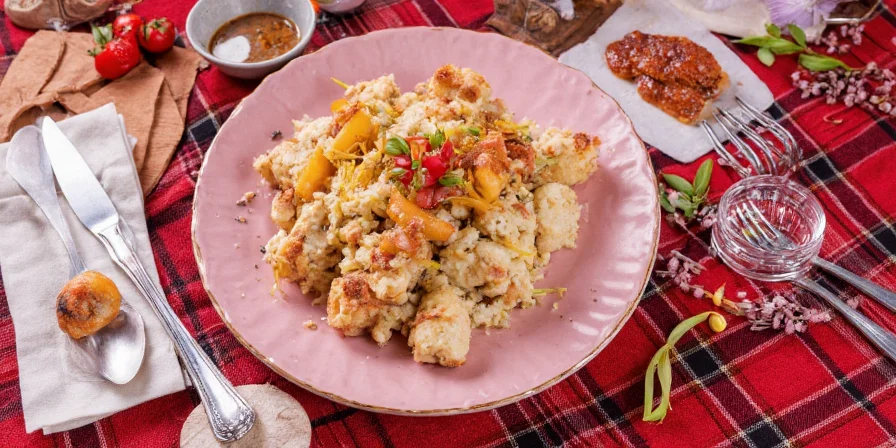
Lemongrass is like nature’s perfume with flavor. If you’ve ever bitten into it raw, you know it’s not exactly dinner-ready in its natural state, but once pounded or sliced thin, it releases an aromatic citrusy punch that’s essential in dishes like Tom Kha Gai (Thai coconut chicken soup).
- Taste: Bright, lemony, slightly floral
- Best for: Soups, curries, grilled chicken
- Pro Tip: Smash it before cooking to release more flavor. Don’t eat it directly—it’s fibrous!
#2: Galangal – Ginger’s Sophisticated Cousin
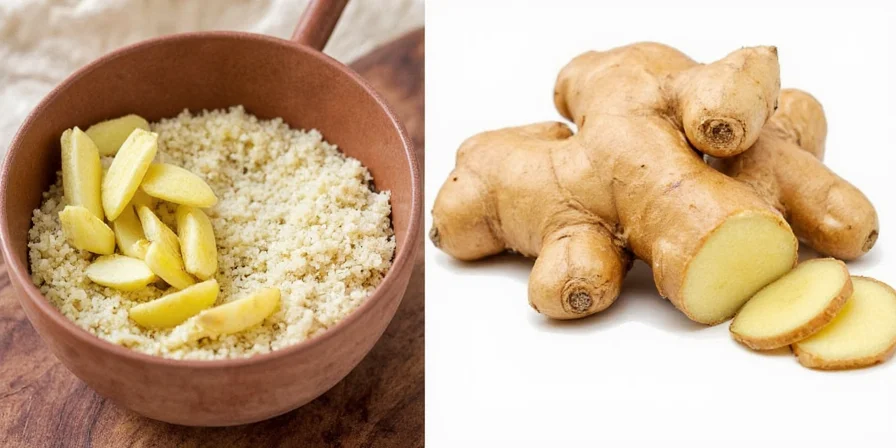
If ginger is your everyday friend, galangal is that stylish relative who shows up at family gatherings with a new car and a story about living in Bali. It’s got a cleaner, spicier flavor profile and plays well in soups and pastes.
- Taste: Woody, peppery, pine-like notes
- Best for: Tom Yum, curry pastes, marinades
- Pro Tip: Freeze extra slices for later use. It lasts longer than ginger when stored properly.
#3: Kaffir Lime Leaves – A Fragrant Twist
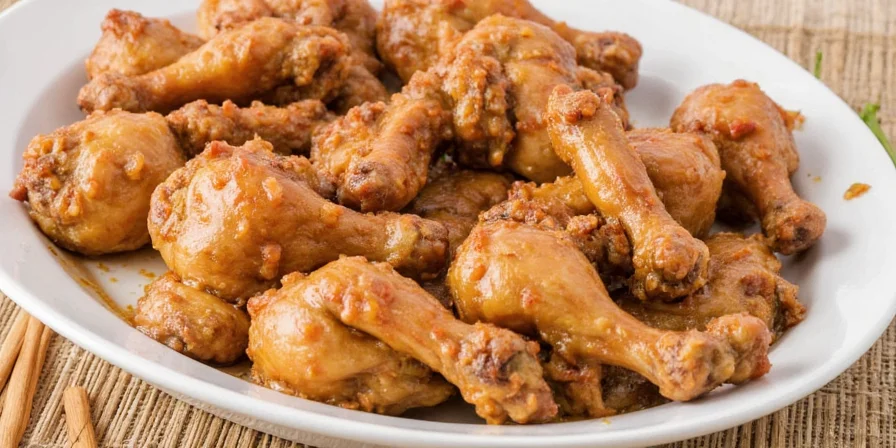
These glossy, double-lobed leaves are all about aroma. They don’t add juice or sweetness like regular limes; instead, they bring a powerful herbal-citrus scent that’s hard to replicate. Tear them before using to unlock their fragrance.
- Taste: Zesty, earthy, herbaceous
- Best for: Curries, broths, steamed dishes
- Pro Tip: Use whole leaves in soups and remove them before serving. You can also make infused oil with them!
#4: Thai Bird’s Eye Chili – For Those Who Like It Hot
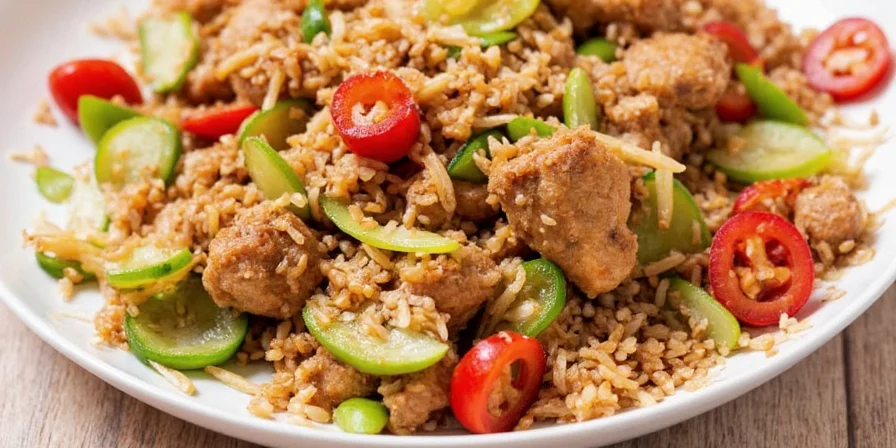
This little firecracker might be small, but it brings serious heat. Known locally as prik kee no, it’s a staple in Thai kitchens and gives dishes like green curry and som tam (green mango salad) their signature kick.
- Taste: Fiery, sharp, fruity undertones
- Best for: Salsas, stir-fries, chili pastes
- Pro Tip: Wear gloves when handling—trust us, your eyes will thank you later.
#5: Coriander Root – The Secret Umami Bomb
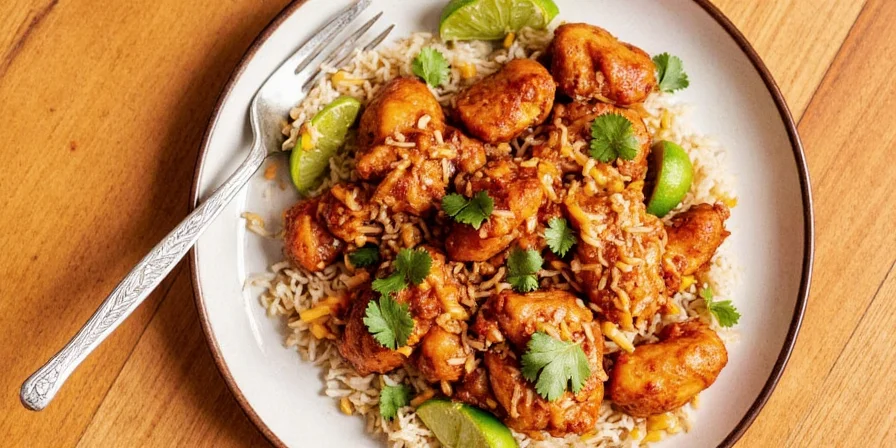
While most people know coriander as the leafy herb cilantro, the root is where the real magic lies in Thai cuisine. It has a stronger, more pungent, and almost onion-like flavor that adds depth to any dish.
- Taste: Earthy, savory, slightly peppery
- Best for: Curry pastes, marinades, braised dishes
- Pro Tip: Wash thoroughly and bruise with a mortar before pounding.
Bonus Tips: How to Use Thai Spices Like a Pro
Here are some practical hacks to help you get the most out of these spices:
- Pound it right: Traditional Thai cooking uses a mortar and pestle. It releases more oils and flavors than chopping or blending.
- Toast your spices: Toasting dried coriander seeds or peppercorns before grinding can deepen their flavor.
- Layer the aromatics: Start with garlic and shallots, then add harder spices like galangal and lemongrass early in cooking.
- Balance is key: Thai food thrives on balance — sweet, salty, sour, spicy, and umami. Don’t forget the fish sauce and palm sugar!
Spice Comparison Table
| Spice | Flavor Profile | Common Uses | Substitution Option |
|---|---|---|---|
| Lemongrass | Citrusy, floral | Soups, curries, marinades | Lemon zest + lemon verbena |
| Galangal | Piney, peppery | Tomyum, curry paste | Ginger (less authentic) |
| Kaffir Lime Leaves | Zesty, herbal | Curries, steamed dishes | Lemon zest + lime leaves |
| Bird’s Eye Chili | Hot, fruity | Salsas, pastes, stir-fries | Habanero or serrano peppers |
| Coriander Root | Earthy, savory | Marinades, pastes, braises | Fresh coriander stems + seeds |
Final Thoughts: Spice Up Your Life (and Chicken)
Thai cuisine is all about balance, boldness, and a deep respect for fresh ingredients. With just a handful of the right spices, you can transform ordinary chicken into something truly magical — without needing a plane ticket to Chiang Mai.
Whether you’re grilling, stewing, or sautéing, remember that the heart of Thai cooking lies in the harmony of flavors. And now that you've got the tools — and the knowledge — there’s no reason not to go wild with your next chicken dish.
So what are you waiting for? Go forth and spice boldly. Your taste buds will never forgive you if you don’t.




 浙公网安备
33010002000092号
浙公网安备
33010002000092号 浙B2-20120091-4