
5 Spicy Secrets of New Mexico State Food You Can’t Ignore (With a Side of Humor)
Table of Contents
- Introduction: Why New Mexico is the Spice Mecca of the Southwest
- Top 5 Iconic New Mexico State Foods
- Spice Chart: Red vs. Green Chile – The Great Debate
- Pro Tips: How to Handle New Mexico Chiles Like a Local
- Culture & Cuisine: More Than Just Heat
- Conclusion: Go Ahead, Get Spicy
Introduction: Why New Mexico is the Spice Mecca of the Southwest
New Mexico might be known for its desert landscapes and adobe architecture, but did you know it’s also home to some of the most iconic spiced dishes in the U.S.? If you're looking for culinary fire—literally—then you’ve come to the right place.
The heart of New Mexican cuisine beats strongest when red or green chile is involved. But beyond the heat, there’s a deep-rooted tradition that ties every dish to the land and its people. In this article, we’ll walk you through the must-try foods, spice profiles, and even how to avoid crying while chopping those legendary chiles (hint: don’t skip the onion trick).
Top 5 Iconic New Mexico State Foods
Let’s talk flavor. Here are five staple dishes that scream New Mexico, each with a unique twist on spice and soul:
- Green Chile Cheeseburger – A juicy burger smothered in roasted green chile and cheese. Because why choose between beef and fire when you can have both?
- Posole – A traditional hominy stew spiced up with red chile and served with all the fixings like cabbage, lime, and oregano.
- Chimichanga – Think of it as a deep-fried burrito with green chile sauce because sometimes, you need your spice with a crunch.
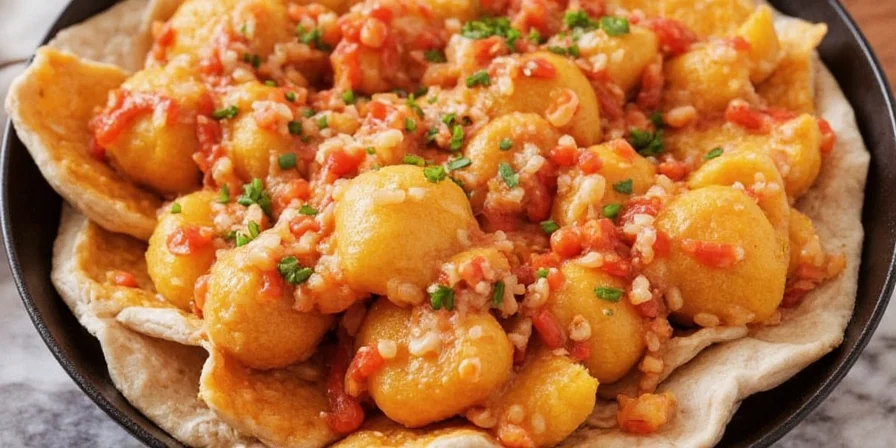
- Sopaipillas – Fluffy fried bread that doubles as a dessert (with honey) or a savory vehicle for red chile drizzle.
- Tamales – Corn masa stuffed with pork, chicken, or beans, wrapped in corn husks, and steamed to perfection. Often topped with green or red chile sauce depending on the season.
Spice Chart: Red vs. Green Chile – The Great Debate
In New Mexico, the age-old question isn't “paper or plastic?” It’s red or green? Both come from the same plant, Capsicum annuum, but they offer wildly different experiences. Let’s break it down:
| Feature | Red Chile | Green Chile |
|---|---|---|
| Maturity | Ripe, dried pods | Unripe, fresh pods |
| Flavor Profile | Smoky, earthy, slightly sweet | Grassy, bright, vegetal |
| Heat Level | Mild to medium (varies by cultivar) | Medium to hot |
| Common Use | Sauces, stews, enchiladas | Stuffed, grilled, roasted |
| Texture | Dense, meaty after rehydration | Crisp, firm skin with blistering potential |
Pro Tips: How to Handle New Mexico Chiles Like a Local
If you want to cook like a New Mexican, you gotta think like one. Here are five practical, spicy hacks to make your kitchen experience less tearful and more flavorful:
- Use Gloves, Always – Trust us, nothing says vacation fail like burning eyes during your Santa Fe getaway. Nitrile gloves work best to prevent capsaicin transfer.
- Roast Your Own – Store-bought is fine, but roasting your own chiles elevates flavor. Toss them over an open flame until blistered and blackened, then seal in a bag to steam before peeling.
- Don’t Skip the Vinegar in Salsas – Acid balances the heat. Try adding apple cider vinegar to your green chile salsa—it gives it a tangy punch that cuts through richness.
- Cool Down with Dairy – Milk, sour cream, or queso fresco? All valid. Capsaicin is fat-soluble, so water won’t help—but dairy will calm the burn.
- Label Your Spice Levels Clearly – Not everyone wants their tamale “on fire.” When hosting, label bowls of chile as mild, medium, or *“don’t say we didn’t warn you.”*
Culture & Cuisine: More Than Just Heat
New Mexico’s state foods aren’t just about spice—they’re a celebration of heritage, land, and community. Many dishes trace back centuries to Indigenous and Hispanic influences, blending old-world techniques with native ingredients.
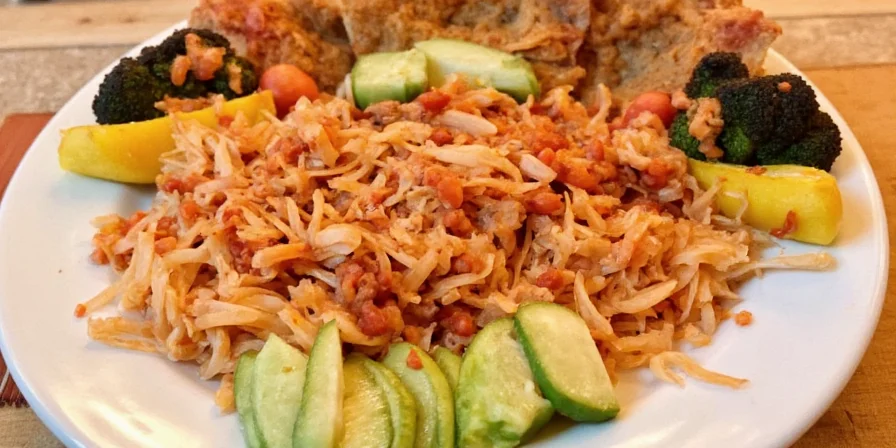
Festivals like the Hatch Chile Festival bring entire towns together to celebrate the harvest. Markets overflow with vendors selling everything from green chile ice cream (yes, really) to handmade tortillas. And the annual ritual of roasting chiles in parking lots across Albuquerque? That’s not a gimmick—it’s a tradition.
Conclusion: Go Ahead, Get Spicy
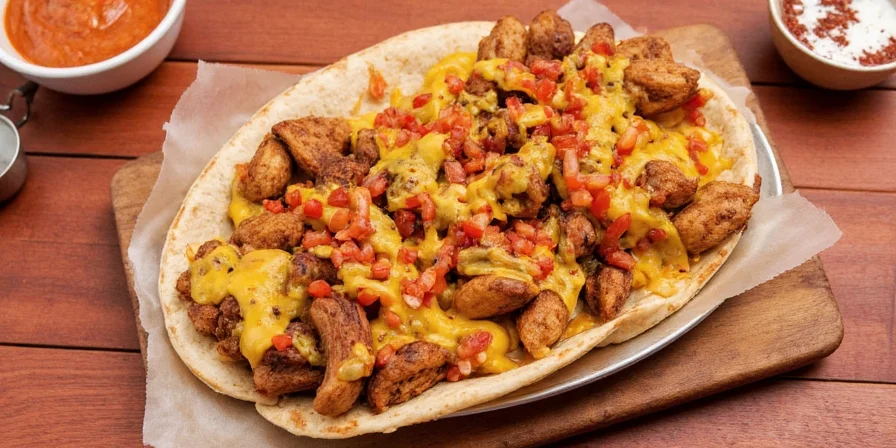
New Mexico may not be on every world spice map, but for those in the know, it’s a powerhouse of flavor and culture. Whether you prefer red or green, mild or wild, there’s something deeply satisfying about digging into a plate of perfectly spiced New Mexican comfort food.
So go ahead—embrace the heat. Your taste buds (and maybe your tears) will thank you later.




 浙公网安备
33010002000092号
浙公网安备
33010002000092号 浙B2-20120091-4