
10 Surprising Ways to Use Hawaiian Black Lava Salt (That’ll Spice Up Your Life)
Table of Contents
- Introduction
- What is Hawaiian Black Lava Salt?
- 5 Unique Benefits of Using Hawaiian Black Lava Salt
- Top 10 Creative Uses for Hawaiian Black Lava Salt
- Black Lava Salt vs. Regular Sea Salt: A Visual Comparison
- Pro Tips: How to Store and Use It Like a Chef
- Conclusion
A Little Black Magic in the Kitchen
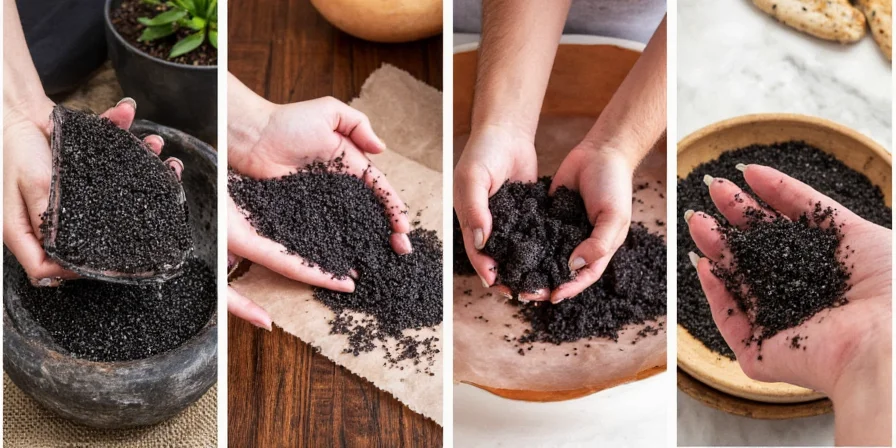
If you’re a spice lover who thinks salt is just salt, prepare to be schooled by Mother Nature herself. Enter Hawaiian Black Lava Salt, a volcanic marvel that’s more than just a fancy garnish. With its rich color, mineral-packed profile, and a flavor that dances between earthy and briny, this salt isn’t just about taste — it’s about experience.
What Exactly Is Hawaiian Black Lava Salt?
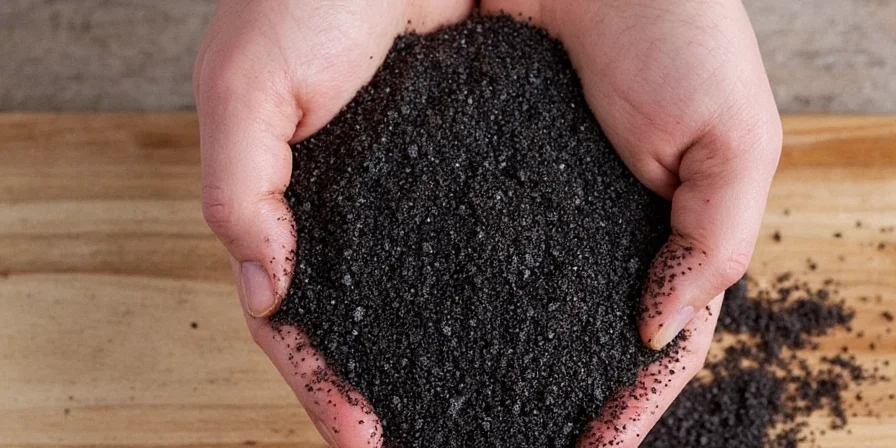
Unlike your run-of-the-mill table salt, Hawaiian Black Lava Salt is harvested from the Pacific Ocean and infused with activated charcoal from volcanic coconut shells. This gives it that striking obsidian hue and a texture that’s both flaky and coarse — perfect for adding crunch and complexity to any dish.
- Harvested from ocean water
- Contains trace minerals like magnesium, potassium, and calcium
- Activated charcoal adds natural detoxifying properties
- Unique smoky undertone thanks to the volcanic infusion
5 Unique Benefits You Didn’t Know About
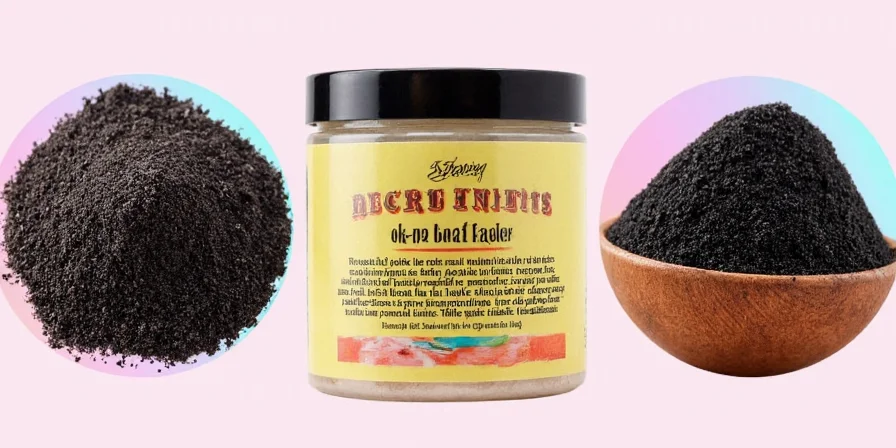
Beyond its aesthetic appeal, this salt offers more than just a pretty sprinkle:
- Natural Detoxifier: The activated charcoal helps bind toxins in the digestive tract.
- Mineral-Rich: Packed with essential electrolytes and trace minerals.
- Digestive Aid: Small amounts may help balance stomach pH levels.
- Flavor Enhancer: Its mild brininess can elevate seafood and grilled veggies effortlessly.
- Versatile for Cooking: Works as a finishing salt or a bold rub for meats and fish.
Top 10 Creative Uses That’ll Make You Rethink Salt Forever
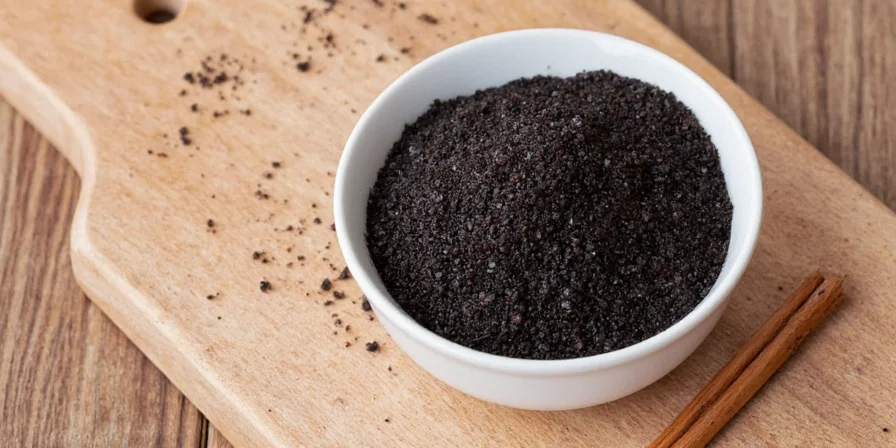
Say goodbye to boring seasoning routines. Here are some unexpected yet delicious ways to make the most of Hawaiian Black Lava Salt:
- Grilled Pineapple Sprinkle: Toss fresh pineapple slices on the grill and finish with a pinch of black lava salt. Smoky-sweet magic!
- Caramel Popcorn Upgrade: Drizzle melted butter and black lava salt over popcorn for a gourmet twist.
- Margarita Rim Reinvention: Swap lime juice for agave nectar and rim your cocktail glass with black salt for an edgy tequila fix.
- Dark Chocolate Dusting: Grind finely and dust over dark chocolate bark or truffles for a flavor contrast that shocks and delights.
- Pizza Finisher: After baking, sprinkle lightly over white pizzas or fig & prosciutto creations for dramatic flair.
- Fish Tacos Extraordinaire: Season cod before frying and add a final dash after plating for that seaside touch.
- Avocado Toast Revamp: Spread mashed avocado on sourdough and finish with cracked black lava salt for a brunch upgrade.
- Charcuterie Contrast: Use sparingly alongside soft cheeses like brie or camembert for an earthy balance.
- Ice Cream Surprise: Mix into homemade vanilla bean ice cream base or sprinkle on top before freezing.
- Smoked Brisket Rub: Combine with smoked paprika, garlic powder, and black pepper for a bold barbecue crust.

Black Lava Salt vs. Regular Sea Salt: A Visual Comparison
| Feature | Hawaiian Black Lava Salt | Regular Sea Salt |
|---|---|---|
| Color | Deep black | White to off-white |
| Texture | Coarse, flaky | Varies from fine to coarse |
| Origin | Hawaii, USA | Worldwide (Mediterranean, Australia, etc.) |
| Flavor Profile | Earthy, slightly smoky | Clean, salty |
| Common Use | Finishing, cocktails, gourmet dishes | Cooking, baking, everyday seasoning |
| Price Range | $8–$15 per oz | $1–$3 per oz |
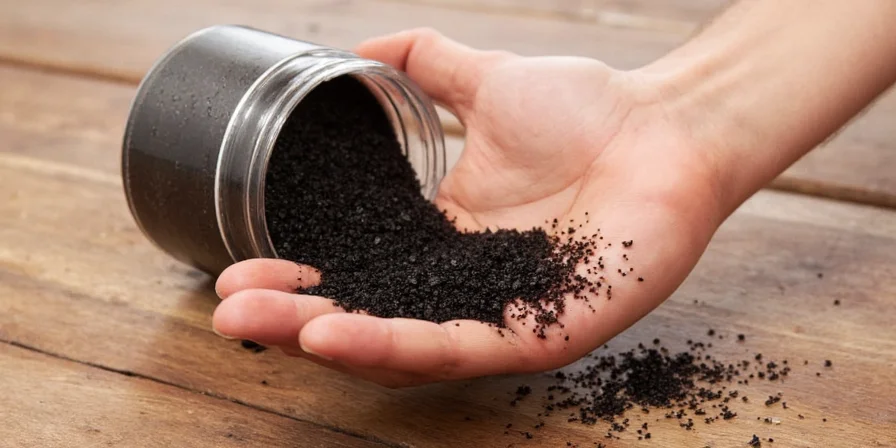
Pro Tips: How to Store and Use It Like a Chef
This isn’t your average kitchen staple — treat it right, and it’ll reward you with unforgettable flavor. Here's how:
- Airtight Always: Store in a sealed container away from moisture to maintain texture and prevent clumping.
- Keep It Dry: Humidity is the enemy. If your kitchen tends to get damp, toss in a packet of silica gel.
- Less Is More: Because of its intense appearance and slight bitterness, use sparingly unless going for a dramatic visual effect.
- Don’t Cook With It: Use only as a finishing salt — heat will dull its flavor and color.
- Gift-Ready Packaging: Pour into small glass jars with cork lids for a stunning handmade gift.
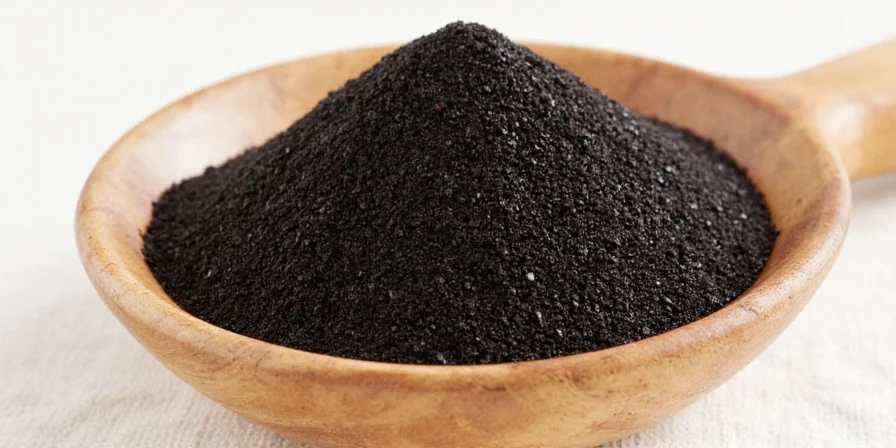
Conclusion: A Touch of Volcanic Magic
In a world full of salts, Hawaiian Black Lava Salt stands out not just for its looks, but for its depth of flavor and versatility. Whether you're grilling up dinner, shaking a cocktail, or just want to impress your friends at brunch, this exotic mineral wonder deserves a spot in your spice rack. So go ahead — embrace the dark side of salt, and let your culinary creativity erupt like a volcano!




 浙公网安备
33010002000092号
浙公网安备
33010002000092号 浙B2-20120091-4