
Table of Contents
- What Is Cascabel Chili Sauce?
- A Spicy History: The Origins of Cascabel Chilies
- Flavor Profile & Heat Level
- Top 10 Creative Uses for Cascabel Chili Sauce
- Buying Guide: Choosing the Best Cascabel Chili Sauce
- DIY Recipe: Make Your Own Cascabel Chili Sauce at Home
- Final Thoughts
What Is Cascabel Chili Sauce?
If you haven’t yet met the cascabel chili, let me introduce you. Known in Spanish as "chile cascabel," this small but mighty chili pepper has a rich, earthy flavor and just the right amount of heat. When dried, it rattles inside its skin — hence its name, which translates to "bell rattle."
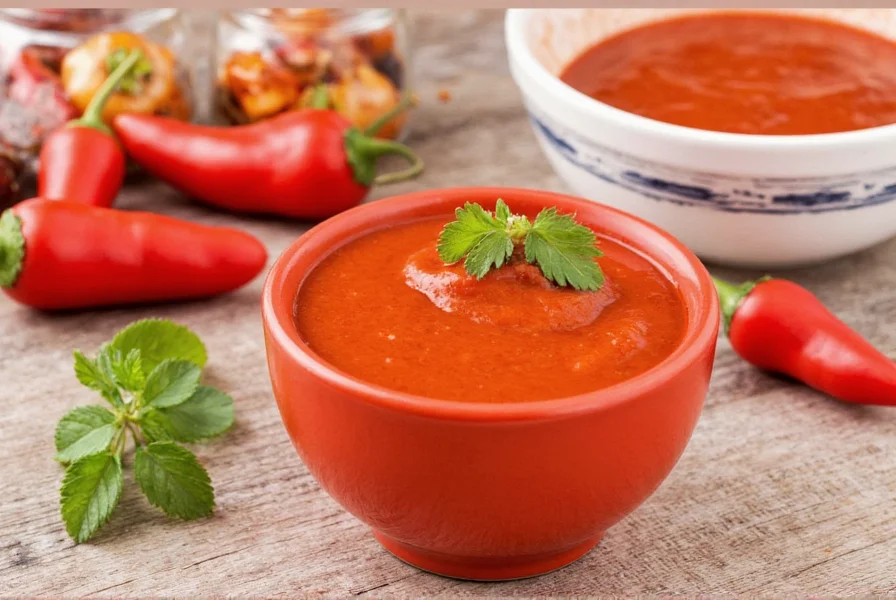
Cascabel chili sauce is made by rehydrating these peppers, then blending them with garlic, spices, and sometimes vinegar or oil to create a thick, smoky, and slightly nutty condiment. It’s popular in Mexican cuisine and is used in everything from marinades to sauces for tacos, soups, and even cocktails.
A Spicy History: The Origins of Cascabel Chilies
The cascabel chili has roots deep in Mexican soil — literally. Used since pre-Hispanic times, it was valued not only for its bold flavor but also for its medicinal properties. Indigenous peoples would use it to treat digestive issues and even as a topical pain reliever.
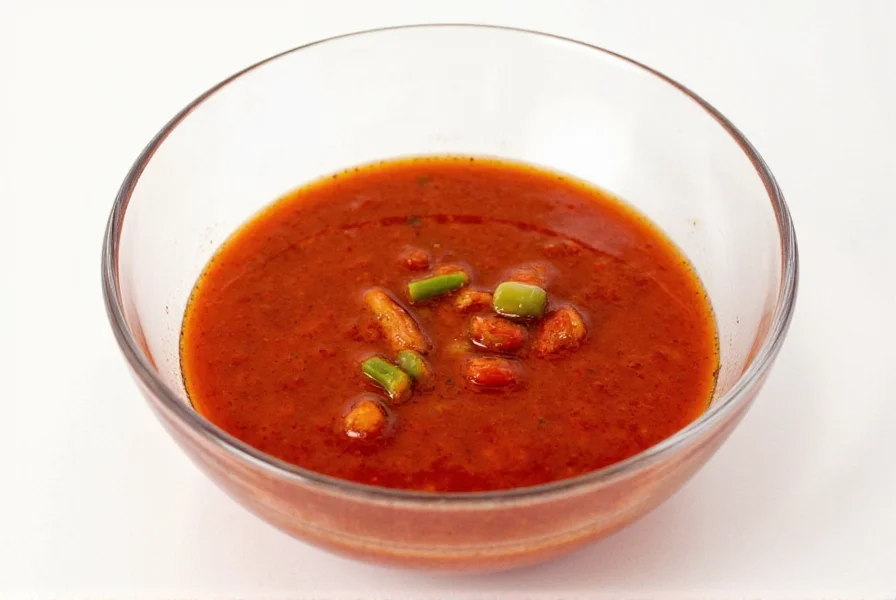
Today, the cascabel pepper thrives in central Mexico, especially in the states of Michoacán and Guanajuato. While it doesn't pack the same punch as a habanero or ghost pepper, its flavor complexity more than makes up for its relatively low Scoville unit count (usually around 1,000–3,000 SHU).
Flavor Profile & Heat Level
So what makes cascabel chili sauce stand out from other hot sauces? Let’s break it down:
| Feature | Description |
|---|---|
| Heat Level | Mild to moderate (1,000–3,000 SHU) |
| Flavor Notes | Nutty, smoky, slightly fruity, toasted cocoa undertones |
| Texture | Smooth and slightly thick |
| Best Pairings | Meat, eggs, rice, avocado toast, tacos al pastor |
Top 10 Creative Uses for Cascabel Chili Sauce
If you think chili sauce is just for pouring over your tacos, think again! Here are 10 unexpected ways to make this spicy gem work double duty in your kitchen:
- 1. Tacos, of Course! Drizzle over grilled chicken or carnitas for a warm, earthy kick.
- 2. Egg Enhancer Stir into scrambled eggs or add a few drops to your next shakshuka for a subtle depth of flavor.
- 3. Cocktail Magic Add a splash to Bloody Marys or micheladas for a layered, spicy twist.
- 4. Marinade Base Mix with olive oil, lime juice, and cumin to marinate beef or tofu before grilling.
- 5. Dipping Sauce Supreme Combine with mayo or sour cream to create a dreamy dip for fries or taquitos.
- 6. Soup Secret Weapon A spoonful stirred into tomato soup or black bean soup elevates the entire dish.
- 7. Pizza Perfection Swap out regular hot sauce for cascabel on pizza with chorizo, goat cheese, or roasted veggies.
- 8. Pasta Party Toss with spaghetti, garlic, and Parmesan for an easy, fiery pasta dish.
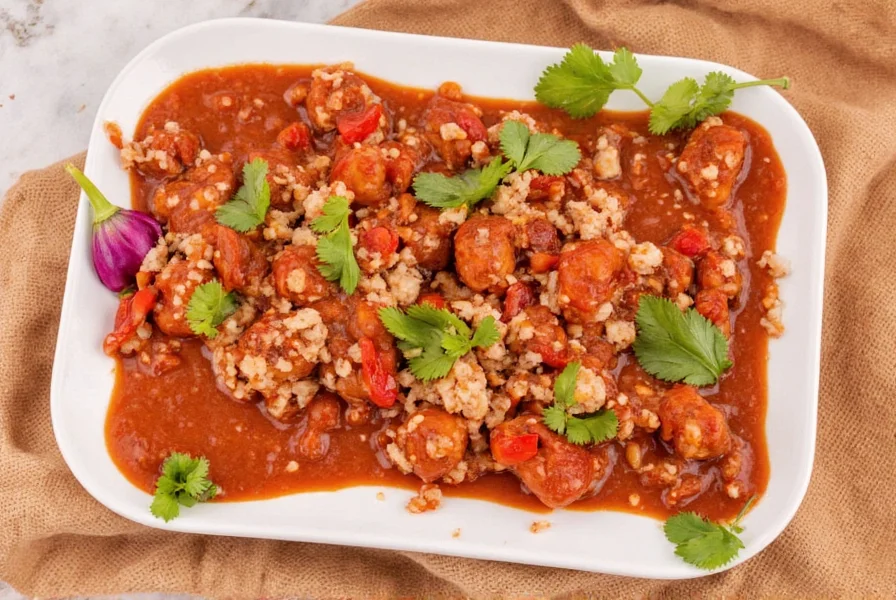
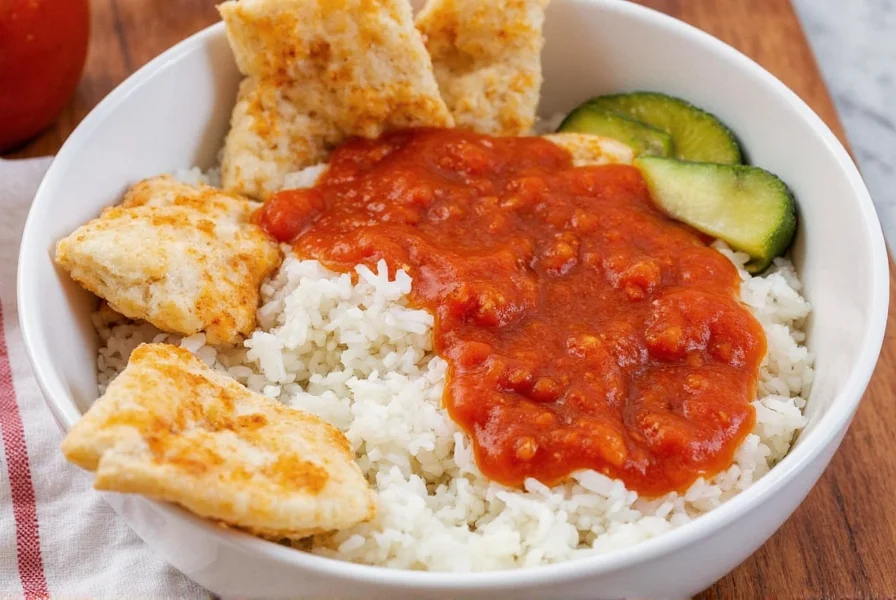
- 9. Rice Revolution Stir into cooked rice for a mild spice boost and gorgeous color.
- 10. Chocolate Companion Believe it or not, cascabel pairs beautifully with dark chocolate. Try adding a drop to brownie batter or a mole-inspired dessert sauce.
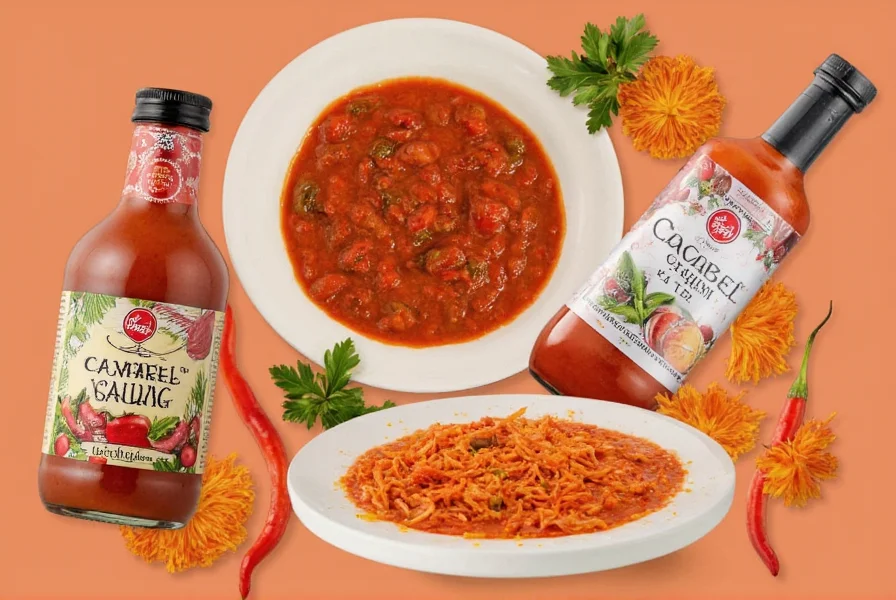
Buying Guide: Choosing the Best Cascabel Chili Sauce
Whether you’re shopping at your local supermarket or browsing online, here are some tips to find a high-quality cascabel chili sauce that delivers both flavor and authenticity:
Things to Look For
- Natural Ingredients: Avoid sauces with artificial preservatives or sweeteners. Look for simple ingredient lists like chili, water, salt, garlic, vinegar, and maybe a touch of oil.
- Balanced Flavor: You should taste the richness of the cascabel first, followed by a mild heat that builds gently.
- Texture: A quality sauce should be smooth without being overly runny or pasty.
Top Brands Compared
| Brand | Ingredients | Heat Level | Best For | Price Range |
|---|---|---|---|---|
| Tierra Vegetal | Dried cascabel chilies, vinegar, garlic, salt | Mild | Purists who love clean flavor profiles | $7–$9/8 oz |
| La Costeña | Chilies, water, vinegar, salt, natural flavoring | Moderate | Everyday cooking and general use | $3–$5/7 oz |
| Salsa Real | Cascabel, olive oil, garlic, spices | Mild to medium | Rice dishes, dips, and drizzles | $5–$7/8 oz |
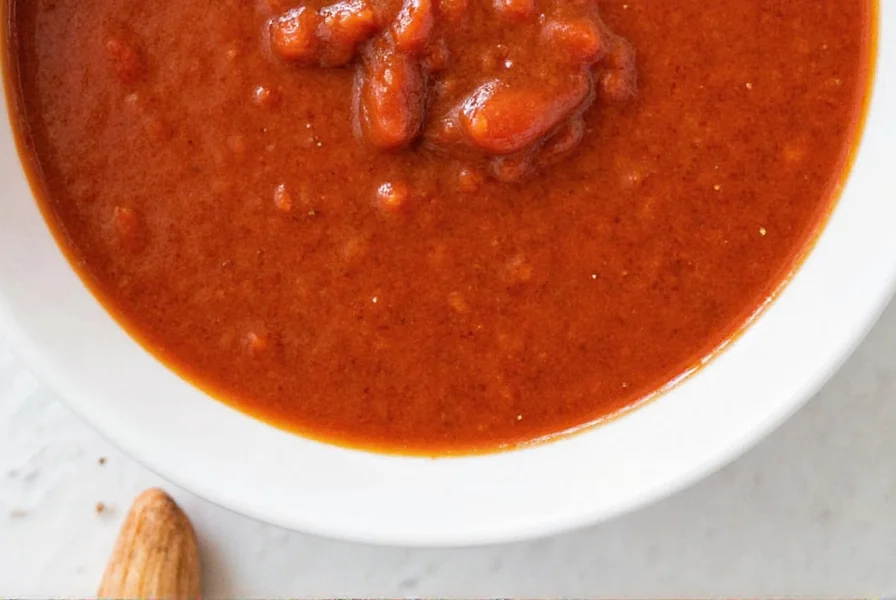
DIY Recipe: Make Your Own Cascabel Chili Sauce at Home
If you're feeling adventurous (and have access to dried cascabel chilies), why not try making your own? Here's a quick and easy recipe:
Homemade Cascabel Chili Sauce
- 5 dried cascabel chilies, stemmed and seeded
- 2 cloves garlic, peeled
- 1 cup water (or broth for extra flavor)
- 1 tbsp white vinegar
- 1 tsp salt
- Optional: 1 tbsp olive oil for smoother texture
Instructions:
- Rinse the dried chilies under warm water and soak them in hot water for 20 minutes to soften.
- Drain and place in a blender with garlic, water, vinegar, and salt.
- Blend until smooth. Add oil if you want a silkier texture.
- Strain through a fine mesh sieve for a restaurant-grade finish (optional).
- Store in an airtight container in the fridge for up to 2 weeks, or freeze for longer shelf life.
Final Thoughts
Cascabel chili sauce may not be the hottest player in the spice game, but it definitely brings the flavor. Whether you buy it off the shelf or whip it up yourself, it’s a versatile condiment that can enhance everything from breakfast to desserts.
Ready to spice things up? Grab a bottle (or make your own!) and let the warmth of cascabel transform your meals. After all, life’s too short for bland food — embrace the rattle!




 浙公网安备
33010002000092号
浙公网安备
33010002000092号 浙B2-20120091-4